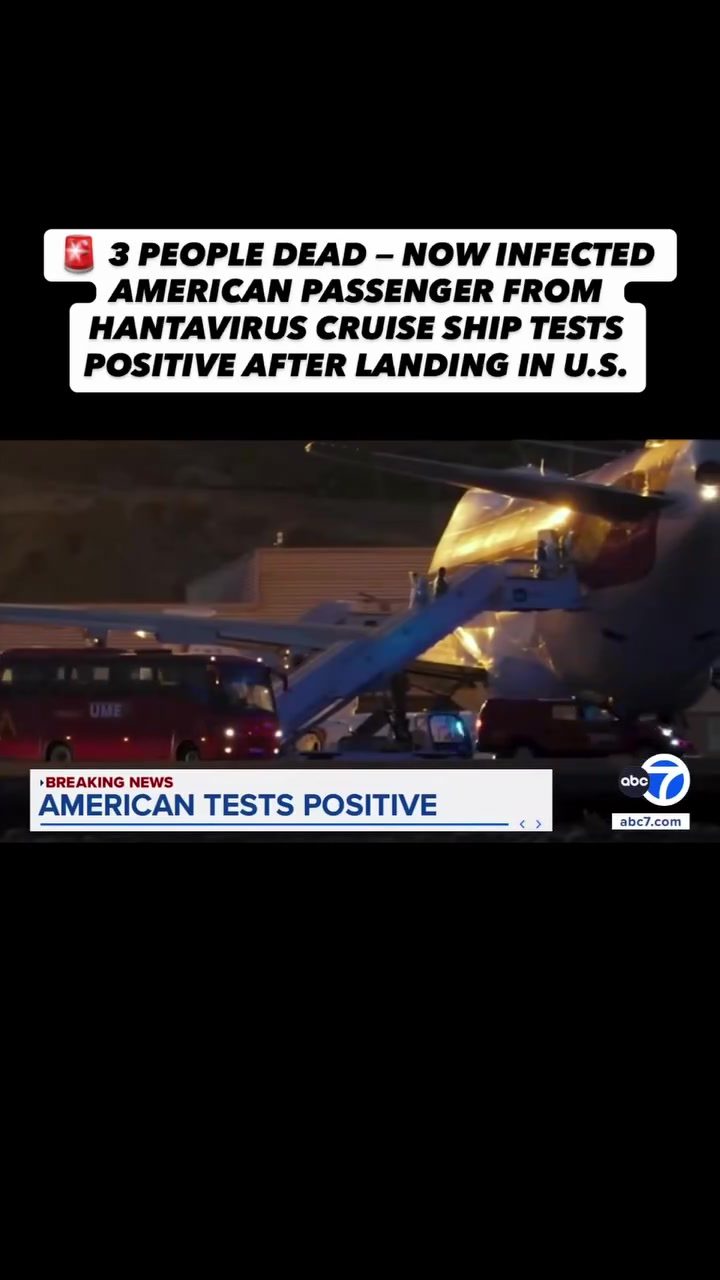
Hantavirus Outbreak: Cruise Ship Passenger Tests Positive After Landing in the U.S.
Health officials have confirmed that one American passenger from a Hantavirus-hit cruise ship has tested positive for the virus upon landing in the U.S. This development comes as a second passenger displays mild symptoms, raising concerns and prompting closer monitoring by health authorities. The situation unfolds as part of a broader outbreak that has already claimed the lives of three individuals.
Context: Hantavirus and Cruise Ship Outbreak
The outbreak began on a luxury cruise ship, where three people, including a 70-year-old Dutch national, have died from the virus. Health experts have confirmed that 17 American passengers and one British national are at the center of this surge. As they return to the U.S., health officials have implemented stringent quarantine protocols to manage the potential spread of the virus.
Main Discussion
Current Status and Quarantine Measures
Upon arrival in Nebraska, the passengers were divided into different isolation units. The individual who tested positive for Hantavirus does not exhibit any symptoms, but the second passenger, showing signs of illness, has been isolated from the rest. All 17 passengers will remain under quarantine and be monitored closely for any signs of the virus.
Transmission and Public Health Concerns
Health experts have emphasized that Andes Hantavirus, the strain involved in this outbreak, is difficult to transmit from person to person. The virus primarily spreads through close contact, which reduces the risk of widespread infection. However, officials acknowledge that clusters of infections have been observed, and the exact regions where the first cases were contracted remain unclear.
Growing Concerns and CDC Response
The outbreak has raised questions about the Center for Disease Control and Prevention's (CDC) ability to manage the situation effectively. Concerns have been exacerbated by the recent leadership changes within the CDC. President Trump withdrew the U.S. from the World Health Organization (WHO) and laid off approximately 2,400 CDC workers. Over the past year, the agency has seen three interim directors, adding to the chaos.
These events have prompted growing questions about whether the CDC can effectively manage the outbreak. The agency's acting director has been pushing back on these concerns, insisting that the CDC is in touch with international health organizations, including the WHO, to handle the situation appropriately.
Practical Tips for Travelers and the General Public
Travelers and the general public should remain vigilant and informed about the outbreak, even though the risk of widespread transmission is low.
- Stay Informed: Keep up with updates from reliable sources such as the CDC and trusted news outlets.
- Practice Good Hygiene: Maintain good hygiene practices, including frequent handwashing, to reduce the risk of any viral infections.
- Avoid Close Contact: Avoid close contact with individuals who may have been exposed to the virus, especially in high-risk areas.
- Monitor Symptoms: Be aware of the symptoms of Hantavirus, which can include fever, aches, and nausea. If you experience these symptoms and have been in a high-risk area, seek medical attention immediately.
Important Takeaways
- Outbreak Origin: The outbreak originated on a luxury cruise ship, with three fatalities and multiple infections.
- Quarantine Measures: Passengers are being isolated and monitored to prevent further spread.
- Transmission Risk: Andes Hantavirus is difficult to transmit from person to person, but clusters of infections have been observed.
- Public Health Response: The CDC is under scrutiny due to recent leadership changes and budget cuts, raising questions about its ability to manage the outbreak effectively.
Conclusion
The Hantavirus outbreak on a cruise ship has brought the virus closer to home, with an infected passenger testing positive upon landing in the U.S. The situation underscores the importance of vigilance and effective public health measures. As health officials continue to monitor the outbreak and implement quarantine protocols, it is crucial for the public to stay informed and follow recommended safety guidelines. This outbreak highlights the need for robust public health infrastructure and international cooperation in managing viral outbreaks.
Questions readers ask
What is Hantavirus and how is it spread?
Hantavirus is a family of viruses that can cause potentially life-threatening diseases in humans. It is primarily spread through contact with infected rodents, their urine, or droppings, and not typically from person to person. The virus can become airborne when these materials are disturbed, making inhalation a common route of transmission.
What are the symptoms of Hantavirus infection?
Symptoms of Hantavirus infection can vary but often include fever, muscle aches, chills, and fatigue. In severe cases, it can progress to Hantavirus Pulmonary Syndrome (HPS), which causes fluid in the lungs, leading to respiratory distress and potential death. It is crucial to seek immediate medical attention if these symptoms arise, especially for those who may have been exposed.
What measures are being taken to contain the outbreak on the cruise ship?
In response to the outbreak, 17 American passengers and one British national have been placed under quarantine for monitoring. Health officials are closely observing those who have shown symptoms and those who tested positive to prevent further spread. Passengers are being assessed for any signs of infection, and health authorities are enforcing strict protocols for cleanliness and isolation.
How can cruise passengers protect themselves from Hantavirus?
To protect themselves, passengers are advised to avoid contact with rodents and their waste. Regularly washing hands, using disinfectants, and ensuring food and water are properly stored and sealed while on board can also help reduce the risk. Passengers should report any signs of rodent infestations or unusual symptoms to the ship's health authorities immediately.
What guidelines does the CDC provide for cruise ship passengers regarding Hantavirus?
The CDC recommends that cruise ship passengers be aware of the risks associated with Hantavirus and other health threats. They advise maintaining good hygiene, avoiding contact with rodents, and staying informed about health notices and precautions announced by health officials. Passengers should also follow the ship's protocols for reporting health concerns and comply with any quarantine or monitoring instructions.
What should passengers do if they experience symptoms after disembarking?
If passengers experience symptoms such as fever, muscle aches, or respiratory difficulties after disembarking, they should immediately contact a healthcare professional and inform them of their recent travel and potential exposure to Hantavirus. Self-isolation and close monitoring are essential to prevent the spread of the virus to others.
What are the challenges in containing a Hantavirus outbreak on a cruise ship?
Containing a Hantavirus outbreak on a cruise ship presents unique challenges due to the close quarters and the high number of passengers. The virus can spread rapidly if proper hygiene measures are not followed, and the confined space makes monitoring and isolating infected individuals difficult. Ensuring that all passengers are aware of the risks and adhering to health protocols is crucial for effective containment.
Related deep dives
Similar reads based on topic and creator.




Recent articles
Fresh deep dives from the latest Reels we unpacked.




Comments
Be the first to comment.