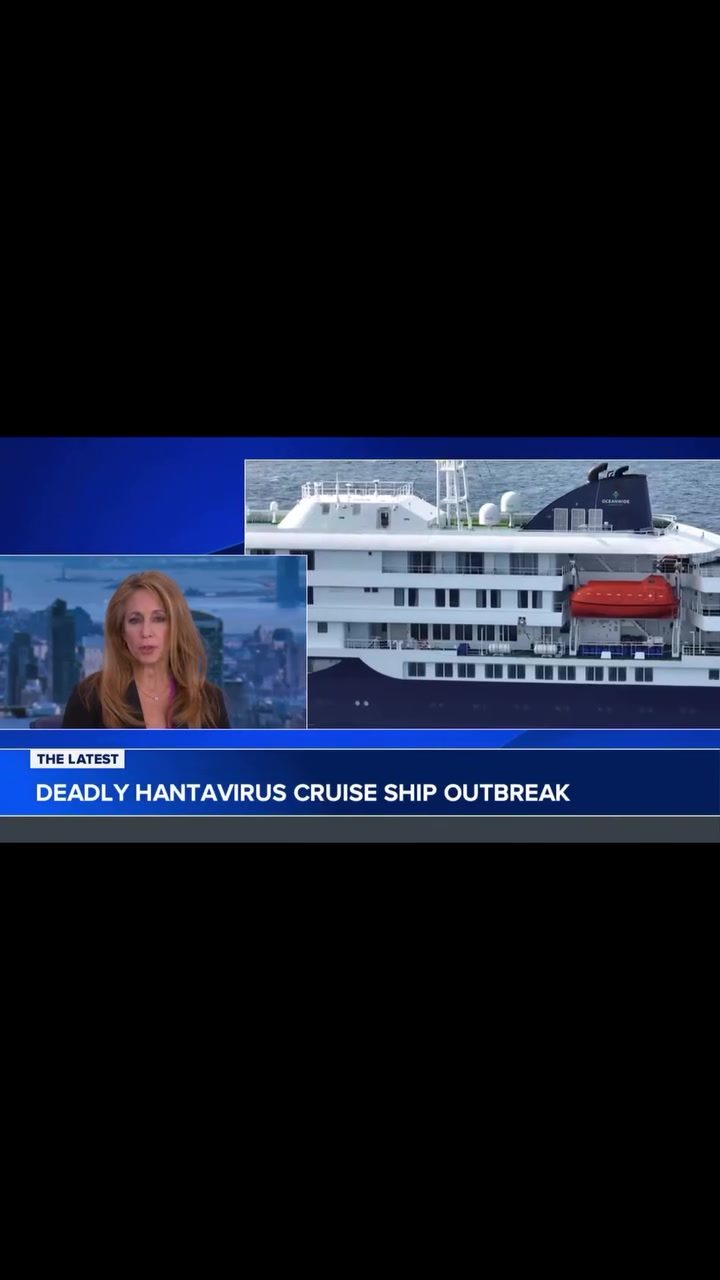
Hantavirus Cruise Ship Outbreak: What to Know
The MV Hondius, a luxury cruise ship, has been under intense scrutiny after a Hantavirus outbreak. This situation has raised significant concerns, particularly because two New Jersey residents who were never on the ship are now being monitored for potential exposure. The virus has claimed three lives, and the ongoing developments have put a spotlight on the handling of the outbreak, especially concerning contact tracing and international travel.
Context
Why this matters
Hantavirus is a virus that is not as easily transmitted as some other viruses. This outbreak has raised important questions about how quickly and effectively contact tracing can be initiated, especially in the context of international travel and cruise ships. The situation underscores the importance of early detection, medical preparedness, and public health measures.
Main Discussion
The Outbreak and Initial Response
The MV Hondius cruise ship, with 140 people still on board, is expected to arrive in the Canary Islands over the weekend. Spanish authorities are preparing medical evacuations and ensuring that there will be no contact with the island’s residents as passengers disembark. This precautionary measure is in response to the confirmed deaths and the potential for further spread.
Contact Tracing Challenges
One of the most concerning aspects of this outbreak is the delay in initiating contact tracing. About 30 passengers from various destinations, including the U.S., had already left the ship before contact tracing began. This delay has led to the monitoring of seven people across five states, from California to Virginia, with no symptoms reported so far. The exposure of two New Jersey residents during international air travel further complicates the situation, highlighting the global reach of the outbreak.
Public Health Measures and Monitoring
The CDC has classified this outbreak as a Level 3 emergency response, indicating that while the risk to the general public remains low, the situation is being closely monitored. Officials have emphasized that Hantavirus does not spread as easily as viruses like COVID-19, which can transmit even when symptoms are not present. This distinction is crucial for understanding the scope and containment measures of the outbreak.
Global and Local Reactions
Spanish authorities are taking proactive steps to manage the situation. They have reiterated that there will be no contact with passengers as they disembark and are preparing a medical evacuation and repatriation process for all passengers, except those with medical conditions that prevent travel. The U.S. government is also prepared to send a plane for the 17 American passengers still on the ship.
Local protests in the Canary Islands add another layer of complexity to the situation. Residents are voicing their concerns about potential exposure, reflecting the broader public anxiety surrounding the outbreak.
Practical Tips
For Travelers
If you are a traveler, especially on cruise ships, it’s crucial to stay informed about any outbreaks and follow the guidelines provided by health authorities. Ensure you have travel insurance that covers medical emergencies and follow any quarantine or testing requirements upon return.
For Public Health Authorities
Public health authorities should prioritize early contact tracing and ensure that all passengers are informed and monitored as soon as possible. Enhanced communication with international health bodies and local authorities is essential to prevent the spread and manage public concerns effectively.
For Cruise Ship Operators
Cruise ship operators must have robust protocols in place for handling health emergencies. This includes rapid testing, isolation procedures, and clear communication with passengers and authorities. Ensuring that passengers are aware of the risks and procedures can help mitigate panic and ensure a smoother response.
Important Takeaways
The Significance of Early Detection
The delay in contact tracing highlights the importance of early detection and intervention. Had contact tracing started earlier, the situation could have been more contained, reducing the need for widespread monitoring and potential exposure.
The Role of International Cooperation
International cooperation is vital in managing outbreaks that span multiple countries. Effective communication and coordination between health authorities can help contain the virus and manage public health risks more efficiently.
Public Health Preparedness
Public health measures, such as medical evacuations, repatriation processes, and following CDC guidelines, are essential in managing outbreaks. Ensuring that these measures are in place and communicated clearly to the public can help manage public anxiety and ensure a more effective response.
The Need for Public Awareness
Public awareness and understanding of the virus and its transmission methods are crucial. While Hantavirus does not spread as easily as other viruses, understanding its risks and prevention measures can help manage the situation more effectively.
Conclusion
The Hantavirus outbreak on the MV Hondius cruise ship underscores the complexities of managing health emergencies, especially in the context of international travel. The situation highlights the importance of early detection, public health measures, and international cooperation. As the situation develops, it will be crucial to follow the guidelines provided by health authorities and stay informed about any updates or changes in the outbreak's status.
Questions readers ask
What is Hantavirus and how is it transmitted?
Hantavirus is a family of viruses that are primarily spread through contact with infected rodents, their urine, or their droppings. It is not typically transmitted between humans, making the outbreak on the MV Hondius particularly noteworthy. The virus can cause serious illnesses, including Hantavirus Pulmonary Syndrome (HPS) and Hemorrhagic Fever with Renal Syndrome (HFRS).
Why are New Jersey residents being monitored if they were not on the cruise ship?
The monitoring of New Jersey residents who were not on the cruise ship highlights the complexities of contact tracing, especially when dealing with international travel. These individuals may have had indirect contact with someone who was on the ship, or there may be concerns about potential exposure through shared environments.
What measures are being taken to prevent the spread of Hantavirus on cruise ships?
Preventive measures include thorough cleaning and disinfection of areas where rodents may have been present, as well as implementing strict health protocols for passengers and crew. Monitoring for symptoms and providing necessary medical support is crucial. Passengers should also report any potential exposures or symptoms to the cruise ship staff immediately.
What are the symptoms of Hantavirus and how soon do they appear?
Symptoms of Hantavirus can include fever, fatigue, muscle aches, and headaches. In severe cases, it can lead to respiratory failure, and symptoms typically appear 1-8 weeks after exposure. The severity of symptoms can vary, but early detection and medical intervention are essential for better outcomes.
How is contact tracing handled in an international setting like a cruise ship?
Contact tracing on a cruise ship involves identifying and monitoring all passengers and crew who may have been exposed to the virus. This includes those who were in close proximity to infected individuals, as well as those who handled or were in the vicinity of potentially contaminated materials. The process is complex due to the international nature of the passengers and the need for coordination among different health authorities.
What kind of medical support is available for those being monitored for Hantavirus?
Individuals being monitored for Hantavirus typically receive medical support that includes regular check-ups, symptom monitoring, and in some cases, isolation to prevent potential spread. Healthcare professionals provide guidance on managing symptoms and when to seek further medical attention. The goal is to ensure that any signs of infection are promptly identified and treated.
Where can I find the latest updates on the Hantavirus outbreak on the cruise ship?
For the latest updates, you can refer to official health agency websites, such as the CDC or WHO, as well as news outlets that provide reliable and timely information. Cruise line announcements and public health advisories are also valuable sources for current information and any changes in travel advisories or safety protocols.
Related deep dives
Similar reads based on topic and creator.




Recent articles
Fresh deep dives from the latest Reels we unpacked.




Comments
Be the first to comment.