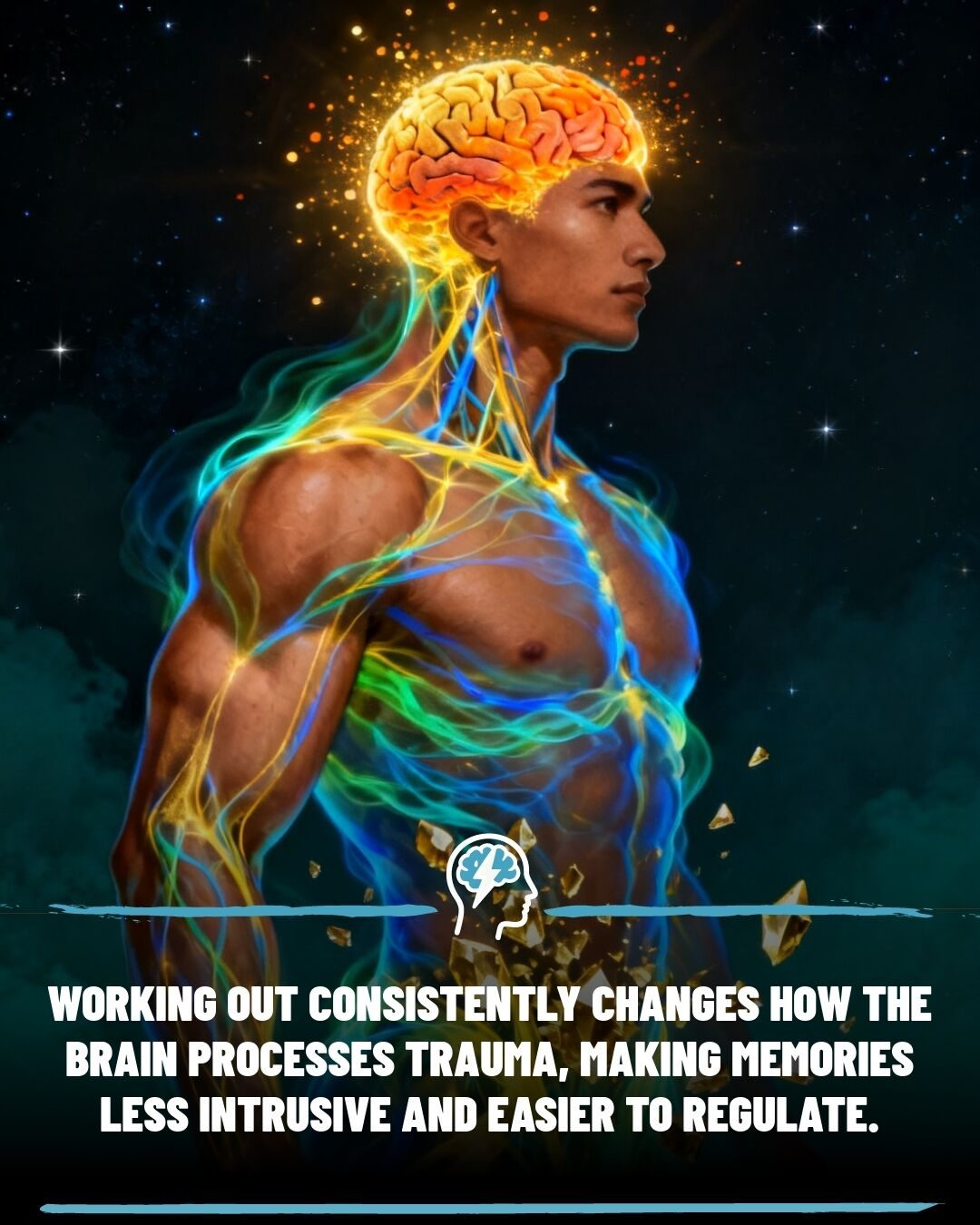
Brain Health and Exercise
Exercise has long been recognized as a cornerstone of physical fitness, but its benefits extend far beyond the visible. Regular physical activity can significantly improve brain health, particularly in processing trauma and regulating memories. This article explores how consistent exercise can impact brain function, offering insights into the biological and systemic changes that occur.
Why This Matters
Understanding the connection between exercise and brain health can provide valuable insights for anyone looking to enhance their mental well-being. Exercising consistently can trigger changes in the brain that make it more resilient to stress and trauma, reducing the severity of symptoms associated with mental health disorders.
Main Discussion
The Role of the Infralimbic Cortex
One of the key regions affected by exercise is the infralimbic cortex. This part of the brain plays a crucial role in regulating stress responses. Regular physical activity appears to strengthen this area, making the brain more resilient to stress and trauma. This biological strengthening can literally rewire how the brain handles difficult experiences, making memories less intrusive and easier to regulate.
Impact on PTSD Symptoms
Multiple randomized controlled trials have demonstrated that aerobic exercise can significantly reduce the severity of PTSD symptoms. This is particularly compelling given that exercise can be as effective as psychotherapy and medication for treating major depressive disorder and PTSD. The evidence suggests that exercise triggers a cascade of systemic changes that contribute to improved mental health outcomes.
Systemic Changes Triggered by Exercise
Exercise affects not just the brain but the entire body. It can reduce inflammatory markers, improve immune function, and alter how the adrenal glands respond to stress. These systemic changes can have a profound impact on mental health. For instance, reducing inflammation can help alleviate symptoms of depression and anxiety.
While exercise supports mental health, it is important to note that it should not replace professional care. Results vary significantly between individuals, and what works for one person may not work for another. It is essential to work with a qualified healthcare provider when managing mental health conditions.
Practical Tips
Incorporating Exercise into Daily Routine
To reap the benefits of exercise for brain health, consistency is key. Aim for at least 30 minutes of moderate aerobic exercise most days of the week. This could include activities like brisk walking, swimming, running, or cycling. The key is to find something you enjoy and can stick with over the long term.
Combining Exercise with Other Wellness Practices
Exercise is just one piece of the puzzle. For optimal mental health, combine regular physical activity with other wellness practices such as a balanced diet, adequate sleep, and stress management techniques. This holistic approach can amplify the benefits and provide a more comprehensive path to wellness.
Important Takeaways
Consistent exercise can significantly enhance brain health by strengthening the infralimbic cortex, reducing stress, and improving overall mental well-being. While exercise can be a powerful tool in managing mental health, it should be part of a broader wellness strategy that includes professional care.
Conclusion
Movement is indeed medicine, particularly when it comes to brain health and mental well-being. Regular exercise can have profound effects on how the brain processes trauma and handles stress. By understanding and leveraging these benefits, you can incorporate exercise into a holistic approach to wellness, helping to improve mental health outcomes and overall quality of life.
Questions readers ask
How does exercise act as a form of therapy for stress management?
Exercise triggers the release of endorphins, which are natural mood lifters. It also helps regulate the body's stress hormones, such as cortisol and adrenaline. Regular physical activity can make stress responses more manageable, contributing to a sense of calm and well-being. Even short bouts of exercise can provide immediate stress relief and long-term benefits for stress management.
What role does exercise play in helping individuals process trauma?
Exercise can aid in processing trauma by reducing symptoms of post-traumatic stress disorder (PTSD). Regular physical activity promotes neurogenesis and helps regulate certain brain structures, such as the amygdala and prefrontal cortex, which are involved in emotional regulation and memory consolidation. This can make traumatic memories more manageable and less intrusive.
Can exercise improve memory management?
Yes, regular exercise can enhance memory management. Physical activity increases blood flow and oxygen to the brain, which supports the growth of new brain cells and improves overall cognitive function. It also helps regulate neurotransmitters, making it easier to process and store memories, and reducing the impact of traumatic memories.
What specific mental health benefits can be gained from regular exercise?
Regular exercise can lead to a reduction in symptoms of depression, anxiety, and PTSD. It also promotes better sleep, improves mood, and boosts self-esteem. These improvements are due to the release of endorphins, the regulation of stress hormones, and the changes in the brain's structure and function that occur with regular physical activity.
How can a gym routine be tailored for mental health improvement?
A gym routine tailored for mental health should include a mix of aerobic exercises, strength training, and stretching. It's important to find activities you enjoy, as consistency is key. Aim for at least 150 minutes of moderate-intensity or 75 minutes of vigorous-intensity aerobic activity per week, along with strength training exercises at least 2 days a week. Always consult with a healthcare provider before starting a new exercise routine, especially if you have any health concerns.
What are some immediate benefits of exercise for brain function?
Immediate benefits of exercise for brain function include improved mood, reduced anxiety, and increased focus and concentration. Physical activity boosts blood flow and oxygen to the brain, which helps enhance cognitive performance and mental clarity. These immediate benefits can provide motivation to maintain a regular exercise routine for long-term mental health gains.
Recent articles
Fresh deep dives from the latest Reels we unpacked.




Comments
Be the first to comment.