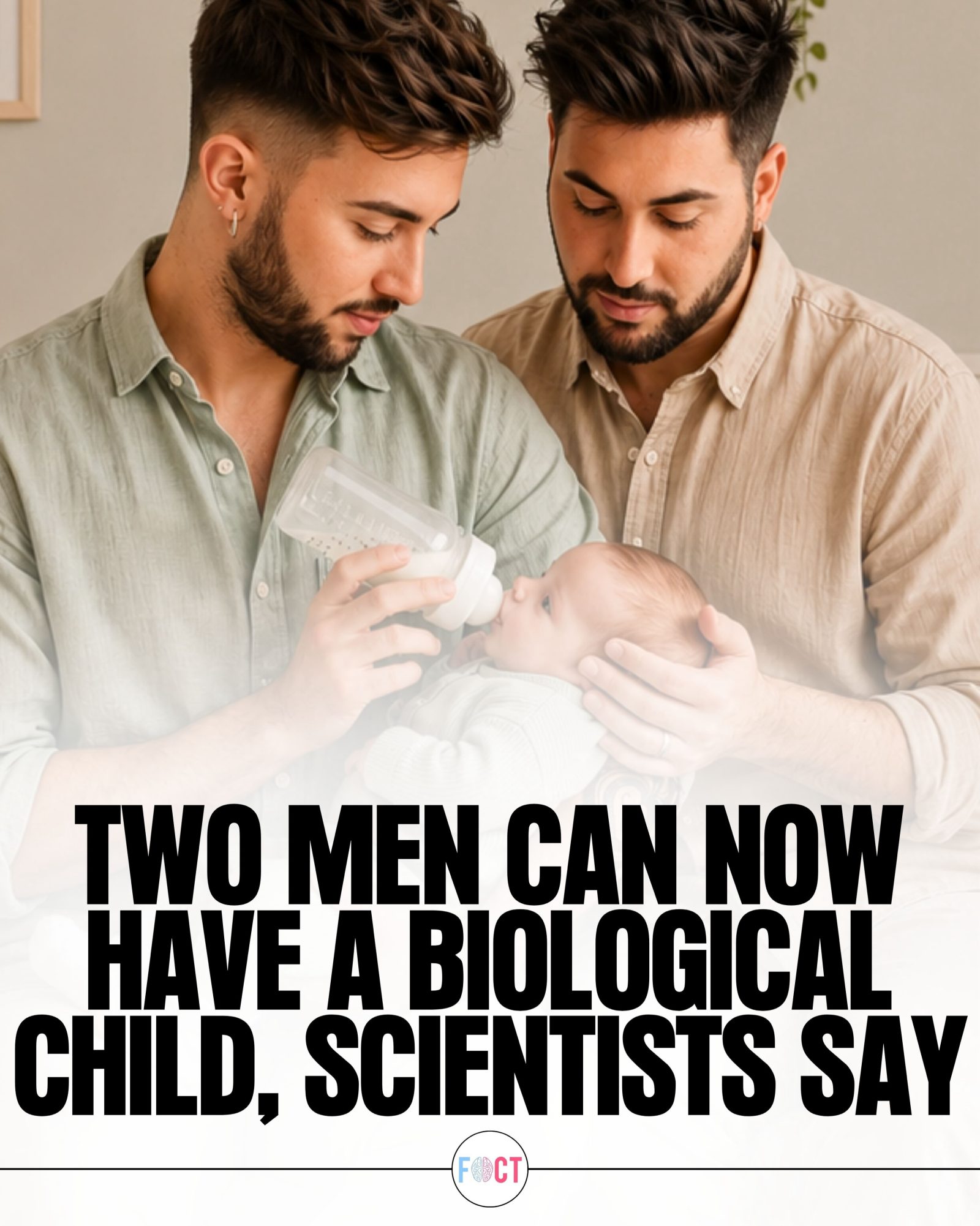
A Revolutionary Shift in Reproductive Science
The ability for two men to have a biological child is no longer just a concept in science fiction. Recent advancements in stem cell biology and genetic engineering have brought this possibility into the realm of scientific reality. This breakthrough, announced by researchers, could fundamentally reshape the landscape of human biology and parenthood.
Context: Why This Matters
For same-sex male couples, the prospect of having a biological child has long been a dream. Traditional reproductive methods have required donor eggs or surrogates, which can be expensive and complex. The new research offers a pathway for these couples to have children who are genetically related to both partners. This shift could have profound implications for family building, paving the way for more inclusive and diverse family structures.
The Science Behind the Breakthrough
Stem Cell Reprogramming
The foundation of this breakthrough lies in stem cell reprogramming. Researchers have successfully converted male somatic cells, such as skin cells, into induced pluripotent stem cells (iPSCs). These iPSCs are versatile and can be guided through intricate lab protocols to develop into functional egg cells. This process involves reprogramming the cells to an embryonic-like state, where they can then be differentiated into any cell type, including egg cells.
Creation of Male-Derived Egg Cells
One of the most remarkable aspects of this research is the creation of male-derived egg cells. Scientists have modified specific genes and manipulated epigenetic markers in XY stem cells to convert them into cells that closely resemble female XX egg cells. This conversion allows male-derived cells to function as genuine oocytes, capable of being fertilized.
Fertilization and Embryo Development
Once these male-derived egg cells are produced, they can be fertilized with sperm from another male partner. This fertilization process creates embryos that are genetically connected to both men. The embryos are then cultured in vitro, opening a genuine pathway toward biological offspring. This method ensures that the resulting child has a genetic link to both parents, a significant milestone in reproductive science.
Challenges and Limitations
While the initial results are promising, translating this technology into viable human pregnancies remains experimental. Significant hurdles include chromosomal abnormalities, epigenetic instability, and the ethical questions surrounding human germline manipulation. Researchers must address these challenges to ensure the safety and viability of the procedure.
Ethical and Regulatory Considerations
Technologies this powerful raise profound questions around genetic intervention, reproductive rights, and societal impact. Robust regulatory frameworks will be essential to guide their safe and ethical development. Ethical considerations include the potential for misuse, the long-term health implications for the resulting children, and the societal acceptance of such technologies.
Practical Tips for Couples
For same-sex male couples considering this path, it's crucial to stay informed about the latest developments in reproductive science. Consulting with specialists in the field can provide valuable insights and guidance. Additionally, engaging with support groups and communities can offer emotional support and shared experiences.
Important Takeaways
This breakthrough in reproductive science represents a significant step forward in the quest for inclusive parenthood. The ability for two men to have a biological child could redefine the boundaries of parenthood, offering new possibilities for same-sex couples. As research continues, it's essential to address the ethical and regulatory considerations to ensure the safe and responsible use of these technologies.
Conclusion
The announcement that two men can have a biological child marks a revolutionary shift in reproductive science. This breakthrough, driven by advancements in stem cell biology and genetic engineering, holds the promise of transforming family-building options for same-sex male couples. As we move forward, it's crucial to navigate the ethical and regulatory landscape to ensure that these technologies are developed and used responsibly. The future of parenthood is evolving, and this discovery represents a significant milestone in that journey.
Questions readers ask
How do recent advancements in stem cell biology enable two men to have a biological child?
Recent advances in stem cell biology have made it possible to create stem cell-derived eggs. These eggs can be used in conjunction with sperm from both partners to create an embryo that contains genetic material from both men. This process uses the latest stem cell research techniques to facilitate male biological parenthood.
What role does genetic engineering play in this breakthrough?
Genetic engineering plays a crucial role in modifying the stem cells to function like eggs. By manipulating the genetic material, scientists can ensure that the resulting cells behave like oocytes, allowing for the fertilization process to occur with sperm from both male partners.
What are the implications for same-sex male couples seeking parenthood?
This breakthrough offers same-sex male couples a new pathway to biological parenthood. It allows for the possibility of having children who are genetically related to both partners, which was previously not an option. This can simplify the process and reduce the reliance on donor eggs or surrogates.
What are the potential benefits of using stem cell-derived eggs in reproduction?
Using stem cell-derived eggs can provide a more direct biological connection between the parents and their children. This method avoids the need for donor eggs, which can be a significant financial and emotional burden for couples. Additionally, it opens up new possibilities for genetic parenthood for men.
What ethical considerations should be taken into account with this new reproductive technology?
The use of stem cell-derived eggs and genetic engineering in reproduction raises several ethical questions. These include the potential for genetic manipulation and the implications of creating embryos that are genetically related to both male partners. It is important to consider the long-term effects on the children and ensure that the process is safe and ethically sound.
What are the next steps in making this technology widely available?
Further research and clinical trials are needed to refine the process and ensure its safety and reliability. Once these steps are completed, regulatory approvals will be required before the technology can be made widely available. This process will involve collaboration between scientists, ethicists, and policymakers to address all relevant considerations.
Related deep dives
Similar reads based on topic and creator.




Recent articles
Fresh deep dives from the latest Reels we unpacked.




Comments
Be the first to comment.