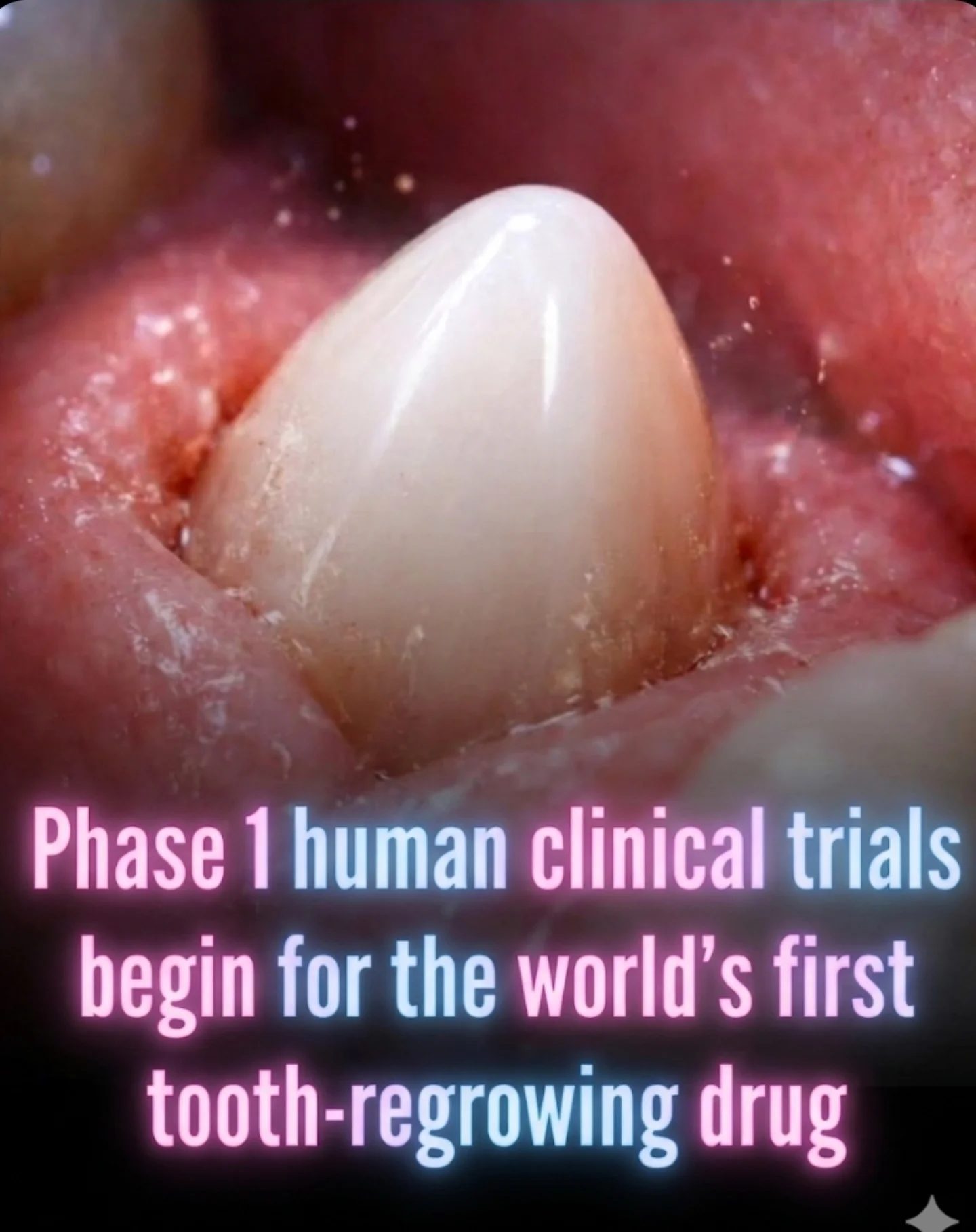
Tooth Regrowth Drug Trials
A groundbreaking advancement in modern dentistry is underway: the development of a drug designed to regrow human teeth. This innovative research aims to revolutionize dental care by addressing tooth loss and regeneration.
Why This Matters
Tooth loss can significantly impact a person's quality of life, affecting their ability to eat, speak, and smile confidently. Traditional solutions like dentures, bridges, and implants have their limitations. The prospect of regenerating natural teeth offers a more permanent and biologically natural solution. This breakthrough could transform dental care by eliminating the need for invasive procedures and providing a more comfortable and effective treatment option.
How the Drug Works
The Mechanism
The drug in development, often referred to in trials as TRG-035, utilizes a monoclonal antibody. This antibody is designed to block a specific protein in the body called USAG-1 (Uterine Sensitization-Associated Gene-1). USAG-1 is responsible for suppressing the growth of a "third set" of tooth buds that humans naturally possess. By neutralizing this protein, the drug effectively "flips the switch," allowing these dormant tooth buds to develop into full, functioning teeth.
Successful Animal Testing
Before proceeding to human trials, the drug demonstrated promising results in animal studies. Testing on mice and ferrets showed a high success rate in growing new teeth with no major side effects. These preclinical trials provided the necessary evidence to move forward with human testing.
Current Clinical Trial Timeline
Phase 1: Safety and Tolerability
Phase 1 human clinical trials are currently underway. This phase involves administering the drug to a small group of healthy adult humans who are missing at least one molar. The primary goal is to ensure the drug is non-toxic and well-tolerated. The focus is on safety and dosage, ensuring that the drug can be safely administered to humans without adverse effects.
Phase 2: Effectiveness
The next phase, expected to begin around 2025, will focus on the drug's effectiveness. Phase 2 trials will involve children aged 2 to 7 who were born with congenital missing teeth (anodontia). This condition affects individuals who are born lacking some or all of their permanent teeth. The trials will assess not only the drug's ability to regrow teeth but also its impact on the overall dental health and development of young patients.
Commercial Release
If the drug proves successful in all clinical trial phases, researchers aim to make it commercially available to the general public by 2030. This timeline accounts for the rigorous testing and regulatory processes required to bring a new drug to market.
Important Considerations
Early Stages
While the initial results are promising, it's important to remember that clinical trials take years. Just because a drug works safely in animals does not guarantee it will perfectly recreate a perfectly aligned human tooth. The process involves multiple stages of testing to ensure both safety and efficacy.
Realistic Caution
Experts urge a bit of realistic caution. While the potential for this drug to revolutionize dental care is exciting, it's crucial to approach the development with a balanced perspective. The journey from preclinical trials to widespread availability is long and fraught with challenges. Each phase of the trial will provide more data, and the drug's success will depend on how it performs in human subjects.
Practical Tips
Stay Informed
For those interested in this groundbreaking research, staying informed about the progress of the clinical trials is essential. Follow reputable dental and medical journals, and keep an eye on updates from the research institutions involved in the trials. This will provide the most accurate and up-to-date information.
Consult Professionals
If you or someone you know is dealing with tooth loss, it's important to consult with dental professionals. They can provide personalized advice and guidance on the best current treatments available. While the tooth-regrowing drug is promising, it is still in the early stages of development and may not be widely available for some time.
Important Takeaways
- The development of a drug designed to regrow human teeth is a significant breakthrough in modern dentistry.
- The drug, referred to as TRG-035, works by blocking the USAG-1 protein, allowing dormant tooth buds to develop into full, functioning teeth.
- Successful animal testing has paved the way for human clinical trials, which are currently in Phase 1.
- Phase 2 trials, focusing on effectiveness, are expected to begin around 2025, with a commercial release targeted for 2030.
- While the potential is exciting, it's important to approach this development with realistic caution and stay informed about the progress of the clinical trials.
Conclusion
The development of a drug to regrow human teeth represents a significant leap forward in dental care. With successful animal testing and the initiation of human clinical trials, the prospect of regenerating natural teeth is becoming a reality. While the journey from preclinical trials to commercial availability is long and complex, the potential benefits are immense. Staying informed and consulting with dental professionals will be crucial for those interested in this groundbreaking advancement.
Questions readers ask
What is the primary goal of the tooth regrowth drug in Phase 1 clinical trials?
The primary goal is to tackle tooth loss by neutralizing a specific protein that hinders tooth bud growth, enabling the regeneration of full, functioning teeth.
How does the tooth regrowth drug differ from traditional dental procedures?
Unlike traditional procedures such as dentures, bridges, and implants, this drug focuses on regenerating natural teeth, offering a more permanent and biologically natural solution.
What are the potential benefits of using a drug for tooth regrowth?
Regenerating teeth using a drug could significantly enhance patient comfort and reduce the need for invasive procedures. This advancement aims to improve the overall quality of life, addressing challenges in eating, speaking, and smiling confidently.
What is the significance of Phase 1 clinical trials for this dental innovation?
Phase 1 clinical trials are crucial for ensuring the safety and initial efficacy of the drug. This phase helps scientists determine the appropriate dosage and monitor for any adverse effects while assessing the drug's potential for regenerating teeth.
What role does the inhibition of specific proteins play in the tooth regrowth process?
The inhibition of specific proteins is pivotal in the tooth regrowth process. This drug targets a protein that normally restricts tooth bud growth, allowing for the natural regeneration of teeth.
What are the potential impacts of this breakthrough on the field of dentistry?
The breakthrough drug could transform dentistry by providing a more permanent and natural solution to tooth loss. This innovation could potentially reduce the need for temporary dental solutions and offer a more effective treatment option.
What are the current limitations of traditional tooth loss treatments that this drug aims to address?
Traditional treatments like dentures, bridges, and implants have limitations including discomfort, invasiveness, and the need for periodic replacements. The tooth regrowth drug aims to provide a more permanent, natural, and comfortable solution to tooth loss.
Related deep dives
Similar reads based on topic and creator.




Recent articles
Fresh deep dives from the latest Reels we unpacked.




Comments
Be the first to comment.