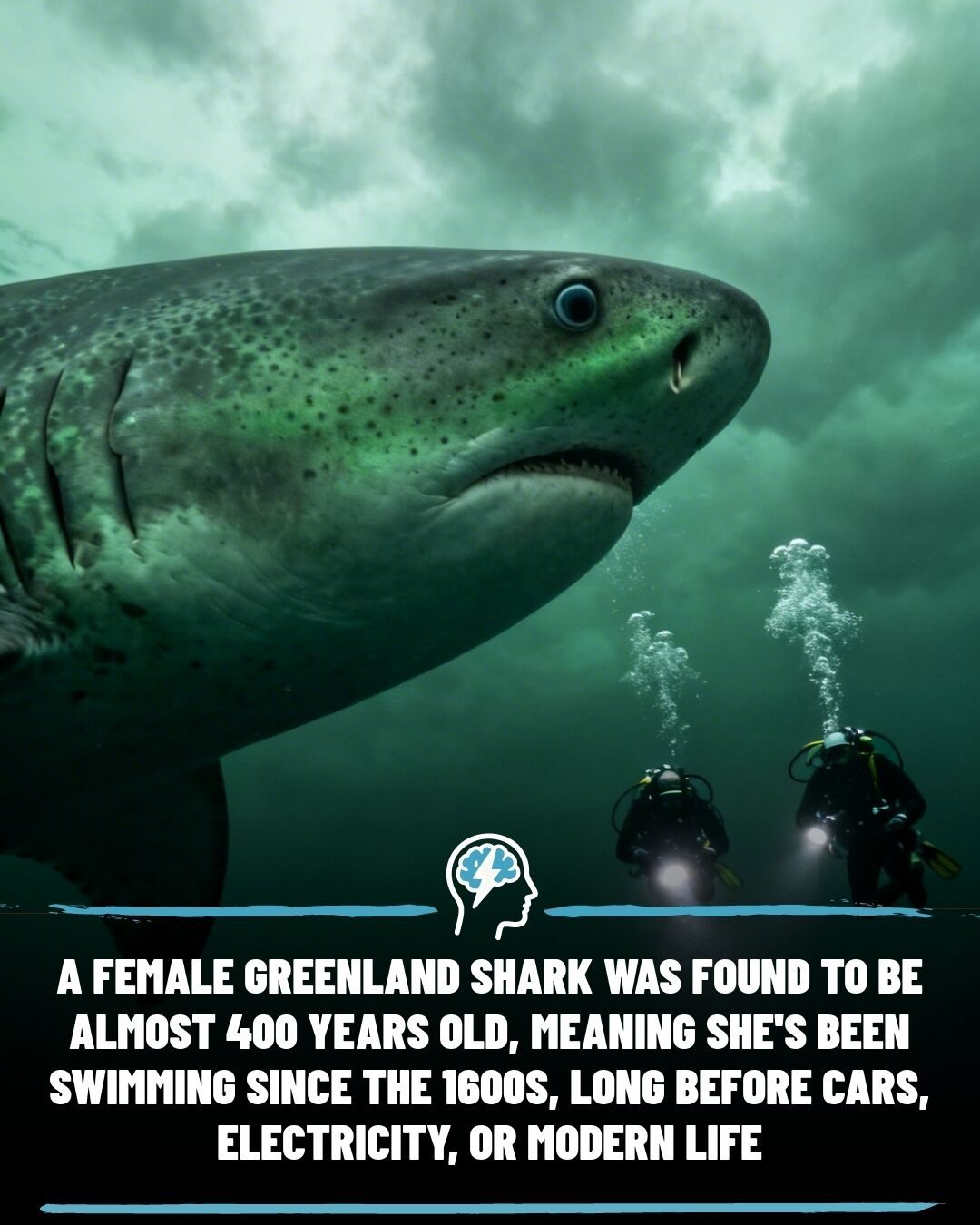
Greenland Shark Longevity
Deep in the frigid waters of the Arctic, Greenland sharks silently glide through the depths, carrying with them a secret of extraordinary longevity. These ancient creatures have been swimming the oceans for centuries, predating many of humanity's most significant milestones. The oldest known Greenland shark was estimated to be around 392 years old, with some estimates suggesting these sharks can live up to an astounding 500 years, making them the longest-living vertebrates ever discovered.
Context / Why This Matters
The remarkable lifespan of Greenland sharks has captivated scientists and nature enthusiasts alike. Understanding the mechanisms behind their extreme longevity could provide valuable insights into aging and human longevity. These sharks have outlived countless generations of humans, witnessing the rise and fall of civilizations and the evolution of our species. They offer a unique perspective on the passage of time and the resilience of life.
Main Discussion
Age Determination
Determining the age of a creature that lives for centuries is no small feat. Scientists have employed a sophisticated technique involving radiocarbon dating of proteins in the shark's eye lens. These proteins form before birth and remain stable throughout the shark's life, providing a reliable time marker. By using the radiocarbon "bomb pulse" from 1950s nuclear testing, researchers could calculate the age of these ancient animals with remarkable accuracy.
Environmental and Biological Factors
The extreme longevity of Greenland sharks can be attributed to a combination of environmental and biological factors. These sharks inhabit the deep, cold waters of the Arctic, where temperatures can drop to near-freezing levels. The frigid environment, combined with the immense pressure at depths of up to 2,200 meters, creates a slow-paced, energy-efficient lifestyle. Greenland sharks grow at an exceptionally slow rate, adding only about 0.5 to 1 centimeter to their length each year.
The slow growth rate is complemented by a remarkably slow metabolism, which allows the sharks to conserve energy and maintain their biological functions over an extended period. This physiological adaptation, combined with their cold-water habitat, contributes to their incredible longevity.
Genetic Adaptations
Genomic research has revealed fascinating insights into the genetic makeup of Greenland sharks. These creatures possess multiple copies of genes involved in DNA repair and immune function. The presence of these altered genes may contribute to their resistance to cancer and other age-related diseases, further enhancing their lifespan.
Scientists have identified specific genetic mutations that could play a crucial role in the shark's extended longevity. These mutations appear to enhance the shark's ability to repair damaged DNA and maintain cellular integrity, which is essential for long-term survival.
Practical Tips
While the specific genetic and environmental factors contributing to the Greenland shark's longevity are unique to these creatures, there are broader lessons that can be applied to human health and well-being.
Embrace a Slow-Paced Lifestyle
The Greenland shark's slow metabolism and growth rate highlight the benefits of a slower, more energy-efficient lifestyle. While it's not practical to mimic their slow growth, adopting a balanced, low-stress routine can help reduce metabolic strain and promote longevity.
Prioritize DNA Repair and Immune Function
Maintaining optimal DNA repair mechanisms and a robust immune system is crucial for long-term health. Regular exercise, a balanced diet rich in antioxidants, and adequate sleep can support these functions. Additionally, avoiding exposure to environmental toxins and reducing stress can help preserve cellular integrity.
Harness the Power of Cold Water
While humans cannot live in the Arctic, cold-water exposure, such as through cold showers or ice baths, has been shown to have various health benefits. These practices can improve circulation, boost metabolism, and enhance immune function, mimicking some of the benefits of the Greenland shark's cold-water habitat.
Nutritional Considerations
Emphasizing a diet rich in omega-3 fatty acids, which are abundant in cold-water fish, can support heart health and reduce inflammation. Incorporating foods high in antioxidants, such as berries, leafy greens, and colorful fruits and vegetables, can also help combat oxidative stress and promote overall health.
Important Takeaways
The extraordinary lifespan of Greenland sharks offers a window into the mysteries of longevity and aging. By studying these ancient creatures, scientists have uncovered valuable insights into the genetic and environmental factors that contribute to their remarkable ability to outlive centuries of human history.
Key takeaways include the importance of a slow-paced, energy-efficient lifestyle, the benefits of maintaining robust DNA repair and immune function, and the potential health advantages of cold-water exposure. These lessons can inspire us to adopt healthier habits and strive for a more balanced, long-lasting life.
Conclusion
The Greenland shark's incredible longevity is a testament to the resilience and adaptability of life on Earth. By delving into the genetic and environmental factors that contribute to their extended lifespan, we gain a deeper appreciation for the complexities of aging and the potential for enhancing human health and longevity. As we continue to explore the depths of the Arctic and the mysteries of these ancient creatures, we are reminded of the profound connection between all living things and the delicate balance of our shared existence.
Questions readers ask
How do scientists determine the age of a Greenland shark?
Scientists primarily use a technique called radiocarbon dating on the shark's eye lenses to estimate their age. This method measures the levels of carbon-14, a radioactive isotope, which decreases over time. By comparing these levels to known historic data, researchers can make an educated guess about the shark's age.
What is the average lifespan of a Greenland shark?
The average lifespan of a Greenland shark is estimated to be around 200-250 years. However, some specimens have been found to be significantly older, with the oldest known Greenland shark estimated to be around 392 years old and some estimates suggesting they can live up to 500 years.
What factors contribute to the extraordinary longevity of Greenland sharks?
The exact factors contributing to the Greenland shark's longevity are still being researched. However, scientists believe their slow metabolism, cold-water habitat, and lack of natural predators may all play a role.
Why are Greenland sharks important for aging research?
The study of Greenland sharks offers unique opportunities for aging research. By understanding the biological mechanisms that allow these sharks to live for centuries, scientists hope to gain insights that could be applied to other species, including humans.
Where are Greenland sharks typically found?
Greenland sharks are predominantly found in the cold, deep waters of the Arctic and North Atlantic Oceans. They inhabit depths ranging from 200 to 2,200 meters, making them difficult to study and observe.
What is the significance of the Greenland shark's slow growth rate?
The slow growth rate of Greenland sharks is one of the key factors contributing to their longevity. It takes these sharks decades to reach sexual maturity, and their slow metabolism helps them conserve energy and resources, allowing them to live for incredibly long periods.
How do Greenland sharks' habits contribute to their long life?
Greenland sharks are known for their slow movements and low activity levels, which help conserve energy. Their diet, consisting mainly of fish and other slow-moving marine creatures, also supports their energy-efficient lifestyle. Additionally, their cold-water habitat and lack of natural predators reduce the stress and risks associated with their life.
Related deep dives
Similar reads based on topic and creator.




Recent articles
Fresh deep dives from the latest Reels we unpacked.




Comments
Be the first to comment.