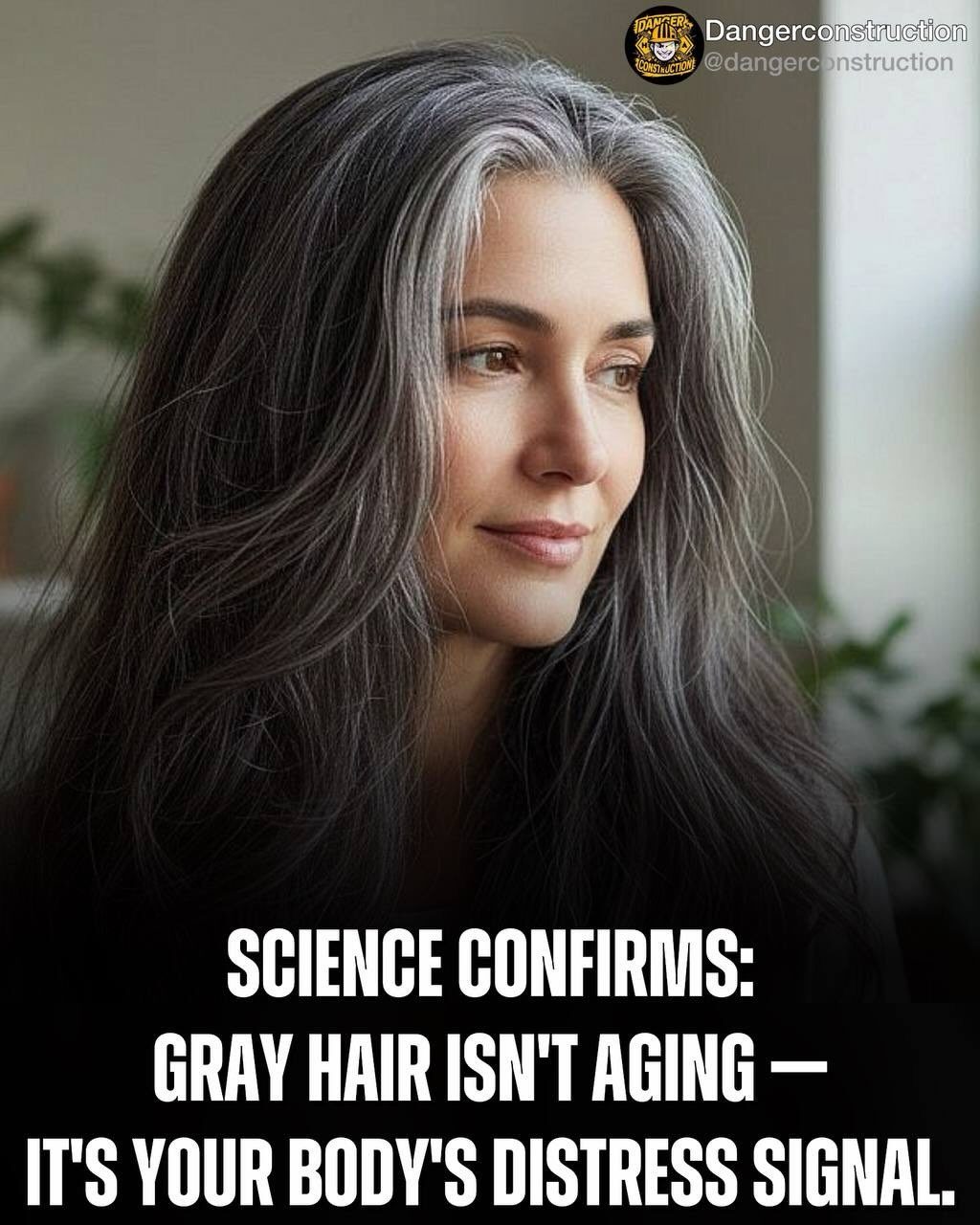
Gray Hair and Your Health
Gray hair is more than just a cosmetic change that comes with aging. It can signal underlying nutrient deficiencies and even indicate potential health issues. Graying occurs when melanocytes, the cells responsible for hair color, stop producing the pigment melanin. Several factors, including stress, nutrient deficiencies, and genetics, can contribute to this process. Let's dive into the significance of gray hair and how it can serve as a distress signal from your body.
Why This Matters
The location and onset of gray hair can provide clues about specific health concerns. Understanding these signals can help individuals take proactive steps to address potential issues and maintain their overall well-being. Furthermore, gray hair can be a visible indicator of internal imbalances, prompting further investigation and preventive care.
Main Discussion
The Link Between Gray Hair and Heart Disease
Early graying, particularly before the age of 40, has been linked to a heightened risk of heart disease. A 2017 study found that individuals with premature graying were 5.3 times more likely to develop heart disease compared to those without gray hair. This correlation suggests that gray hair may serve as an early warning sign for cardiovascular health issues. By recognizing and addressing the underlying causes, such as nutrient deficiencies and stress, individuals can take steps to mitigate their risk.
Nutrient Deficiencies and Gray Hair
Several nutrients play a crucial role in maintaining hair pigmentation. Low levels of copper, B12, and catalase can inhibit the function of melanocytes, leading to premature graying. Copper is essential for the production of melanin, while B12 supports the overall health of cells. Catalase, an antioxidant enzyme, helps protect pigment stem cells from damage. By ensuring adequate intake of these nutrients, individuals can support healthy hair pigmentation and potentially slow the graying process.
The Role of Stress
Harvard research has shown that stress can accelerate the graying process by destroying pigment stem cells. Chronic stress can deplete the body's reserves of essential nutrients, further exacerbating the issue. Managing stress through techniques such as mindfulness, exercise, and adequate sleep can help preserve hair color and promote overall health.
The Location of Gray Hair and Its Significance
The specific locations where gray hair appears can offer insights into particular health issues:
- Temples: Gray hair at the temples may indicate thyroid issues. The thyroid gland regulates metabolism, and imbalances can affect various aspects of health, including hair pigmentation. If graying occurs in this area, it may be beneficial to consult a healthcare provider and discuss thyroid function.
- Crown: Gray hair on the crown often suggests deficiencies in B12 and copper. These nutrients are vital for maintaining the health of pigment stem cells. Addressing these deficiencies through diet or supplementation can potentially alleviate the graying process in this area.
Copper-Rich Foods and Their Benefits
Foods rich in copper can help support healthy hair pigmentation. Oysters, for example, provide an astounding 4900% of the daily copper needs in just 100 grams. Other copper-rich foods include organ meats, nuts, seeds, and leafy greens. Incorporating these foods into your diet can help ensure adequate copper intake and support overall health.
Practical Tips
- Nutritional Balance: Ensure a balanced diet rich in copper, B12, and other essential nutrients. Foods such as oysters, leafy greens, and organ meats can provide the necessary nutrients to support healthy hair pigmentation.
- Stress Management: Incorporate stress-reduction techniques into your daily routine. Techniques such as meditation, yoga, and deep breathing exercises can help manage stress levels and support overall well-being.
- Thyroid Health: If you notice gray hair at the temples, consider consulting a healthcare provider to discuss thyroid function and potential imbalances.
- Regular Check-ups: Regular medical check-ups can help identify potential health issues early, allowing for timely intervention and management.
Important Takeaways
Gray hair isn't just a cosmetic concern; it can serve as a valuable signal from your body regarding underlying health issues. By recognizing the significance of graying and addressing the root causes, individuals can take proactive steps to improve their overall health. This includes ensuring adequate nutrient intake, managing stress, and seeking medical advice when necessary. By viewing gray hair as a message rather than a life sentence, individuals can better understand and address their body's needs for optimal health.
Questions readers ask
How does gray hair indicate nutrient deficiencies?
Gray hair can be a visible sign of nutrient deficiencies, particularly in vitamins like B12, which are crucial for melanin production. Deficiencies in these nutrients can disrupt the functioning of melanocytes, leading to premature graying. If you notice early graying, it might be worthwhile to consult a healthcare professional and discuss potential nutrient deficiencies and supplementation.
Can gray hair at specific locations on the head signal different health issues?
Yes, the location of gray hair can sometimes indicate specific health concerns. For example, gray hair appearing at the temples might be associated with stress or genetic factors, while gray hair on the crown could be linked to thyroid issues. Paying attention to where gray hair appears can provide clues about what might be happening internally.
Is there a link between gray hair and heart disease?
Some research suggests a correlation between premature graying and an increased risk of heart disease. This link is thought to be related to the underlying stress and inflammation that can affect both hair color and cardiovascular health. Regular check-ups and a heart-healthy lifestyle can help manage this risk, especially if you have a family history of heart disease.
What role does stress play in the onset of gray hair?
Stress can significantly impact the onset of gray hair. High levels of stress can accelerate the depletion of melanocytes, leading to premature graying. Managing stress through techniques like meditation, exercise, and adequate sleep can help mitigate this effect and promote overall well-being.
At what age is it considered 'early' to start going gray?
Typically, if you start to notice gray hair before the age of 20, it is considered early graying. This can be an indication of underlying health issues or genetic predispositions. If you or a family member experiences early graying, it is advisable to consult a healthcare provider to explore potential causes and take proactive measures.
Can addressing nutrient deficiencies reverse gray hair?
While addressing nutrient deficiencies can improve overall health and potentially slow the progression of graying, it is unlikely to reverse already gray hair. The best approach is to focus on maintaining a balanced diet, getting enough vitamins and minerals, and considering supplements if recommended by a healthcare professional.
What are the common vitamin deficiencies associated with premature gray hair?
Common vitamin deficiencies associated with premature gray hair include Vitamin B12, Vitamin D, and copper. These nutrients are essential for melanin production and overall hair health. If you suspect a deficiency, a healthcare provider can recommend appropriate tests and supplements to address the issue.
Related deep dives
Similar reads based on topic and creator.

Recent articles
Fresh deep dives from the latest Reels we unpacked.




Comments
Be the first to comment.