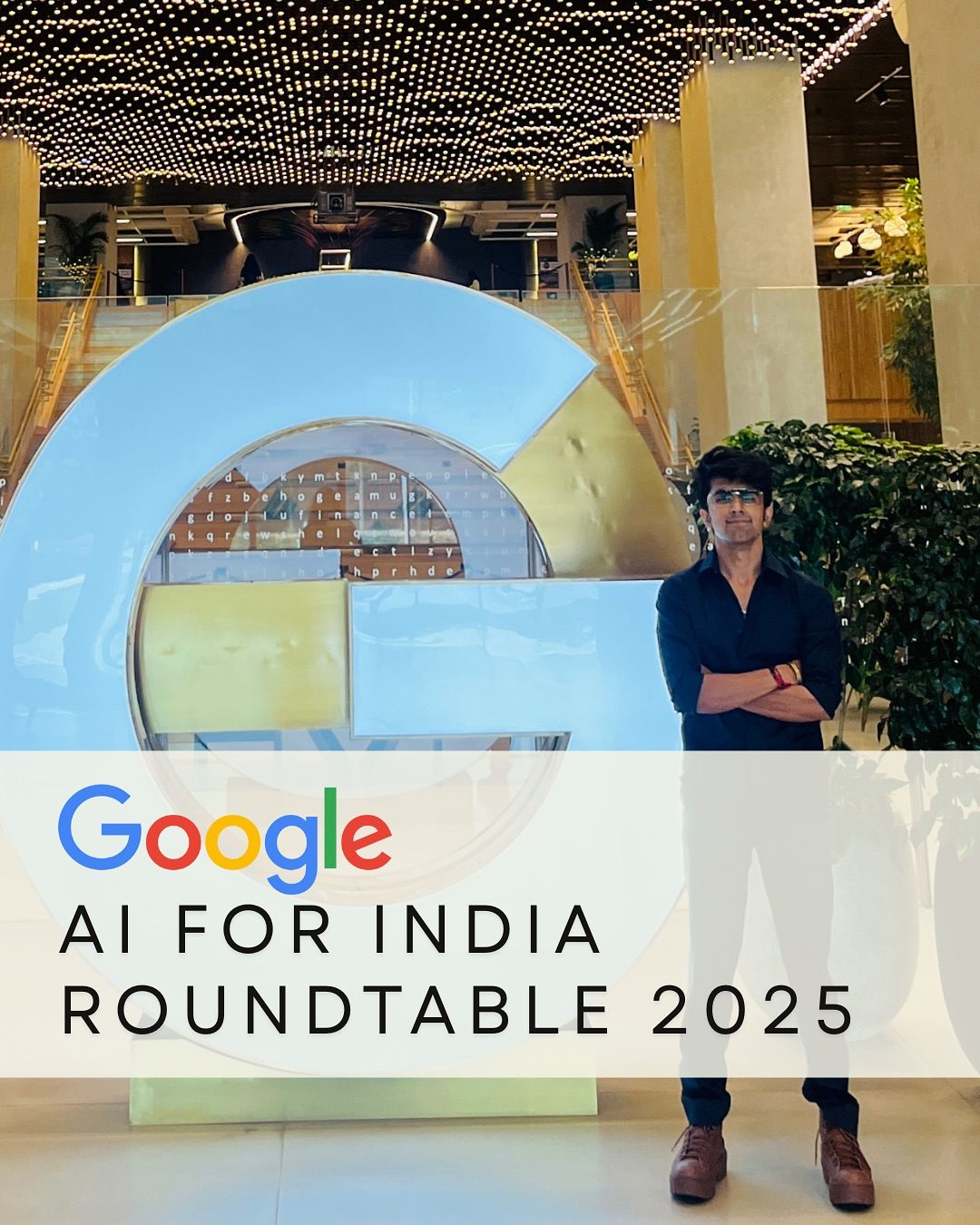
Google AI for India Roundtable 2025
The Google AI for India Roundtable at Google Ananta in Bangalore was a significant event showcasing cutting-edge AI applications tailored for India. This gathering brought together experts from Google DeepMind and various research teams to share insights into AI's transformative potential in different sectors, including healthcare, agritech, and more.
Context / Why this matters
While AI has made strides globally, its potential in India is unique. The country's vast population, diverse languages, and varied cultural contexts present both challenges and opportunities. The Google AI for India Roundtable 2025 aimed to address these by developing AI solutions that are not only technologically advanced but also culturally sensitive and contextually relevant.
AI Applications Showcased
Predictive Models for Maternal Health
One of the most impactful discussions at the roundtable was around AI in maternal health. The focus was on creating predictive models to ensure that expecting mothers receive timely and localized guidance. This initiative is crucial for a country like India, where access to healthcare can be uneven. AI can help bridge this gap by providing critical information to the right people at the right time. Think of a pregnant woman in a remote village receiving timely alerts and advise on prenatal care, nutrition, and potential complications. For example, AI-driven models can predict health risks based on data patterns, enabling healthcare providers to intervene before issues escalate.
Agritech APIs and Agent Frameworks
Another significant highlight was the development of Agritech APIs and agent frameworks. These tools are designed to help businesses and farmers solve real-world problems in agriculture. From crop planning to weather alerts, these APIs can provide actionable insights that are specific to local conditions. For instance, a farmer could use an API to get real-time weather updates, soil moisture levels, and pest infestation warnings, allowing for more precise and effective farming practices. This is not just about introducing technology but about making it practical and beneficial for those on the ground.
Gemini 2.5 Pro in Hospitals
The implementation of Gemini 2.5 Pro in hospitals, particularly at Manipal Hospital in Bangalore, showcased how AI can streamline administrative tasks. This AI-driven admin-heavy tasks minimization is saving time for doctors and staff, allowing them to focus more on patient care. For example, Gemini 2.5 Pro can automate appointment scheduling, patient data management, and even pre-admission processes, reducing the administrative burden significantly.
Culture-First AI Models
Perhaps the most innovative discussion was around the creation of "culture-first" AI models. These models incorporate Indian languages, idioms, and cultural signals, making AI more relatable and effective for the local population. By understanding and responding to cultural nuances, these AI models can provide more meaningful interactions. Imagine an AI assistant that not only understands English but also communicates in local dialects, recognizes cultural gestures, and responds with culturally appropriate messages. This inclusivity ensures that AI is not just a foreign concept but a tool that integrates seamlessly into everyday life.
Practical Tips
Use AI for Localized Health Solutions
When developing AI solutions for maternal health, it's essential to focus on localization. Tools must be tailored to the specific needs and circumstances of the local population. Collaborate with local healthcare providers to gather data and insights that will make the AI models more effective. For instance, integrating local languages and cultural nuances into AI-driven advice can make a significant difference in how the information is received and acted upon.
Leverage Agritech Tools for Real-World Applications
For agribusinesses and farmers, the key is to use agritech tools that provide actionable insights. APIs and agent frameworks should be designed to address specific, real-world problems such as crop planning, weather forecasting, and pest management. These tools should be user-friendly and accessible, allowing farmers to make informed decisions that improve their yields and sustainability.
Streamline Healthcare Administration with AI
In hospitals, AI can significantly reduce the administrative burden, allowing healthcare professionals to focus on patient care. Tools like Gemini 2.5 Pro can automate routine tasks, free up valuable time, and improve overall efficiency. Hospitals can benefit from AI-driven solutions for tasks like appointment scheduling, data management, and patient monitoring.
Incorporate Cultural Signals into AI Models
When developing AI models, it is crucial to incorporate cultural signals. This means understanding and responding to the local language, idioms, and cultural gestures. Doing so can make AI more relatable and effective for the local population. For instance, creating AI assistants that can communicate in multiple local dialects and understand cultural nuances can enhance user interactions and make AI solutions more inclusive.
Important Takeaways
AI Solutions Must Be Contextually Relevant
AI solutions must be tailored to the specific needs and circumstances of different regions and populations. This means incorporating local languages, cultural signals, and specific challenges. For example, predictive models for maternal health need to be localized to ensure they provide relevant and timely information to expecting mothers in remote areas.
AI Can Transform Multiple Sectors
AI has the potential to transform multiple sectors, from healthcare and agriculture to administration. By leveraging AI tools, we can solve real-world problems, improve efficiency and make significant strides in various fields. For instance, AI can help farmers with crop planning and weather alerts, and streamline administrative tasks in hospitals.
Collaboration Is Key
Collaboration between tech companies, local experts, and end-users is crucial for the successful implementation of AI solutions. This ensures that the tools developed are relevant, effective, and accessible to the people who need them. For example, working with local healthcare providers and farmers can provide valuable insights that make AI models more effective.
Conclusion
The Google AI for India Roundtable 2025 provided a glimpse into the future of AI in India. It showcased innovative applications in healthcare, agritech, and administration, all tailored to the unique needs and contexts of the Indian population. As AI continues to evolve, its potential to transform various sectors and improve lives will only grow. By focusing on localization, practical applications, and cultural inclusivity, AI can truly become a transformative force in India.
Related deep dives
Similar reads based on topic and creator.




Recent articles
Fresh deep dives from the latest Reels we unpacked.




Comments
Be the first to comment.