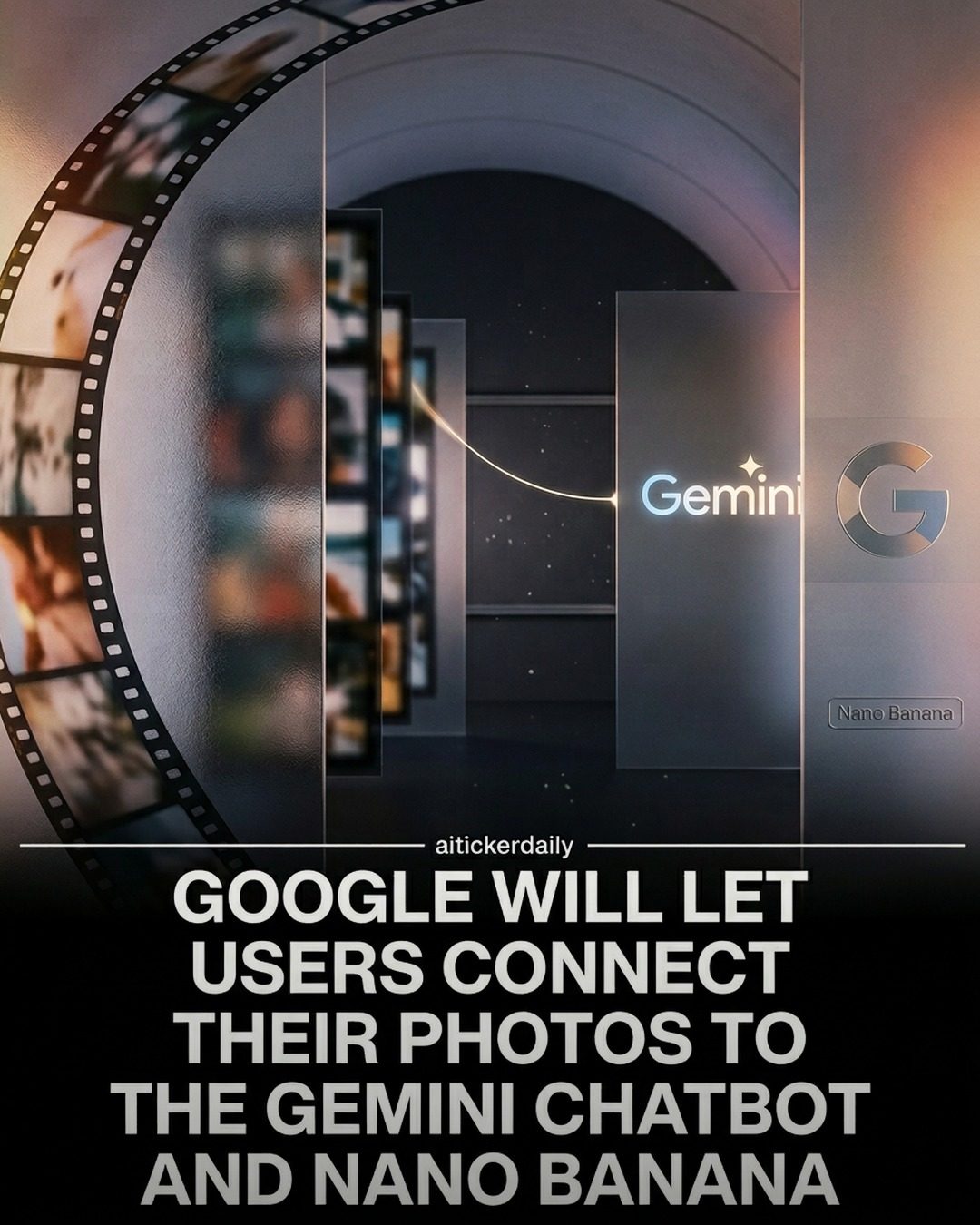
Google Gemini Chatbot Integration with Photos
Google's Gemini chatbot is venturing into new territory by integrating with users' personal photo libraries. This move represents a significant shift in how chatbots interact with private information, going beyond typical typed prompts. With the integration, users will be able to connect their photo libraries to both the Gemini chatbot and another service called Nano Banana. This development raises important questions about consent, data retention, and the potential misuse of personal media.
Context / Why this matters
As AI technology advances, the boundaries between digital assistants and personal data become increasingly blurred. Chatbots like Gemini are evolving from simple text-based interactions to more immersive experiences that can recognize and respond to visual content. This integration with personal photo libraries is a pivotal step, as it introduces new dimensions of privacy and security that both users and regulators must consider.
Main discussion
Enhanced Capabilities
The integration of Google's Gemini chatbot with personal photo libraries opens up new possibilities for how users can interact with AI. By connecting photos to the chatbot, users can potentially search, categorize, and manage their photo collections more efficiently. This feature could be particularly useful for organizing large photo libraries, retrieving specific images, or even creating automated photo albums based on certain criteria.
Privacy and Consent
One of the most significant concerns with this integration is privacy. Linking a camera roll to a general assistant raises questions about consent, retention, and misuse. Users must be clear on what data is being indexed, how long it will be stored, and what happens when prompts cross personal media. Google must ensure that users have full control over their data and can easily revoke access if needed.
Implications for Families and Regulators
AI assistants that remember not only what you type but also what you see change the risk surface for both families and regulators. Families need to be aware of how their personal photos could be used and ensure that sensitive information is protected. Regulators, on the other hand, will need to establish guidelines and regulations to oversee the handling of personal data by AI assistants.
Consumer Expectations
Consumer teams are treating persistent visual memory as the next retention lever. This means that AI assistants are being designed to remember visual information over time, which could enhance user experiences but also heightens the importance of robust privacy controls. Users should expect that their photo libraries will be treated with the same level of security as their typed prompts.
Nano Banana: An Additional Layer
Nano Banana, mentioned alongside the Gemini chatbot, adds another layer to this integration. While specific details about Nano Banana are limited, its inclusion suggests that there are additional tools or features being developed to complement the chatbot's capabilities. This could involve more advanced image recognition, editing tools, or even collaborative features that allow multiple users to interact with the same photo library.
Practical tips
Review Privacy Settings
Before connecting your photo library to the Gemini chatbot, review the privacy settings carefully. Ensure that you understand what data is being collected, how it is being used, and how long it will be retained.
Educate Yourself
Stay informed about the latest developments in AI and privacy. Regularly check for updates from Google and other tech companies to understand how your data is being handled and what new features are available.
Seek Clarification
If you have any questions or concerns about the integration, don’t hesitate to seek clarification from Google. Understanding the fine print can help you make informed decisions about your digital privacy.
Important takeaways
- Enhanced Capabilities: Integrating photo libraries with chatbots can significantly improve how users manage and interact with their visual media.
- Privacy Concerns: Users must be aware of the privacy implications and ensure that their data is protected.
- Regulatory Scrutiny: Regulators will need to adapt to the new challenges posed by AI assistants that handle personal media.
- Nano Banana: The inclusion of Nano Banana suggests additional tools or features that could enhance the user experience.
Conclusion
The integration of Google's Gemini chatbot with personal photo libraries is a significant development in the world of AI. While it offers exciting new capabilities for users, it also raises important questions about privacy, consent, and data security. As AI technology continues to evolve, it is crucial for both users and regulators to stay informed and adapt to these changes. By understanding the implications and taking practical steps to protect their data, users can fully enjoy the benefits of this integration while mitigating potential risks.
Questions readers ask
How does the new photo feature in Google's Gemini chatbot work?
The new feature in Google's Gemini chatbot allows users to connect their personal photo libraries, enabling the chatbot to access and utilize these images for enhanced interactions. This integration goes beyond traditional text-based prompts, offering a more immersive experience by incorporating visual elements from the user's personal collection.
Which services can I connect my photo library to with Gemini?
With the new Gemini chatbot, users can connect their photo libraries to both the Gemini chatbot itself and another service called Nano Banana. This dual integration expands the functionality and versatility of how personal photos can be used within these platforms.
What are the potential benefits of integrating personal photos with the Gemini chatbot?
Integrating personal photos with the Gemini chatbot can enhance user experience by making interactions more personalized and contextually relevant. Users can receive tailored responses and photo prompts from the chatbot, which can improve engagement and utility.
What concerns have been raised about Google's new photo feature in Gemini?
The integration of personal photo libraries with the Gemini chatbot has sparked concerns about consent, data retention, and the potential misuse of personal media. Users may be wary of how their private photos are being handled and whether their data is secure.
How do I connect my photo library to the Gemini chatbot?
To connect your photo library to the Gemini chatbot, you typically need to follow specific instructions provided by Google. This usually involves granting permission for the chatbot to access your photo library, which can be done through a series of steps in the chatbot interface or via settings in the connected service.
What types of prompts can I expect with the new photo feature in Gemini?
With the new photo feature, users can expect prompts that are more visually engaging and personalized. The Gemini chatbot can use images from your personal library to create prompts, enhancing the interaction by making it more relevant to your experiences and memories.
How does this integration compare to other AI chatbot functionalities?
The integration of personal photo libraries in the Gemini chatbot distinguishes it from other AI chatbots by providing a more immersive and personalized experience. While other chatbots typically rely on text-based interactions, Gemini's use of personal photos opens up new possibilities for user engagement and interaction.
Related deep dives
Similar reads based on topic and creator.




Recent articles
Fresh deep dives from the latest Reels we unpacked.




Comments
Be the first to comment.