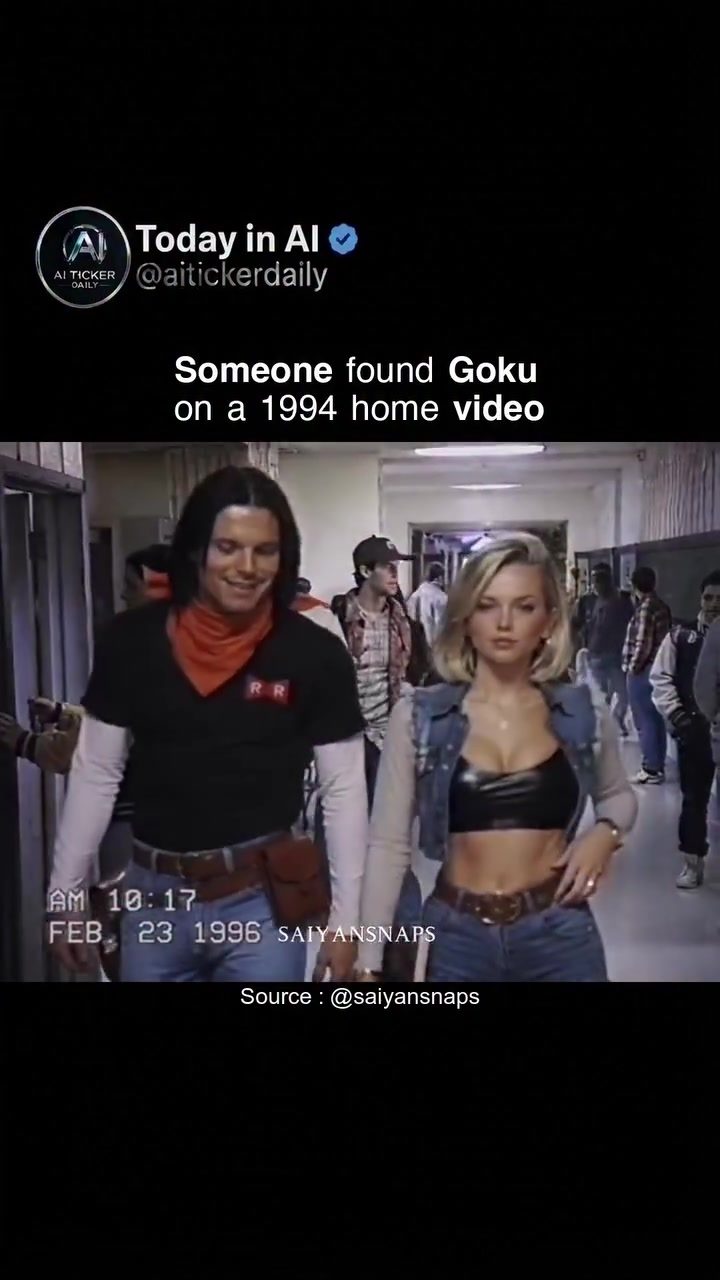
Goku in a 1994 Backyard: The AI-Driven Blend of Anime and Reality
AI is transforming how we experience and remember our favorite fictional characters. The latest example is a viral video featuring Goku from the Dragon Ball Z series, digitized as if he were part of a 1994 backyard home video. This isn't just a clever edit; it's a glimpse into how AI can blur the lines between our memories and the worlds we watch on screen.
Why This Matters
AI advancements are making it possible to render fictional characters in realistic, nostalgic settings. This isn't just a fun trick; it has implications for memory, nostalgia, and the way we perceive reality. People who grew up watching Dragon Ball Z might find it difficult to distinguish between their real memories and these AI-generated scenes. As more people encounter such content, the line between reality and fiction is becoming increasingly blurred.
AI's Role in Recreating Nostalgia
Bringing Characters to Life
You might have seen clips of Goku and other Dragon Ball Z characters moved from their animated backgrounds into a 1994 backyard setting. This transformation isn't just a superficial change in appearance. AI technologies have been employed to mimic the grainy, somewhat glitchy look of old VHS tapes, complete with warped audio and visual artifacts. The result is a nostalgic feel that could make you believe these scenes were actually filmed decades ago.
Understanding the Technology
AI works in a few key stages to achieve this kind of transformation. Firstly, it needs to understand the original character model extensively, including every frame of movement and expression. This is done through complex machine learning algorithms that analyze thousands of images and videos. Once the AI “understands” the character, it can then manipulate their appearance and environment to fit the desired setting. This includes adding grain, adjusting the color palette, and even altering the audio to mimic the audio characteristics of a 1994 camcorder.
The Importance of Authenticity
One of the key factors in making this transformation believable is how well the AI captures the natural imperfections of old home videos. Grain, flickering, and slightly blurry images all contribute to the authenticity. This attention to detail makes the transition from animated to “real” world seamless, making it easier for viewers to accept the fictional character as part of their past.
The Impact on Memory
The most thought-provoking part of this transformation is its impact on memory. When AI creates scenes that mimic our childhood experiences, it becomes difficult to distinguish what we saw on screen and what we actually experienced. This has implications for how we remember our childhoods and the stories we grew up with. As AI continues to create more realistic and nostalgic content, it will likely become harder to discern what is real and what is a product of advanced technology.
The Future of AI in Media
AI is unlocking new ways to interact with and remember our favorite fictional worlds. The Dragon Ball Z example is just one instance of how AI can create nostalgia-based content. Moving forward, we might see more characters from various animated shows and movies being placed in realistic, nostalgic settings. This trend could revolutionize how creators engage with audiences, making fictional worlds feel more relatable and personal.
Practical Tips for Enjoying AI-Generated Content
If you're intrigued by this idea, here are some tips to explore similar content:
-
Follow the Right Sources: Stay connected with sources like @aitickerdaily, who are at the forefront of AI technology in media. This will help you keep up with the latest advancements and see more examples of AI-driven nostalgia.
-
Explore Different Genres: While Dragon Ball Z is a great example, AI can transform characters from various genres. Whether it’s animated shows, movies, or even video games, there’s a lot to explore.
-
Engage with the Community: Share your thoughts and experiences with others who are interested in AI and nostalgia. Platforms like social media can be a great place to discuss the implications and view similar content.
-
Look for Authentic Details: The more authentic the content, the more believable it will be. Look for videos that pay attention to the small details, like grain, color, and audio, to get the most immersive experience.
Important Takeaways
The AI transformation of fictional characters into realistic, nostalgic settings is more than just a trend. It’s a glimpse into how technology is changing the way we experience and remember media. As AI continues to evolve, it will likely produce more content that blurs the lines between reality and fiction, making our favorite characters feel closer to us than ever before. The key to enjoying this content is to appreciate the authenticity and the effort put into recreating nostalgic settings, making us feel like we’re reliving our childhood memories.
Conclusion
The AI-driven transformation of Goku and his world into a 1994 backyard setting is a fascinating development in media technology. It showcases the incredible potential of AI to recreate nostalgic settings and blur the lines between our memories and fictional worlds. As this technology continues to advance, the possibilities for how we interact with and remember our favorite characters and stories are limitless. Whether you’re a fan of Dragon Ball Z or just curious about the latest in AI, this trend is worth exploring and experiencing.
Questions readers ask
How does AI integrate anime characters like Goku into realistic settings, such as a 1994 backyard?
AI uses advanced algorithms to analyze and replicate the visual styles and environments of specific time periods. By studying the characteristics of home videos from the 1990s, AI can place anime characters like Goku into these settings with remarkable accuracy, creating a seamless blend of fiction and nostalgia.
What technologies enable the creation of AI-driven anime integrations, like Goku in a 1994 home video?
Several technologies work together to create these integrations, including machine learning for analyzing and replicating visual styles, 3D modeling for character design, and video editing software for seamless integration into real-life footage. These tools allow for the precise placement and movement of characters within nostalgic settings.
Can AI-generated videos featuring anime characters in real settings affect our perception of reality?
Yes, AI-generated videos can blur the lines between reality and fiction. For those who grew up with these characters, seeing them in nostalgic settings can evoke strong emotional responses and potentially alter their memories, making it difficult to distinguish between real experiences and AI-generated scenes.
What are the implications of AI-driven anime integrations for creators and viewers?
AI-driven integrations offer creators new ways to engage audiences by blending beloved characters with realistic settings. For viewers, these videos can evoke a sense of nostalgia and wonder, making them more immersive and memorable. However, they also raise questions about authenticity and the potential for deception.
How can AI technology improve future animations and video content?
AI can enhance future animations by providing more realistic character movements, backgrounds, and interactions. It can also streamline the production process, allowing artists to focus on creativity while AI handles technical aspects. This can lead to more compelling and engaging content for viewers.
What are some ethical considerations of using AI to blend anime characters with real-world settings?
Ethical considerations include the potential for misleading viewers, as well as the impact on the original content and its creators. It’s important to ensure transparency and obtain proper permissions when using copyrighted material, such as characters from Dragon Ball Z. Additionally, creators should be mindful of the emotional impact on viewers, especially those who have a strong attachment to the source material.
How does the integration of AI with anime like Dragon Ball Z impact fan culture?
AI integration can amplify fan culture by providing new, immersive ways to experience favorite characters. It encourages fan creativity and engagement, as well as the creation of new content that can be shared within the community. However, it also requires careful consideration to ensure that the original spirit and stories are respected and not overshadowed by these new interpretations.
Related deep dives
Similar reads based on topic and creator.



Recent articles
Fresh deep dives from the latest Reels we unpacked.




Comments
Be the first to comment.