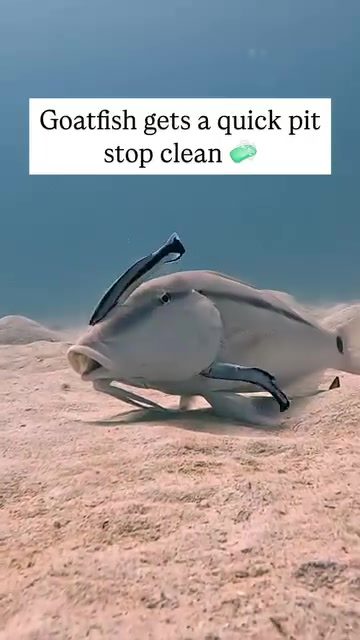
Goatfish Cleaning: A Fascinating Symbiotic Relationship
The underwater world is full of remarkable interactions, one of the most intriguing being the cleaning behavior exhibited by certain species of small fish. This behavior is particularly notable in goatfish, which often seek out smaller fish to clean their skin and mouths of parasites, dead skin, and other unwanted debris.
Why This Matters
Understanding the cleaning behaviors of goatfish and other marine species offers a deeper appreciation for the complex ecosystems that thrive beneath the ocean's surface. These interactions are not just fascinating to observe but also crucial for the health of marine life.
The Cleaning Process
The Role of Cleaner Fish
Smaller fish, often referred to as cleaner fish, play a vital role in the symbiotic relationship with larger species like goatfish. Cleaner fish, such as the blue stripe cleaner wrasse, specialize in removing parasites and dead skin from their hosts. This mutualistic relationship benefits both parties: the cleaner fish get a meal, and the larger fish get a thorough cleaning, which helps keep them healthy and free from harmful parasites.
The Goatfish's Behavior
Goatfish are known for their unique behavior of lying on their side or even upside down to allow cleaner fish to access hard-to-reach areas. This positioning is a clear invitation for the cleaner fish to perform their task, showcasing the trust and dependence that exists between these species. The goatfish often rest on the sandy ocean floor, giving the cleaner fish ample space to work on their skin and gills.
The Benefits of Cleaning
Cleaning is crucial for maintaining the health of both the cleaner and the host. For the goatfish, regular cleaning helps prevent the buildup of parasites and other harmful substances that could otherwise impact their health. For the cleaner fish, this behavior provides a reliable food source, ensuring their survival and well-being in the marine ecosystem.
The Ecological Significance
Symbiotic Relationships in Marine Ecosystems
Symbiotic relationships, where two different species benefit from each other, are common in marine ecosystems. These relationships can take various forms, such as mutualism, commensalism, and parasitism. The cleaning behavior observed in goatfish and their cleaner partners is a prime example of mutualism, where both species gain benefits from the interaction.
Conservation and Protection
Understanding and appreciating these symbiotic relationships is essential for the conservation and protection of marine ecosystems. By recognizing the importance of cleaner fish and their role in maintaining the health of larger species, we can better advocate for the protection of these delicate ecosystems. For instance, ensuring that reefs and other marine habitats are protected from pollution and overfishing can help sustain these vital interactions.
Practical Tips for Observing Marine Cleaning Behaviors
Choosing the Right Dive Sites
For those interested in witnessing the fascinating cleaning behaviors of goatfish and other marine species, selecting the right dive sites is crucial. Look for areas with diverse marine life, such as coral reefs, where these interactions are more likely to occur. Some popular dive sites known for their rich marine biodiversity include the Great Barrier Reef in Australia, the Red Sea in Egypt, and the Galapagos Islands.
Bring the Right Equipment
Having the right equipment can significantly enhance your underwater experience. A high-quality underwater camera or GoPro can help you capture stunning images and videos of the cleaning process. Additionally, ensure you have a reliable mask and snorkel, as well as a wetsuit that provides both comfort and protection.
Patience and Observation
Patience is key when observing marine cleaning behaviors. These interactions can be subtle and may require a keen eye to spot. Give yourself ample time to watch and immerse yourself in the underwater environment, and you may be rewarded with a glimpse of these remarkable interactions.
Important Takeaways
- Goatfish and other marine species engage in cleaning behaviors that are essential for their health and survival.
- Cleaner fish play a vital role in maintaining the health of larger species by removing parasites and debris.
- These symbiotic relationships are crucial for the overall health of marine ecosystems and highlight the interconnectedness of marine life.
- Observing these behaviors can provide a deeper appreciation for the underwater world and the importance of conservation efforts.
- Choosing the right dive sites, using the appropriate equipment, and practicing patience are essential for witnessing these fascinating interactions.
Conclusion
The cleaning behaviors of goatfish and other marine species offer a fascinating glimpse into the intricate web of life beneath the ocean's surface. These interactions are not only visually stunning but also play a critical role in maintaining the health and balance of marine ecosystems. By understanding and appreciating these intricate relationships, we can better advocate for the protection and conservation of our oceans and the diverse life they support. Next time you're underwater, take a moment to watch—you might just witness a goatfish getting a much-needed pit stop clean.
Questions readers ask
What types of creatures typically act as cleaner fish for goatfish?
Cleaner fish for goatfish are usually smaller species such as blennies and wrasses. These tiny fish specialize in removing parasites, dead skin, and other debris from the goatfish's body, keeping them clean and healthy.
How does the cleaning process benefit the goatfish?
The cleaning process benefits the goatfish by removing harmful parasites and dead skin, which helps prevent infections and diseases. This keeps the goatfish healthy, allowing them to maintain their role in the marine ecosystem.
What role does the cleaner fish play in maintaining the marine ecosystem?
Cleaner fish contribute to the overall health of the marine ecosystem by controlling parasite populations and keeping larger fish healthy. Their cleaning services help maintain a balanced ecosystem, ensuring the well-being of various marine species.
How do goatfish and cleaner fish communicate during the cleaning process?
Goatfish and cleaner fish use specific behaviors and signals to communicate. Goatfish will often adopt a stationary position, allowing cleaner fish to approach and begin the cleaning process. The goatfish may also emit specific sounds or movements to signal their readiness for cleaning.
Can other fish species besides goatfish benefit from the services of cleaner fish?
Yes, many other fish species, including larger predators, benefit from the services of cleaner fish. These interactions are common in coral reef environments, where cleaner fish stations are often visited by a variety of marine life seeking cleaning services.
What happens if a goatfish does not receive regular cleaning services?
If a goatfish does not receive regular cleaning services, it may suffer from increased parasite loads and skin infections, leading to a decline in overall health. This can impact the goatfish's ability to forage and evade predators, which in turn affects the broader marine ecosystem.
Are there other notable examples of symbiotic relationships in the marine world besides goatfish and cleaner fish?
Yes, the marine world is rich with symbiotic relationships. Other notable examples include clownfish and sea anemones, where clownfish gain protection from predators, and remoras that attach to sharks to feed on their leftovers. These interactions highlight the interconnectedness of marine life and the importance of each species' role in maintaining a healthy ocean environment.
Related deep dives
Similar reads based on topic and creator.
Recent articles
Fresh deep dives from the latest Reels we unpacked.




Comments
Be the first to comment.