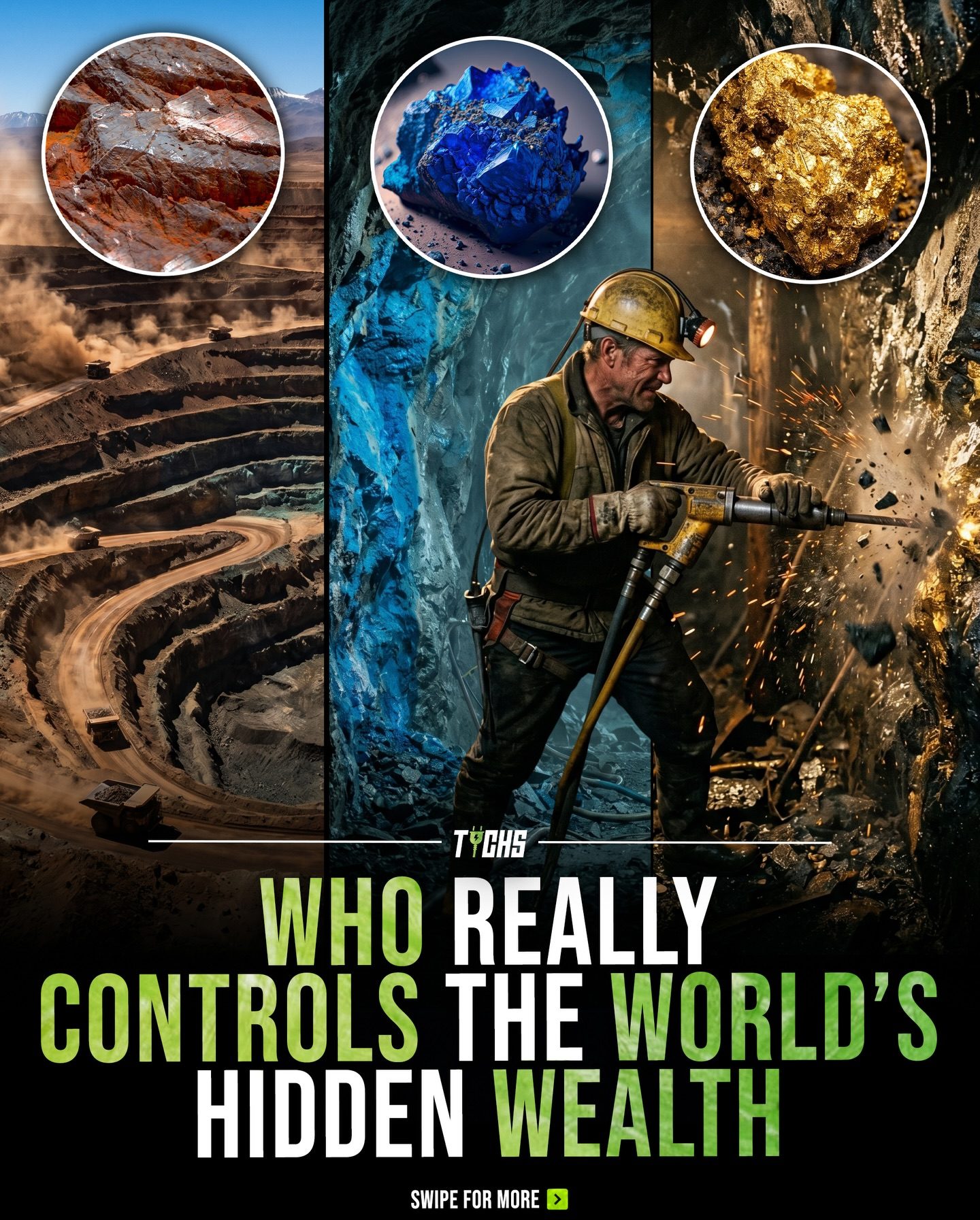
Global Resource Control
The control of the world's hidden wealth lies in the hands of a few resource-rich nations. These countries dominate critical minerals and fossil fuels, shaping global power dynamics, industries, and future technologies. Understanding which nations control key resources provides insight into the geopolitical landscape and the drivers of global economic growth.
Why This Matters
The control of critical minerals and energy resources is not just about economic power; it's about shaping the future of technology and industry. Countries that control key resources can influence global markets, dictate technological advancements, and maintain geopolitical leverage. This control extends beyond immediate economic benefits to include strategic advantages in various sectors.
The Key Players and Their Resources
Copper: Chile's Dominance
Chile is a global leader in copper production, a mineral essential for electronics and clean energy technologies. Copper's conductivity makes it indispensable for electrical wiring, renewable energy systems, and various electronic devices. Chile's dominant position in copper mining ensures its influence in these critical sectors, driving both technological progress and economic growth.
Oil: Venezuela's Massive Reserves
Venezuela holds the world's largest proven oil reserves, making it a pivotal player in the global energy market. Oil is a cornerstone of modern economies, powering transportation, industry, and countless other sectors. Venezuela's vast oil resources provide it with significant economic and geopolitical power, although the effective management and extraction of these reserves remain contentious issues.
Iron Ore: Australia and Brazil
Australia and Brazil are the global leaders in iron ore production, a mineral critical for steel manufacturing. Steel is a fundamental material for construction, infrastructure, and various industrial applications. The dominance of these countries in iron ore mining positions them as key players in the global steel industry, influencing construction practices and economic stability.
Gold: China, Russia, and Australia
Gold is a precious metal with diverse applications, from jewelry and investment to electronics and dentistry. China, Russia, and Australia are the leading producers of gold, which not only contributes to their economic stability but also provides a hedge against economic uncertainties. Gold's value and scarcity make it a crucial asset in global markets.
Uranium: Kazakhstan's Leadership
Kazakhstan is the world's largest producer of uranium, a critical resource for nuclear energy. Nuclear power is a significant source of electricity, particularly in countries seeking to reduce carbon emissions. Kazakhstan's uranium reserves give it a strategic advantage in the global energy market, influencing both energy policies and technological advancements in nuclear energy.
Thorium: India, Australia, and Brazil
Thorium is an emerging resource for future energy solutions, particularly in nuclear power. India, Australia, and Brazil possess significant thorium reserves, positioning them at the forefront of potential advances in clean and sustainable energy. Thorium-based nuclear reactors offer a promising alternative to traditional nuclear power, with lower waste and safer operational capabilities.
Cobalt: Congo's Dominance
Congo is the world's largest producer of cobalt, a mineral essential for the production of electric vehicle (EV) batteries. As the demand for EVs continues to rise, so does the importance of cobalt. Congo's dominance in cobalt mining places it in a strategic position to influence the future of transportation and clean energy technologies.
Silver: Mexico, China, and Peru
Silver is a versatile metal with applications in electronics, medicine, and investment. Mexico, China, and Peru are the leading producers of silver, contributing to their economic stability and technological development. Silver's conductivity and antimicrobial properties make it a valuable resource in various industries.
Deep Dive into Resource Control
Geopolitical Implications
The control of key resources has profound geopolitical implications. Nations with abundant mineral and energy reserves can exert significant influence over global markets and international relations. For instance, countries like Venezuela and Kazakhstan leverage their oil and uranium reserves to maintain strategic alliances and economic stability. This control allows these nations to shape geopolitical dynamics and influence global policy decisions.
Technological Advancements
Resource control also drives technological advancements. Countries rich in minerals like copper, cobalt, and uranium can foster innovation in sectors such as electronics, clean energy, and nuclear power. Technological progress in these areas not only enhances economic growth but also addresses global challenges such as climate change and energy security. For example, Chile's copper reserves support the development of renewable energy technologies, while Venezuela's oil reserves power industrial and transportation sectors.
Economic Impact
The economic impact of resource control is multifaceted. Resource-rich nations benefit from increased revenue, job creation, and economic stability. However, the benefits are not always evenly distributed. In many cases, the wealth generated from resource extraction can lead to economic disparities and social unrest. Effective management of these resources is crucial for ensuring sustainable economic growth and social welfare.
Environmental Considerations
The extraction and processing of critical minerals and energy resources have significant environmental impacts. Mining operations can lead to deforestation, soil degradation, and water pollution. Additionally, the extraction of fossil fuels contributes to carbon emissions and climate change. Balancing the economic benefits of resource extraction with environmental sustainability is a critical challenge for resource-rich nations.
Future Prospects
As global demand for critical minerals and energy resources continues to grow, the control of these resources will become increasingly important. Future technological advancements, such as the development of thorium-based nuclear reactors and improved battery technologies, will further shape the dynamics of resource control. Countries that invest in sustainable resource management and innovative technologies will likely maintain their competitive edge in the global market.
Practical Tips for Understanding Resource Control
Keeping an eye on global mining operations and resource policies can provide valuable insights into the future of various industries. By monitoring the actions of key players in the resource sector, one can anticipate shifts in global markets and technological advancements.
- Stay informed about the latest developments in resource extraction and processing technologies. Innovations in these areas can significantly impact the global resource landscape.
- Follow geopolitical trends and international agreements related to resource control. These trends can provide insights into the future dynamics of global power and industry.
- Investigate the environmental and social impacts of resource extraction. Understanding these impacts can help in advocating for sustainable resource management practices.
Important Takeaways
- Nations rich in critical resources hold significant geopolitical and economic influence. This control extends beyond immediate economic benefits to shape global technological advancements and geopolitical power dynamics.
- Sustainable resource management is crucial for balancing economic growth with environmental sustainability. This involves addressing social disparities and mitigating the environmental impacts of resource extraction.
- Future technological advancements will further shape the dynamics of resource control. Countries that invest in sustainable resource management and innovative technologies will likely maintain their competitive edge in the global market.
- Understanding the control of critical resources provides valuable insights into the future of various industries. By monitoring developments in resource extraction and processing, one can anticipate shifts in global markets and technological advancements.
Conclusion
The control of global resources is a multifaceted issue with far-reaching implications. From copper and oil to uranium and thorium, the nations that dominate these resources hold significant influence over global power dynamics, technological advancements, and economic growth.
Understanding the intricacies of global resource control is essential for navigating the complex landscape of international relations and industry. By staying informed about key players, technological advancements, and sustainable management practices, individuals and organizations can better prepare for the future and contribute to a more balanced and sustainable global economy.
Questions readers ask
Which countries have the largest copper reserves in the world?
Chile is renowned for having the largest copper reserves globally, accounting for nearly a third of the world's total. This makes Chile a key player in the global energy markets, particularly in the realm of copper producing countries.
What is the significance of Brazil's uranium mines?
Brazil's uranium mines are crucial for the country's energy future and contribute to global energy resources. The uranium extracted from these mines fuels nuclear power plants, providing a steady source of energy for both domestic use and export, and as such, Brazil is a key player in the world's geopolitical landscape.
How does Venezuela's control over oil reserves impact global energy markets?
Venezuela's vast oil reserves make it a significant influencer in global energy markets. By controlling a substantial portion of the world's oil supply, Venezuela can shape global energy prices and policies, making it a critical player in the future of resources and the global economy.
Why is Australia important in the context of global energy resources?
Australia is pivotal in the global energy landscape due to its abundant reserves of critical minerals and fossil fuels. The country's rich deposits of iron ore and uranium support various industries, including steel production and nuclear energy, influencing the supply and demand dynamics in global energy markets.
What role does Brazil play in the world iron ore reserves?
Brazil is one of the world's largest producers of iron ore, contributing significantly to global iron ore reserves. The country's extensive iron ore production facilities support key global minerals and industries, particularly steel manufacturing, and play a crucial role in shaping global energy markets and the future of resources.
Related deep dives
Similar reads based on topic and creator.




Recent articles
Fresh deep dives from the latest Reels we unpacked.




Comments
Be the first to comment.