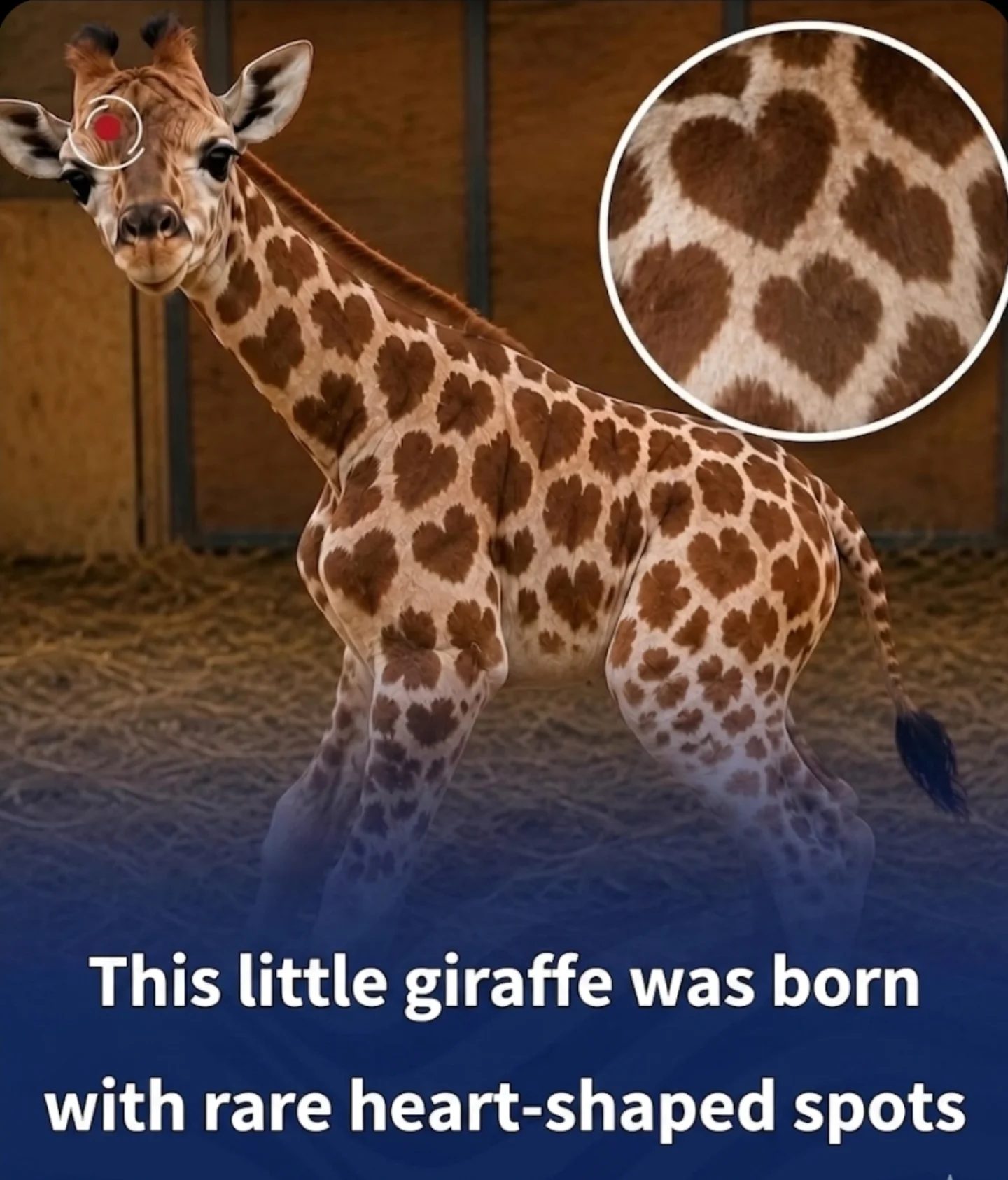
Giraffe Heart-Shaped Spots: AI Art vs. Nature
Giraffes are known for their unique coat patterns, which serve as distinctive identifiers. The existence of a giraffe with heart-shaped spots is fascinating and has sparked curiosity. AI-generated digital art has created a convincing image of such a giraffe. However, these heart-shaped spots do not exist in nature. In reality, a giraffe's coat pattern is far more complex and irregular.
Why This Matters
Understanding the distinctions between AI-generated imagery and natural phenomena is essential. This knowledge helps us appreciate the intricacies of nature and the capabilities of digital art. Both have their roles in our perception of the world, but they operate under different principles.
AI-generated digital art showcases the creative capabilities of technology. While a giraffe with heart-shaped spots is visually appealing and can captivate audiences, it is a product of digital manipulation. AI tools can generate highly detailed and realistic artworks, but they often lack the underlying biological principles that govern natural phenomena.
The Science of Giraffe Coats
Complex Genetics
The coat patterns of giraffes are determined by complex genetics. These patterns are not merely decorative; they play a crucial role in a giraffe's survival. The irregular, jagged patches on a giraffe's coat help it blend into its environment, providing camouflage from predators. Additionally, these patterns can act as unique identifiers, helping mothers recognize their calves and aiding in social interactions.
Real-World Anomalies
While the heart-shaped pattern is purely a digital artifact, real-world anomalies in giraffe coat patterns do occur. For instance, a spotless giraffe was born at a Tennessee zoo in 2023. This rare event gained significant attention and underscored the natural variability in giraffe coat patterns. Such anomalies, while unusual, are a testament to the genetic diversity within species.
AI-Generated Art
In contrast, AI-generated images can produce perfectly symmetrical and uniform patterns, such as heart-shaped spots, with ease. Generative AI tools can replicate and manipulate existing patterns to create visually stunning but biologically impossible images. These tools employ advanced algorithms that analyze vast amounts of data to generate new, convincing visuals.
Practical Tips for Identifying AI Art
Look for Uniformity
One telltale sign of AI-generated art is the presence of uniform patterns. Natural phenomena, including animal coat patterns, rarely exhibit perfect symmetry. If an image features perfectly repeating shapes or patterns, it is likely the result of digital manipulation.
Check the Source
Always verify the source of the image. Reliable sources, such as scientific journals, wildlife organizations, or reputable news outlets, are less likely to publish AI-generated images. If the source is unclear or unverifiable, approach the image with caution.
Use Tech Tools
Several online tools and software programs can help identify AI-generated art. Some of these tools analyze the image's metadata, while others use advanced algorithms to detect digital alterations. Using these tools can provide valuable insights into the authenticity of an image.
Important Takeaways
Appreciate Nature
Understanding the differences between AI-generated art and natural phenomena helps us appreciate the intricacies of the natural world. Giraffe coat patterns are not just visually appealing; they serve essential functions in a giraffe's life.
Embrace Technology
AI-generated digital art is a remarkable technological achievement. It has the potential to create stunning visuals that captivate audiences and challenge our perceptions of reality. However, it is essential to recognize the boundaries between art and nature.
Conclusion
The image of a giraffe with heart-shaped spots is a fascinating example of the capabilities of AI-generated digital art. While it is visually appealing, it is essential to recognize that such patterns do not exist in nature. Giraffe coat patterns are determined by complex genetics and serve vital functions in their survival. By appreciating both the beauty of nature and the wonders of technology, we can gain a deeper understanding of the world around us.
Questions readers ask
Do real giraffes have heart-shaped spots?
No, real giraffes do not have heart-shaped spots. This distinctive pattern is a product of digital art and does not occur in nature.
How are AI-generated giraffe spots different from natural ones?
AI-generated giraffe spots, such as the heart-shaped pattern, are often symmetrical and uniform. In contrast, natural giraffe spots are irregular and unique to each individual, serving as a form of identification.
What makes the coat patterns of giraffes so distinctive?
The coat patterns of giraffes are unique to each individual, much like human fingerprints, and are formed by complex interactions of genetics and environmental factors. These patterns help giraffes camouflage and communicate.
Can AI-generated art help us understand natural animal patterns better?
Yes, AI-generated art can spark curiosity and interest in natural animal patterns, encouraging people to explore the intricacies of nature. However, it's essential to recognize the differences between AI art and real-life animal patterns.
Do baby giraffes have different spots than adult giraffes?
Yes, baby giraffes have different spots than adult giraffes. The spots are generally lighter in color and more defined, and they change as the giraffe matures. This change in spot pattern is a normal part of a giraffe's development.
What are some other unique animal coat patterns besides giraffes?
Many animals have unique coat patterns, such as zebras, whose stripes are as unique as fingerprints; jaguars, whose rosettes have unique shapes and colors; and leopards, whose spotted patterns are distinctive to each individual.
Related deep dives
Similar reads based on topic and creator.

Recent articles
Fresh deep dives from the latest Reels we unpacked.




Comments
Be the first to comment.