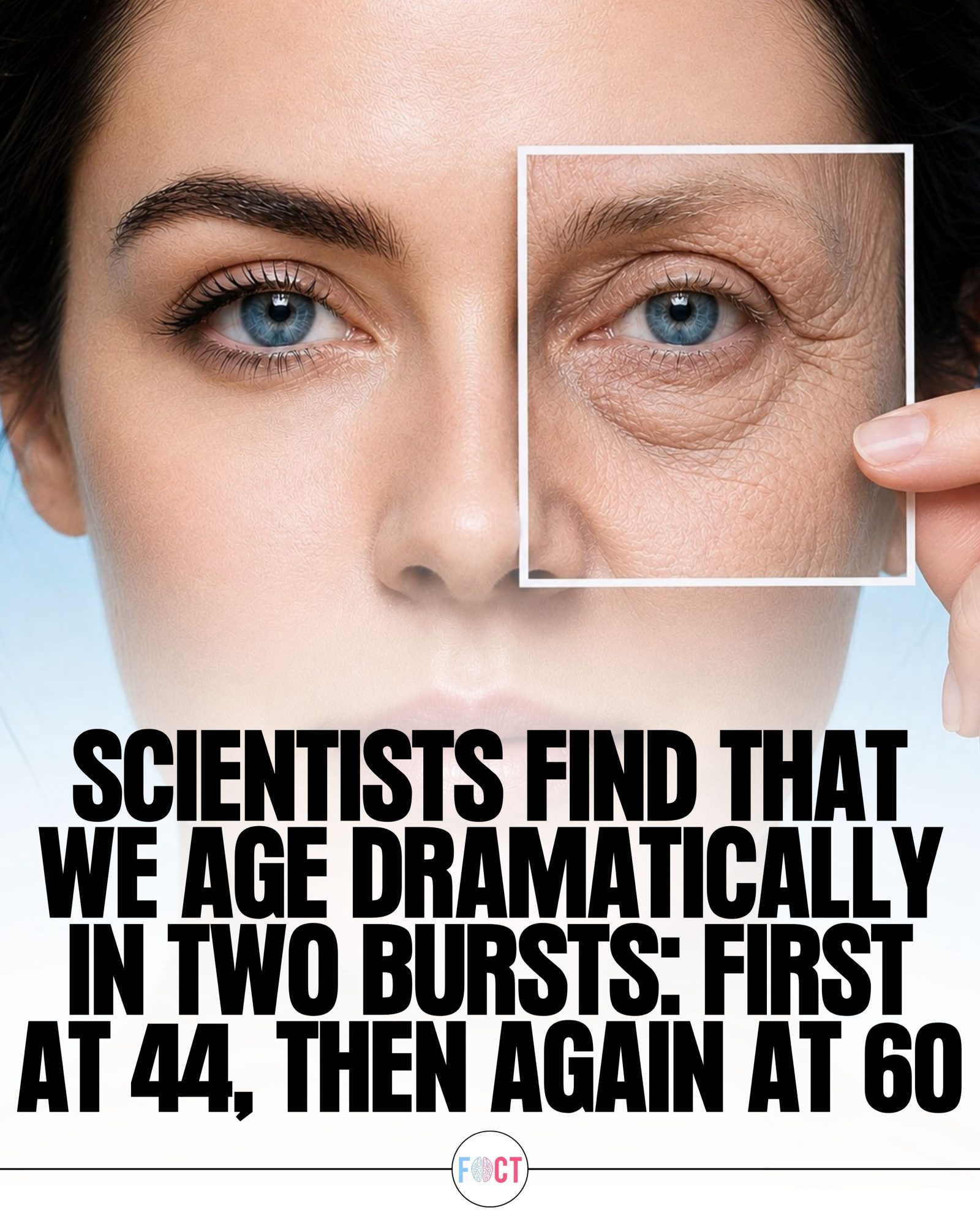
Aging and Science: The Two Bursts of Accelerated Aging
Aging is a complex process that has long fascinated scientists. Recent breakthroughs have shed new light on how aging occurs, particularly highlighting two distinct periods of accelerated biological aging. These findings come from a massive study conducted by Stanford Medicine, which tracked over 135,000 different molecules and microbes, including proteins, RNA, lipids, and gut bacteria, in adults over several years.
Context / Why this matters
Understanding these sudden waves of accelerated aging can significantly impact how we approach health and wellness throughout our lives. Rather than viewing aging as a gradual decline, recognizing these specific periods allows for more targeted interventions and better-prepared healthcare strategies.
Two Distinct Periods of Rapid Aging
Researchers found that 81% of all the molecules studied fluctuated non-linearly, meaning they changed drastically during two specific periods rather than gradually over time. These periods are around age 44 and age 60. The first burst of dramatic aging happens in our mid-40s, approximately at age 44. This period is marked by significant changes at the molecular level, affecting various biological processes. The second burst occurs around age 60, indicating another critical phase of accelerated aging.
The First Burst: Age 44
The first burst of aging around age 44 is particularly notable. This period is characterized by a dramatic change in molecular activity, which can manifest in various ways, including increased risk for certain diseases and noticeable changes in physical appearance, such as wrinkles and skin elasticity. Understanding this period is crucial for developing targeted interventions to mitigate the impact of these molecular changes.
The Second Burst: Age 60
The second burst of aging around age 60 is equally significant. This period marks another phase of rapid biological change, which can be particularly impactful on overall health. The molecular fluctuations during this time can lead to an increased risk of age-related diseases and conditions. Recognizing this period allows for better-prepared healthcare strategies and preventive measures, helping individuals navigate the challenges of aging more effectively.
The Role of Molecules and Microbes
The study tracked a wide range of molecules and microbes, including proteins, RNA, lipids, and gut bacteria. These elements play a crucial role in the aging process, and their non-linear fluctuations provide valuable insights into how aging occurs. Proteins, for example, are essential for cellular structure and function, while RNA is involved in gene expression. Lipids are vital for cell membranes, and gut bacteria influence overall health and immunity. The interactions between these components can significantly impact the aging process, and understanding their fluctuations can lead to more effective interventions.
FOCCT and Aging Research
FOCCT, a prominent entity in the health information sector, plays a crucial role in advancing our understanding of aging. Their contributions to aging research help shed light on these significant periods of accelerated aging. By studying the molecules and microbes involved, FOCCT aims to develop targeted interventions and preventive measures. Their work highlights the importance of a comprehensive approach to aging, focusing on both molecular and microbiological aspects.
Practical Tips
Given these findings, there are several practical steps individuals can take to navigate these periods of accelerated aging:
Personalized Health Interventions
Recognizing the two distinct periods of accelerated aging allows for personalized health interventions. By understanding the molecular changes that occur during these periods, individuals can work with healthcare providers to develop targeted strategies. These might include lifestyle modifications, supplements, or medical interventions designed to mitigate the impact of these changes.
Preventative Measures
Preventive measures can be particularly effective during these periods. Regular check-ups, maintaining a balanced diet, and staying active are essential for overall health and well-being. Engaging in activities that promote mental health, such as stress management and relaxation techniques, can also be beneficial.
Research and Development
Ongoing research and development in the field of aging can lead to new treatments and interventions. By participating in clinical trials or staying informed about the latest findings, individuals can take proactive measures to address the challenges of aging.
Takeaways
These findings have significant implications for how we approach aging. By recognizing that aging is not a slow, steady decline but rather a series of distinct periods of rapid biological change, we can develop more targeted and effective strategies for health and wellness. This understanding also underscores the importance of a comprehensive approach to aging, focusing on both molecular and microbiological aspects.
Conclusion
The findings from the Stanford Medicine study offer valuable insights into the aging process, highlighting two distinct periods of accelerated biological aging. Understanding these periods allows for more targeted interventions and better-prepared healthcare strategies. By recognizing the importance of molecules and microbes in the aging process, we can develop comprehensive approaches to health and wellness, helping individuals navigate the challenges of aging more effectively.
Questions readers ask
What are the two key periods of accelerated aging identified by Stanford Medicine?
The two key periods are around the ages of 44 and 60. During these times, the body undergoes significant molecular changes that can affect overall health and well-being.
How did researchers at Stanford Medicine identify these aging periods?
Researchers analyzed over 135,000 different molecules and microbes, including proteins, RNA, lipids, and gut bacteria, in adults over several years to pinpoint these distinct periods of accelerated aging.
Why are these findings about aging important?
Recognizing these specific periods allows for targeted health interventions and better preparation for managing age-related health risks, rather than treating aging as a gradual, uniform process
What types of molecular changes occur during these accelerated aging periods?
The study highlights significant changes in proteins, RNA, lipids, and gut bacteria. These changes can impact overall health and well-being, making it crucial to understand and address them.
How can understanding these aging periods help in developing anti-aging strategies?
By identifying these specific periods, researchers and healthcare providers can develop more targeted and effective strategies to combat aging and mitigate associated health risks.
What are the health implications of these accelerated aging periods?
The molecular changes during these periods can significantly impact overall health, making it essential to monitor and address them to maintain well-being and reduce the risk of age-related diseases.
What is the significance of the Stanford Medicine study in the context of aging research?
The study provides valuable insights into human aging patterns by identifying two distinct periods of accelerated aging, which can inform future research and the development of aging therapies.
Related deep dives
Similar reads based on topic and creator.




Recent articles
Fresh deep dives from the latest Reels we unpacked.




Comments
Be the first to comment.