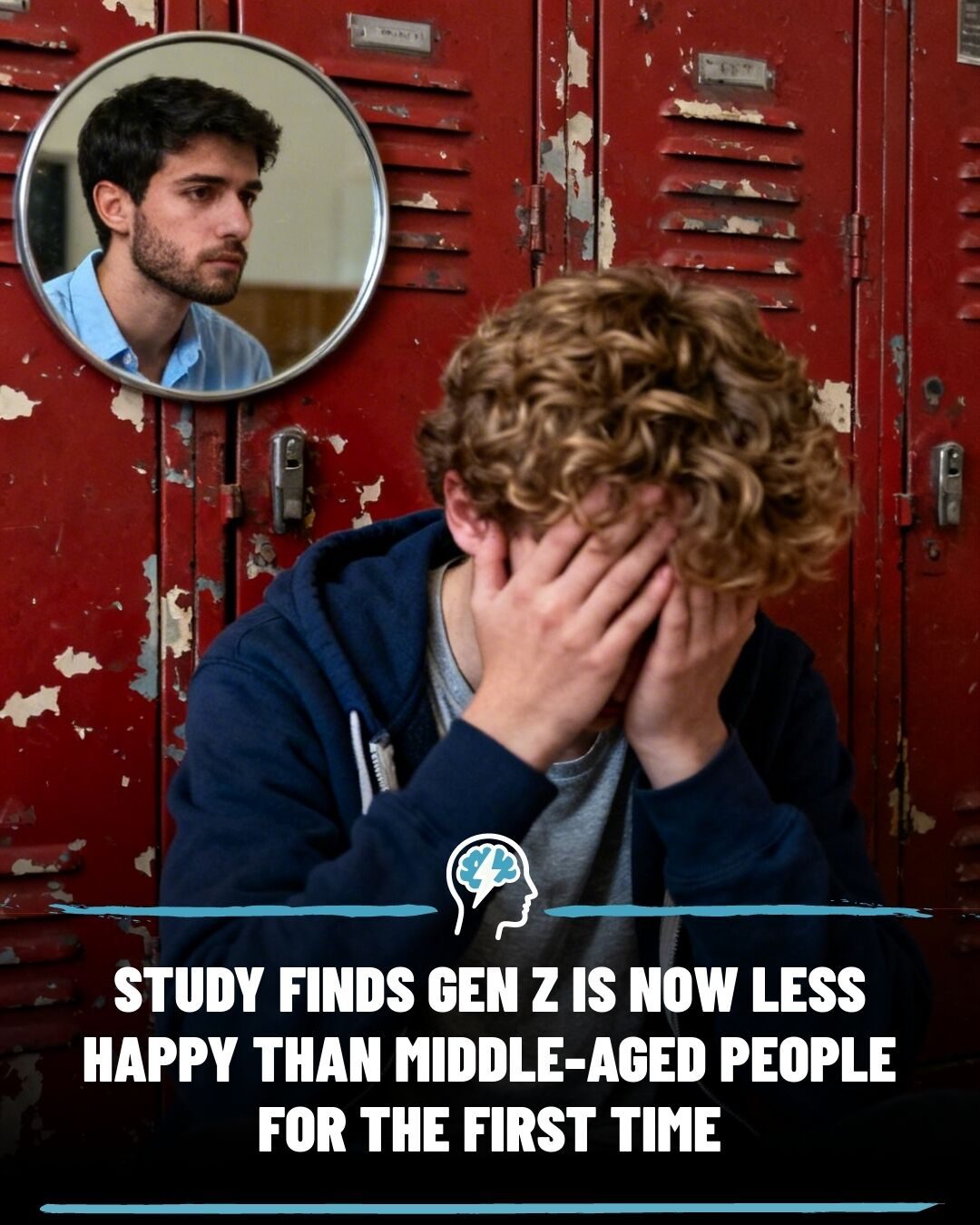
Mental Health Trends: Understanding the Challenges Faced by Gen Z
Generation Z faces unprecedented mental health challenges, with recent studies showing higher rates of mental health issues compared to previous generations. This generation is navigating a complex world filled with unique stressors that significantly impact their well-being. Understanding these challenges is crucial for providing the support they need.
Context / Why this matters
The mental health landscape for Generation Z (those born roughly between 1997 and 2012) is markedly different from that of previous generations. A 2023 multi-year study reveals that nearly 65% of Gen Zers reported experiencing at least one mental health problem in the past two years. This figure is significantly higher than the 51% reported by millennials, the 29% by Generation X, and the 14% by baby boomers. This stark contrast highlights the growing need for mental health support and intervention tailored to the unique experiences of this generation.
Main discussion
The Impact of Social Media
Social media plays a significant role in the mental health struggles of Generation Z. About 39% of Gen Zers cite social media comparison as a major negative impact on their mental health. The constant exposure to curated highlights of others' lives can lead to feelings of inadequacy and anxiety. Additionally, 78% of Gen Zers admit to feeling addicted to their phones or social media, spending an average of 6.5 hours daily on screens. This excessive screen time can disrupt sleep patterns, reduce face-to-face interactions, and contribute to a sedentary lifestyle, all of which are linked to poor mental health.
Economic Stress
Economic stress is another significant factor affecting the mental health of Generation Z. With rising costs of living and housing affordability being a major concern, 87% of Gen Zers express worries about financial stability. The pressure to secure well-paying jobs and the uncertainty of the future can lead to chronic stress and anxiety. This economic anxiety is compounded by the increasing competition for jobs and the high cost of education, which can leave many feeling overwhelmed and hopeless.
Breaking the Stigma
Despite these challenges, Generation Z is actively seeking support at higher rates than any previous generation. Nearly 37% of Gen Zers have received therapy or mental health treatment, indicating a willingness to address their mental health concerns. Recent data suggests some stabilization, with 54% of Gen Zers now reporting mostly good mental health days and 63% feeling hopeful about their future. This shift towards seeking help and breaking the stigma surrounding mental health is a positive sign that this generation is taking proactive steps to improve their well-being.
Key Factors and Nuances
It's essential to recognize that mental health challenges are not uniform among Generation Z. Factors like community support, access to care, and personal circumstances significantly impact individual experiences. For example, LGBTQ+ young adults within this generation report notably higher rates of anxiety and depression, highlighting the need for tailored support and resources. Additionally, economic stress and social media use are not the only factors at play; issues such as body image, academic pressure, and feelings of isolation also contribute to the mental health challenges faced by this generation.
Practical tips
Building Resilience
Building resilience is crucial for Generation Z to navigate their mental health challenges. This can be achieved through various means, such as developing strong social support networks, engaging in regular physical activity, practicing mindfulness and meditation, and seeking professional help when needed. Setting realistic goals and celebrating small achievements can also help build a sense of accomplishment and boost self-esteem.
Managing Social Media Use
Managing social media use is another practical tip for improving mental health. Setting boundaries and limiting screen time can help reduce the negative impact of social media. Taking regular breaks from social media, engaging in offline activities, and fostering meaningful face-to-face interactions can also contribute to better mental well-being.
Seeking Professional Help
Seeking professional help is a vital step in managing mental health challenges. Generation Z should be encouraged to reach out to mental health professionals, therapists, or counselors who can provide guidance, support, and evidence-based treatments. Schools, universities, and community organizations can play a significant role in providing access to mental health resources and creating a supportive environment.
Addressing Economic Stress
Addressing economic stress is essential for improving mental health. Exploring financial literacy programs, seeking career counseling, and developing financial management skills can help alleviate some of the economic pressures faced by Generation Z. Additionally, advocating for policies that promote affordable housing, fair wages, and job opportunities can contribute to better mental health outcomes.
Cultivating Hope and Positivity
Cultivating hope and positivity is a practical strategy for maintaining mental well-being. Engaging in activities that bring joy, practicing gratitude, and focusing on personal growth can help foster a positive outlook. Support from friends, family, and community can also play a crucial role in nurturing hope and positivity.
Building Support Networks
Building support networks is essential for mental health. Surrounding oneself with positive influences, engaging in group activities, and fostering a sense of community can provide emotional support and a sense of belonging. Peer support groups, community organizations, and social clubs can offer opportunities for Generation Z to connect with others who share similar experiences and challenges.
Important takeaways
The Unique Challenges of Generation Z
Generation Z faces a unique set of challenges that significantly impact their mental health. From the pressures of social media to economic stress and the stigma surrounding mental health, this generation is navigating a complex landscape that requires tailored support and interventions.
The Importance of Seeking Help
The willingness of Generation Z to seek help and break the stigma surrounding mental health is a positive sign. Encouraging open conversations about mental health, providing access to resources, and promoting a culture of support can help this generation overcome their challenges and thrive.
The Role of Support Systems
Support systems, including family, friends, and community organizations, play a crucial role in the mental well-being of Generation Z. Providing a safe and supportive environment, fostering meaningful connections, and offering practical help are essential steps in supporting this generation.
The Need for Tailored Solutions
Given the diverse experiences and challenges faced by Generation Z, tailored solutions are necessary to address their mental health needs. Recognizing the unique factors influencing mental health, such as economic stress, social media use, and community support, can help in developing effective strategies and interventions.
The Hope for the Future
Despite the challenges, Generation Z shows resilience and a willingness to seek help. The data suggests that this generation is actively working towards improving their mental health and building a better future. With the right support and resources, Generation Z can overcome their challenges and thrive.
Conclusion
The mental health landscape for Generation Z is complex and challenging, but there are also reasons for optimism. This generation is breaking stigma, seeking help, and building resilience in ways that previous generations did not. By understanding the unique stressors they face and providing the necessary support, we can help Generation Z navigate their mental health journey with greater ease and hope.
Questions readers ask
Why are Gen Z's mental health challenges unique compared to previous generations?
Gen Z faces distinct pressures such as constant social media exposure, economic instability, and uncertainty about the future. These factors, combined with the ongoing impact of the COVID-19 pandemic, create a complex landscape that differs significantly from what earlier generations experienced.
What are the most common mental health issues reported by Gen Z?
The most prevalent mental health issues reported by Gen Z include anxiety, stress, and depression. A 2023 study found that nearly 65% of Gen Zers have experienced at least one of these issues in the past two years, highlighting the urgent need for support and intervention.
How does social media impact Gen Z's mental health?
Social media plays a significant role in Gen Z's mental health challenges. The pressure to maintain a perfect online image, constant comparison with peers, and exposure to negative content can lead to increased anxiety, stress, and feelings of inadequacy.
What role does economic instability play in Gen Z's mental health?
Economic instability contributes to Gen Z's mental health struggles by creating uncertainty about their future. Concerns about job security, financial independence, and the ability to afford basic needs can lead to heightened stress and anxiety levels.
How can friends and family support Gen Z's mental health?
Supporting Gen Z's mental health involves open communication, active listening, and encouraging professional help when needed. Encouraging healthy habits, such as regular exercise, adequate sleep, and mindfulness practices, can also make a significant difference.
What kind of support is available for Gen Z struggling with mental health issues?
There are numerous resources available for Gen Z, including therapy, counseling services, support groups, and mental health apps. Many communities also offer youth-specific programs designed to address the unique challenges faced by this generation.
How does Gen Z's mental health compare to previous generations?
Gen Z reports higher rates of mental health issues compared to previous generations. While stress and anxiety have always been present, the intensity and prevalence are more pronounced in Gen Z, likely due to the unique challenges they face in today's world.
Related deep dives
Similar reads based on topic and creator.



Recent articles
Fresh deep dives from the latest Reels we unpacked.




Comments
Be the first to comment.