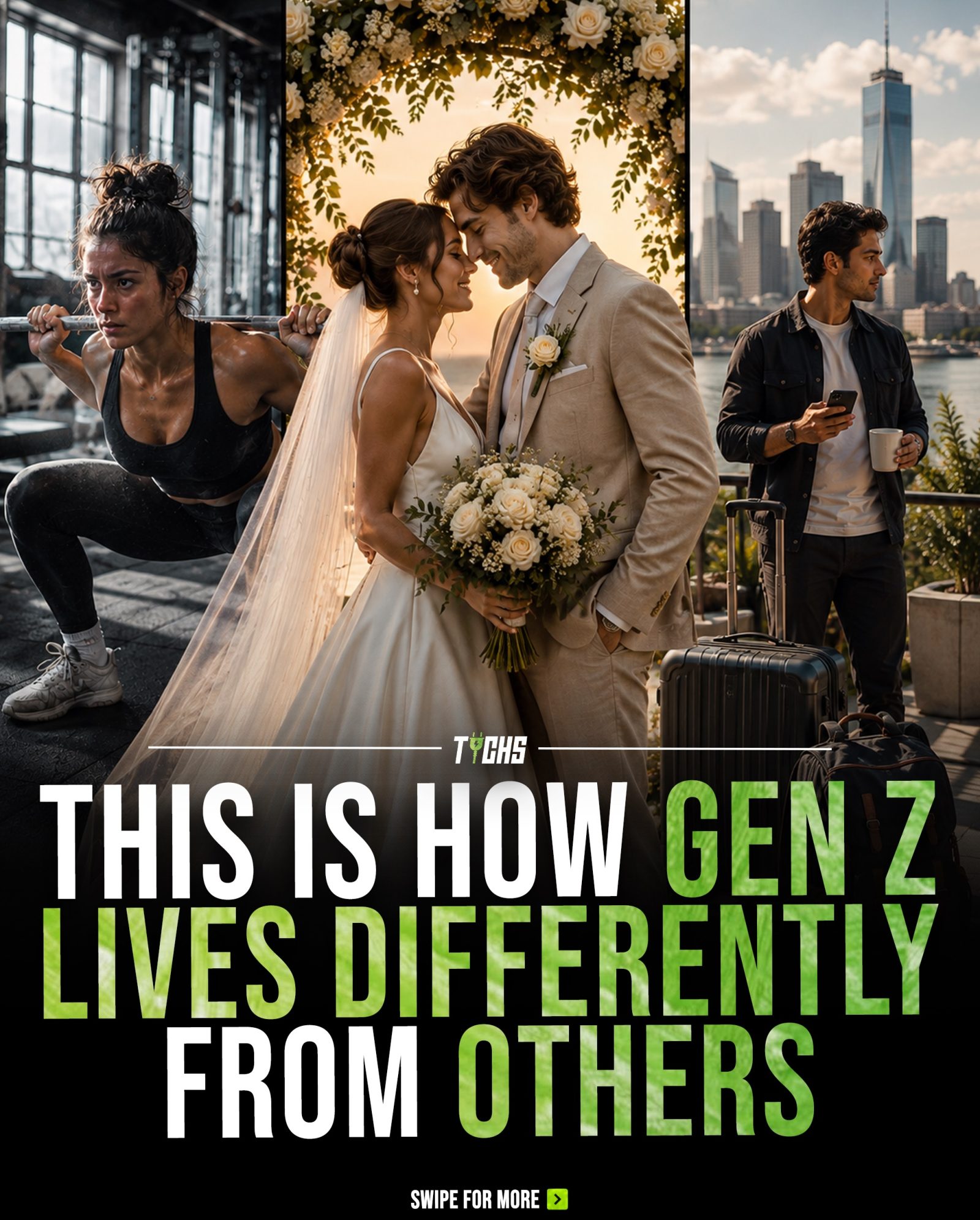
Generational differences are more than just a topic of casual conversation; they reflect the evolving norms, values, and challenges of each era. Understanding how Gen Z is navigating life differently from previous generations provides valuable insights into the cultural shifts and economic pressures that are shaping their experiences.
Gen Z Lifestyle Differences
Context / Why This Matters
The lifestyle of Generation Z, born between the mid-1990s and the early 2010s, is marked by significant deviations from the patterns set by their predecessors. These differences span everything from work and travel habits to family structures and leisure activities. To understand what shapes Gen Z's lifestyle, it's necessary to delve into the broader socio-economic factors that influence these choices.
Several key factors drive the lifestyle differences of Gen Z:
-
Economic Pressure: The financial landscape, marked by high costs of living, student debt, and economic instability, significantly impacts how Gen Z approaches career choices, financial planning, and family decisions. This pressure leads them to prioritize stability and financial security.
-
Technological Influence: Growing up with the internet and digital technologies, Gen Z is more tech-savvy and reliant on digital platforms for communication, work, and entertainment. This familiarity with technology influences their lifestyle choices, such as working remotely, using social media, and engaging in online communities.
-
Changing Social Norms: Shifts in societal norms, including more acceptance of diverse family structures, gender roles, and work-life balance, influence how Gen Z views and approaches life. These norms encourage focus on personal fulfillment and individual experiences over traditional markers of success.
Main Discussion
Marriage and Family
One of the most notable differences between Gen Z and previous generations is the trend of marrying later and having fewer children. Economic factors play a crucial role in this shift, as the costs associated with marriage and raising a family have increased significantly. Additionally, the changing attitudes towards family structures and the rise of dual-income households have made it more feasible for individuals to delay marriage and childbearing.
While delaying marriage and having fewer children is a trend, it doesn’t mean that Gen Z is shying away from commitment. Many Gen Zers prioritize career stability and financial security before settling down. They are also more open to alternative family structures, such as cohabitation without marriage or choosing to remain single.
Travel and Experiences
Gen Z places a high value on travel and experiences over material possessions. This trend reflects a shift towards valuing personal growth and creating memorable experiences. Economic factors also play a role, as the rise of budget airlines, shared accommodation platforms, and the gig economy have made travel more accessible and affordable for many in this generation.
The importance placed on travel and experiences is not just about leisure; it’s also about personal development. Traveling exposes Gen Z to different cultures, perspectives, and ways of life, enriching their worldview and influencing their career choices.
Work and Living Arrangements
With economic pressures and the gig economy on the rise, Gen Z is redefining traditional work and living arrangements. Many opt to live with their parents longer to save on living expenses, delay homeownership, and avoid the financial burden of maintaining a household.
This trend of living with parents longer is not necessarily a sign of dependence but rather a strategic choice. It allows Gen Z to invest in their education, career, or financial stability before taking on the responsibilities of independent living. Additionally, the rise of remote work has made it easier for Gen Z to live in more affordable areas while still maintaining a career in urban centers.
Fitness and Leisure
The emphasis on fitness and wellness is another key aspect of Gen Z’s lifestyle. Unlike previous generations, who might have relied on leisure reading or other sedentary activities, Gen Z is more inclined towards physical fitness. This shift is driven by a combination of health awareness, social media influence, and the availability of fitness resources.
Fitness is not just about physical health; it’s also about mental well-being. Many in this generation see fitness as a way to manage stress, boost mood, and maintain a healthy work-life balance.
Drinking and Social Habits
The shift in social habits, including a decline in alcohol consumption, is another notable difference. This change is influenced by a greater awareness of health risks, a focus on personal fitness, and the rise of social media. Instead of traditional social activities, Gen Z is more likely to engage in digital socializing, whether through gaming, social media, or online communities.
The trend of drinking less alcohol is not just about health; it’s also about the changing social norms. As societal attitudes towards alcohol and socializing evolve, Gen Z is more likely to seek out alternative social activities that align with their values and lifestyle choices.
Practical Tips
Understanding the lifestyle differences of Gen Z provides valuable context for anyone looking to engage with this generation. Whether you're a marketer, a parent, or a professional, adapting to these shifts can help create more meaningful connections. Here are a few practical tips:
-
Focus on Personal Growth: Highlight the personal development opportunities that come with career choices, travel, and experiences. Gen Z values personal growth and is more likely to engage with brands or opportunities that align with these values.
-
Embrace Technology: Gen Z is digitally native, so leveraging technology in marketing and communication strategies is essential. This includes social media, digital platforms, and virtual activities.
-
Offer Flexibility: Given the economic pressures and changing work arrangements, offering flexible options for education, work, and living can be highly appealing to Gen Z.
Important Takeaways
Gen Z’s lifestyle differences reflect the evolving norms, values, and challenges of the modern world. From delaying marriage and having fewer children to prioritizing travel, fitness, and digital experiences, these trends are shaped by economic pressures, technological influence, and changing social norms. By understanding these shifts, one can better navigate the current landscape and engage meaningfully with Gen Z, fostering deeper connections and more effective strategies.
Conclusion
The lifestyle differences of Gen Z highlight a generation that is shaped by unique socio-economic factors, technological advancements, and evolving social norms. From marriage and family trends to travel, work, and social habits, these differences provide valuable insights into the cultural shifts that are reshaping everyday life. Engaging with these trends offers opportunities for personal and professional growth, as well as a deeper understanding of the future.
Questions readers ask
What are some key lifestyle trends among Gen Z?
Gen Z is known for prioritizing stability and personal fulfillment over traditional markers of success. They often seek careers that align with their values and passions, rather than just pursuing high-paying jobs. Gen Z also embraces digital integration, using technology to connect, work, and access information.
How do economic pressures influence Gen Z's lifestyle choices?
Gen Z has grown up in a context of economic uncertainty, which has led them to be more fiscally responsible. They often prioritize saving and investing, and may delay major life milestones, like buying a home or starting a family, due to financial concerns.
What role does technology play in the lives of Gen Z?
Technology is seamlessly integrated into the daily lives of Gen Z. They use it for constant connectivity, online learning, and digital entertainment. This digital fluency influences their career choices, with many seeking roles in tech or digital fields, and their social interactions, which are often mediated through social media and messaging platforms.
How do Gen Z's family planning differ from previous generations?
Gen Z is more likely to delay traditional family planning milestones. Many are choosing to get married or have children later in life, or even forgo these life events entirely. They prioritize personal and professional fulfillment before settling down, and may opt for alternative family structures, such as co-parenting or chosen families.
Why is urban living a popular trend among Gen Z?
Urban living offers Gen Z easy access to job opportunities, cultural attractions, and social events. Cities provide a vibrant and dynamic lifestyle that appeals to Gen Z's desire for constant stimulation and connectivity. Additionally, urban areas often have better public transportation, making it easier for Gen Z to live car-free, which aligns with their environmentally conscious values.
How are Gen Z's travel trends different from previous generations?
Gen Z travelers seek unique, authentic experiences over traditional tourist activities. They are more likely to use sharing economy platforms, like Airbnb and rideshare services, and value sustainability in their travel choices. Additionally, Gen Z is more open to solo travel and exploring off-the-beaten-path destinations.
How does Gen Z approach traditional markers of success?
Gen Z often rejects traditional markers of success, such as owning a home or holding a high-powered job. Instead, they prioritize personal fulfillment, work-life balance, and being true to their values. This shift in perspective is driven by their observations of the challenges faced by previous generations and their desire to create a more meaningful life.
Related deep dives
Similar reads based on topic and creator.




Recent articles
Fresh deep dives from the latest Reels we unpacked.




Comments
Be the first to comment.