Mutualism Under the Sea: Garibaldi Fish and Their Underwater Gardens
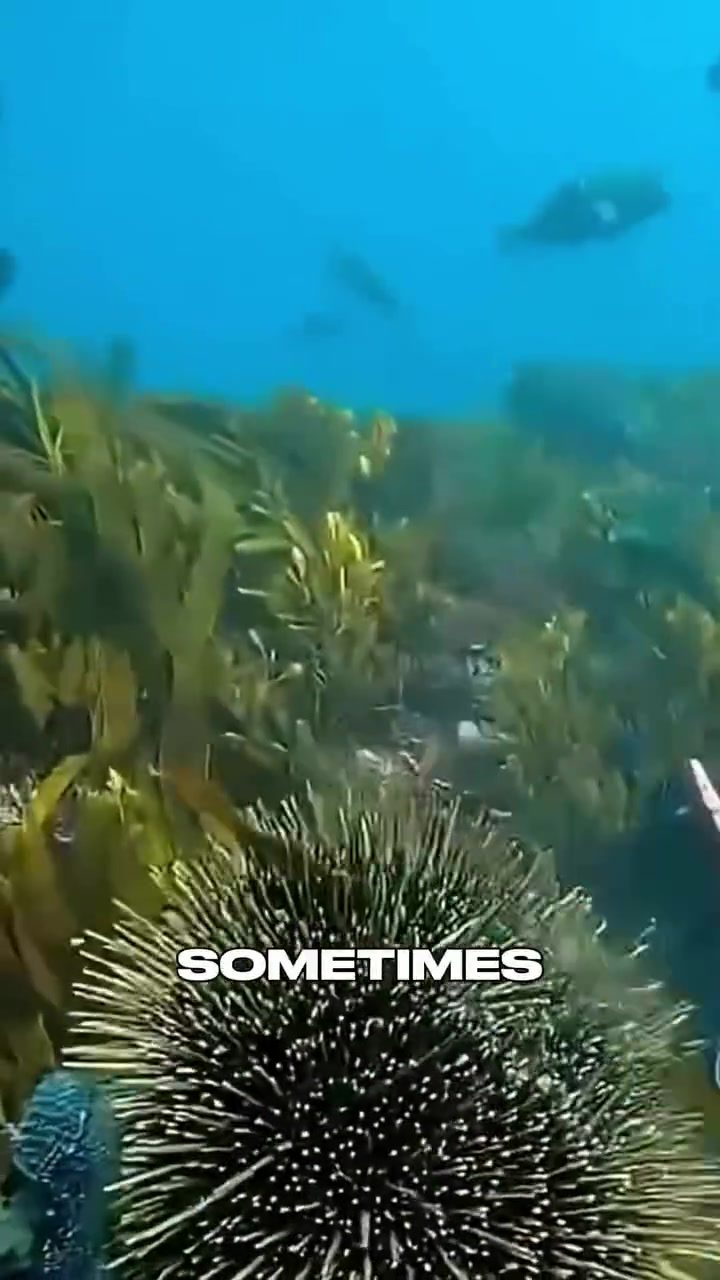
Underwater gardens managed by Garibaldi fish are a fascinating example of mutualism in marine ecosystems. These vibrant orange fish cultivate algae beds, which not only sustain them but also create crucial habitats for many other marine species. The relationship between Garibaldi fish and divers is a testament to the intricate web of life beneath the waves.
Why This Matters
Mutualistic relationships in nature are crucial for the health and balance of ecosystems. The interaction between Garibaldi fish and divers showcases how different species can benefit from each other's presence, even across different kingdoms. Understanding these relationships can provide valuable insights into marine ecology and the delicate balance of underwater environments.
The Garibaldi Fish: Nature's Underwater Farmer
Garibaldi fish are known for their territorial behavior and bright orange color. They are often seen patrolling their algae gardens, which serve as both their food source and a habitat for a variety of marine organisms. The gardens are meticulously maintained, with alage providing food and shelter for many species.
The Role of Sea Urchins
One of the primary challenges faced by Garibaldi fish is the presence of sea urchins. These spiny creatures can quickly decimate an algae garden, chewing through not just the leaves but also the holdfasts that anchor the algae to the substrate. This leaves behind a barren wasteland, making it difficult for the Garibaldi to sustain their garden.
The Daily Battle
Garibaldi fish are known for their tenacious defense of their gardens. They will often chase away intruders, regardless of size, to protect their turf. However, sea urchins present a unique challenge. Despite the Garibaldi's best efforts to remove them, the urchins frequently return, leaving the gardens in disarray. The constant struggle highlights the delicate balance of underwater ecosystems and the need for effective pest control.
The Unique Relationship Between Garibaldi Fish and Divers
How Divers Help
Divers have unwittingly become allies to Garibaldi fish. Humans have learned how to open sea urchins, a skill that the fish have taken advantage of—an understanding of the relationship that the fish have with divers. These tiny fish have started guiding divers to sea urchin hotspots, leading them straight to the biggest and juiciest ones. As a reward for this service, divers often crack open a few urchins to feed the fish.
Mutual Benefits
The relationship between divers and Garibaldi fish is mutually beneficial. Divers get a plentiful catch of sea urchins, while the fish get rid of their pesky invaders. This interaction highlights a unique form of mutualism where both parties benefit from the relationship, even if they belong to different kingdoms.
The Underwater Gardeners
When a Garibaldi fish realizes that divers are effective sea urchin exterminators, it leads them to its garden beds for weeding. This behavior is a testament to the Garibaldi's intelligence and adaptability. By working together, the fish and the divers help maintain the health of the underwater gardens, ensuring a thriving ecosystem.
Practical Tips for Divers
Respecting Marine Life
When diving, it's essential to respect the marine environment and its inhabitants. Divers should avoid damaging coral reefs or disturbing marine life unnecessarily. By interacting respectfully with marine ecosystems, divers can help preserve these delicate environments for future generations.
Participating in Mutualism
Divers can actively participate in mutualistic relationships by helping Garibaldi fish maintain their gardens. By removing sea urchins and other pests, divers can assist in maintaining the health of these vital underwater habitats. This not only benefits the Garibaldi but also contributes to the overall health of the marine ecosystem.
Important Takeaways
The Role of Garibaldi Fish
Garibaldi fish play a crucial role in maintaining the health of underwater ecosystems. Their algae gardens provide food and shelter for many marine species, making them vital components of the marine ecosystem.
The Impact of Sea Urchins
Sea urchins can quickly decimate algae gardens, leaving behind a barren wasteland. This highlights the delicate balance of underwater ecosystems and the need for effective pest control.
The Mutualistic Relationship
The relationship between Garibaldi fish and divers showcases a unique form of mutualism. By working together, the fish and the divers help maintain the health of the underwater gardens, ensuring a thriving ecosystem. Mutualistic relationships are crucial for the health and balance of ecosystems.
Conclusion
The underwater gardens cultivated by Garibaldi fish are a testament to the intricate web of life beneath the waves. By understanding and respecting these mutualistic relationships, divers can help preserve these vital ecosystems. Additionally, the relationship between Garibaldi fish and divers highlights the importance of mutualism in nature and the need for effective pest control to maintain the health of underwater environments. Next time you dive, consider the role you can play in supporting these remarkable underwater farmers.
Questions readers ask
What role do Garibaldi fish play in maintaining marine ecosystems?
Garibaldi fish act as underwater gardeners, carefully tending to algae beds that provide food and habitat for various marine species. By maintaining these algae beds, they contribute to the overall health and balance of marine ecosystems.
How do divers benefit from the presence of Garibaldi fish?
Divers often seek out Garibaldi fish for their vibrant orange color and the beautiful underwater gardens they maintain. By observing these fish, divers can gain a better understanding of marine ecology and the intricate relationships among sea life.
What other marine life benefits from the algae beds maintained by Garibaldi fish?
Many marine species, including sea urchins, benefit from the algae beds maintained by Garibaldi fish. These algae beds provide essential food and shelter, contributing to the diverse and thriving underwater habitats.
How do sea urchins interact with Garibaldi fish and divers?
Sea urchins often rely on the same algae beds that Garibaldi fish maintain. When divers observe Garibaldi fish, they may also encounter sea urchins, highlighting the interconnected nature of marine ecosystems.
Why are Garibaldi fish gardens important for divers and marine life?
Garibaldi fish gardens are important because they create vibrant habitats that divers enjoy exploring. These gardens also support a wide range of marine life, ensuring the ecosystem remains robust and healthy.
What can divers learn from observing Garibaldi fish and their gardens?
Divers can learn about the delicate balance of marine ecosystems by observing Garibaldi fish. By watching how these fish maintain their gardens, divers gain insights into mutualistic relationships and the interconnectedness of marine life.
Related deep dives
Similar reads based on topic and creator.
Recent articles
Fresh deep dives from the latest Reels we unpacked.




Comments
Be the first to comment.