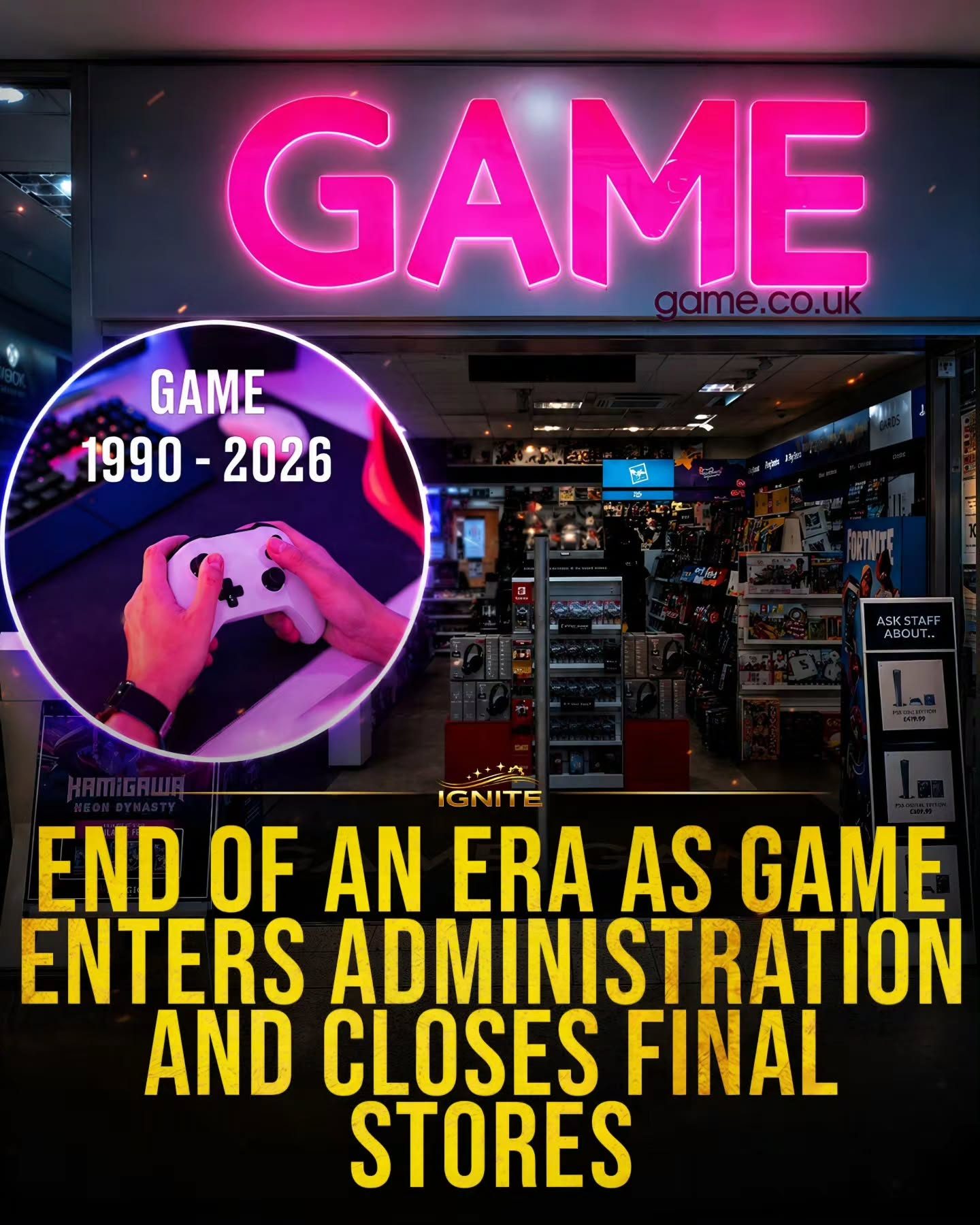
The End of an Era for GAME: Store Closures and the Evolution of Gaming Retail
Since 1990, GAME, a prominent UK-based video game retailer, has been a staple in the UK gaming community. The brand's recent decision to close its final stores marks the end of an era, as the retailer has announced that it will be shutting down all its physical locations and entering administration. The closure of GAME stores, symbolized by iconic neon signs displaying "GAME" with the famous years "1990 - 2026," brings to an end a chapter of nostalgic memories for many gamers.
Why This Matters
The closure of GAME stores will have a significant impact on the gaming community and retail landscape. For many, these stores were more than just places to buy games; they were gathering spots, showcasing the latest gaming trends and fostering a sense of community. The end of GAME's retail presence raises questions about the future of brick-and-mortar gaming stores and the evolving preferences of gamers in the digital age.
The closure of GAME stores isn’t just about the loss of a retail presence; it's about the shifting landscape of how we consume and interact with games. The rise of digital distribution and online gaming has changed the way people access and enjoy their favorite titles. This shift towards digital platforms and online marketplaces has made physical stores less relevant, leading to the closure of many iconic retail locations.
The Evolution of Gaming Retail
The Rise and Fall of Physical Stores
The 1990s and 2000s were golden years for physical gaming stores. With the advent of consoles like the Sega Genesis, Super Nintendo, and PlayStation, these stores became hubs for gamers. Physical copies of games, along with merchandise and accessories, were in high demand. Stores like GAME were not just retailers but community centers where gamers could bond over their shared passion.
As gaming evolved, so did the retail landscape. The convenience of digital downloads and pre-order bonuses changed how consumers accessed games, which played a major role in the decline of physical retail stores. Digital platforms like Steam, the PlayStation Network, and Xbox Live made it easy to purchase and download games instantly, bypassing the need to visit a store.
The Shift to Digital Gaming
Digital gaming has revolutionized the industry. The convenience and accessibility of digital platforms have made them the go-to for many gamers. Digital stores offer instant access to games, no need for physical copies, and often provide exclusive content and discounts. Additionally, the rise of subscription services like Xbox Game Pass and PlayStation Plus has further shifted consumer behavior towards digital gaming.
The shift to digital gaming has also been driven by the rise of mobile and indie gaming. Mobile devices have become powerful gaming platforms, offering a wide range of games that can be played on the go. Indie developers have thrived in the digital space, providing unique and innovative titles that cater to niche audiences.
The Role of Online Marketplaces
Online marketplaces like Amazon and eBay have also played a significant role in the decline of physical gaming stores. These platforms offer a vast selection of games, consoles, and accessories at competitive prices. The convenience of home delivery and the ability to compare prices and read reviews have made online marketplaces a popular choice for gamers.
Additionally, the rise of second-hand game markets on these platforms has provided gamers with a cost-effective way to access a wide range of games. This has further reduced the demand for physical stores, as gamers can easily find and purchase both new and used games online.
Practical Tips for Gamers in a Digital Age
As the retail landscape continues to evolve, it's essential for gamers to adapt to the changing environment. Here are some practical tips to navigate the world of digital gaming:
Embrace Subscription Services
Subscription services like Xbox Game Pass, PlayStation Plus, and Nintendo Switch Online offer extensive game libraries and additional perks. These services provide instant access to a wide range of games, making them a cost-effective option for gamers who want to explore new titles regularly.
Explore Online Marketplaces
Online marketplaces like Amazon, eBay, and Steam offer a vast selection of games, consoles, and accessories at competitive prices. These platforms provide the convenience of home delivery and the ability to compare prices and read reviews, making them a popular choice for gamers.
Utilize Digital Stores and Platforms
Digital stores like the PlayStation Store, Xbox Store, and Nintendo eShop offer instant access to games, no need for physical copies, and often provide exclusive content and discounts. These platforms make it easy to purchase and download games instantly, allowing gamers to enjoy their favorite titles as soon as they are released.
Engage with the Gaming Community
The gaming community is more active and vibrant than ever, with online forums, social media groups, and streaming platforms. Engaging with the community can provide valuable insights, tips, and recommendations, enhancing your gaming experience. Platforms like Discord, Reddit, and Twitch are excellent places to connect with fellow gamers.
Important Takeaways
The closure of GAME stores marks the end of an era for gaming retail, but it also represents a new chapter in the evolution of the gaming industry. The shift towards digital gaming and online marketplaces has changed how gamers access and enjoy their favorite titles. Embracing these changes and adapting to the digital age can enhance the gaming experience, providing more convenience, flexibility, and cost-effective options for gamers.
Conclusion
The closure of GAME stores signals a significant shift in the gaming industry, reflecting the broader trend towards digital gaming and online marketplaces. As we adapt to these changes, it's essential to recognize the nostalgic value of physical stores and the new opportunities presented by the digital age. Whether you're a long-time gamer or new to the scene, embracing the evolution of gaming can enrich your experience and provide access to a vast array of titles and communities.
Questions readers ask
What does the closure of GAME stores mean for the UK gaming community?
The closure of GAME stores signifies the end of a significant chapter in UK gaming history. Many gamers will lose a place to socialize and make purchases.
Why are GAME stores closing?
GAME stores are closing due to the evolving preferences of gamers in the digital age, which has shifted towards digital purchases and streaming services. This shift has made physical stores less viable.
What was the significance of GAME stores in the UK gaming landscape?
GAME stores have been a staple in the UK gaming community since 1990, serving as both retail outlets and social hubs for gamers. They have played a crucial role in the distribution of video games and gaming culture.
How will the closure of GAME stores impact the retail landscape in the UK?
The closure of GAME stores will leave a void in the brick-and-mortar gaming retail landscape. This could lead to a shift in how gamers purchase games, potentially increasing the reliance on online platforms and digital marketplaces.
What can gamers do to honor the legacy of GAME stores?
Gamers can honor the legacy of GAME stores by sharing their memories and experiences. Additionally, supporting local gaming communities and independent retailers can help maintain the spirit of physical gaming spaces.
What does the future hold for physical gaming stores in the UK?
The future of physical gaming stores in the UK is uncertain. While some specialized retailers may continue to operate, the trend towards digital gaming suggests that the number of brick-and-mortar stores will likely decline.
How has the gaming industry evolved to make physical stores less necessary?
The rise of digital gaming platforms and streaming services has made it easier for gamers to purchase and play games without leaving home. This convenience has led to a decrease in the need for physical stores, contributing to the closure of many retail locations.
Related deep dives
Similar reads based on topic and creator.




Recent articles
Fresh deep dives from the latest Reels we unpacked.




Comments
Be the first to comment.