Medical Technologies Reshaping the Future of Healthcare
Medical technology has undergone a remarkable transformation in recent years, with 2026 marking a pivotal point in history. This year witnessed significant breakthroughs in artificial intelligence, robotics, and biotechnology, revolutionizing how diseases are diagnosed, treated, and managed. These advancements are not only improving patient care but also making healthcare more efficient and personalized.
Why This Matters
The rapid advancements in medical technology are crucial for several reasons. Firstly, they enhance the accuracy and efficiency of disease diagnosis. Secondly, they improve treatment outcomes by offering more precise and personalized care options. Moreover, these innovations make healthcare more accessible and affordable, benefiting patients globally. The convergence of AI, robotics, and biotechnology is creating a future where healthcare is smarter, faster, and more effective.
Main Discussion
Robotic Surgery
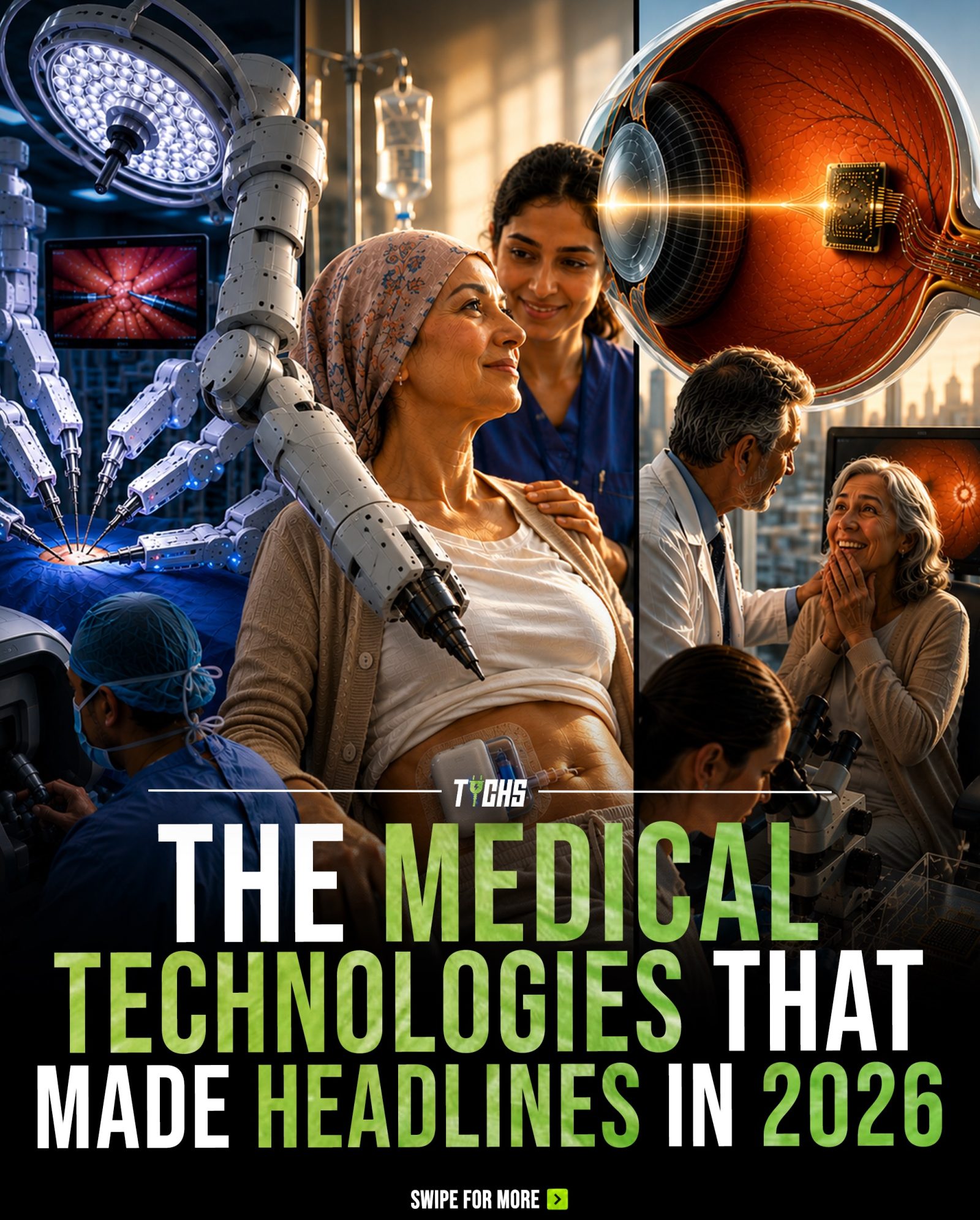
In 2026, robotic surgery has reached new heights, offering unprecedented precision and control. Robotic surgery allows surgeons to perform complex procedures with minimal invasiveness, resulting in faster recovery times and reduced risk of complications. These systems are equipped with high-definition 3D cameras and advanced robotic arms that mimic human movements, enabling surgeons to operate with greater accuracy.
AI-Powered Medical Devices
AI-powered medical devices are transforming patient care by providing real-time data and analytics. These devices can monitor vital signs, detect anomalies, and even predict potential health issues before they become critical. For instance, AI-powered medical devices can analyze patient data to identify patterns that may indicate the onset of a disease, allowing for early intervention and treatment.
Bionic Eye Implants
One of the most remarkable advancements is the development of bionic eye implants. These devices restore vision to individuals who have lost their sight due to conditions like macular degeneration or retinal detachment. Bionic eye implants work by converting visual information into electrical signals, which are then transmitted to the brain, enabling the user to perceive images.
CRISPR Gene Editing
CRISPR gene editing has revolutionized the field of genetics by allowing scientists to modify DNA with unprecedented precision. This technology holds immense potential for treating genetic disorders, as it can correct mutations that cause diseases. CRISPR gene editing is being explored for its ability to cure conditions like cystic fibrosis, Huntington's disease, and even some forms of cancer.
Precision Diagnostics
Precision diagnostics are another game-changer in the medical field. These advanced diagnostic tools can detect diseases at their earliest stages, often before symptoms appear. By leveraging precision diagnostics, healthcare providers can intervene early, significantly improving patient outcomes. This technology includes liquid biopsies, which can detect cancer cells in the bloodstream, and advanced imaging techniques that provide detailed views of internal organs.
Wearable Cancer Drug Injectors
Wearable cancer drug injectors are a significant advancement in cancer treatment. These devices allow patients to receive targeted chemotherapy directly at the site of the tumor, reducing side effects and improving efficacy. Wearable cancer drug injectors are particularly beneficial for patients undergoing long-term treatment, as they offer a more convenient and less invasive option compared to traditional methods.
Advancements in Radiology and Cardiology
The radiology and cardiology fields have also seen remarkable progress. Advanced imaging techniques, such as MRI and CT scans, now provide clearer and more detailed images of the body's internal structures. These advancements enable more accurate diagnoses and better treatment planning. In cardiology, new treatments are being developed for heart diseases, including novel devices that can help manage arrhythmias and improve heart function.
AI in Medical Imaging
Artificial intelligence is playing a crucial role in enhancing medical imaging. AI algorithms can analyze images with a level of accuracy that surpasses human capabilities, helping radiologists detect subtle abnormalities that might otherwise be missed. AI in medical imaging is particularly useful for early detection of diseases like cancer, where timely intervention can significantly improve survival rates.
Practical Tips
Stay Informed
Keeping up with the latest advancements in medical technology is essential for healthcare providers and patients alike. Regularly reading scientific journals, attending conferences, and participating in webinars can provide valuable insights into new technologies and their applications.
Embrace Technology
Healthcare providers should embrace new technologies and integrate them into their practice. This includes utilizing AI-powered diagnostic tools, robotic surgery systems, and precision diagnostic devices to enhance patient care.
Participate in Clinical Trials
Patients can benefit from participating in clinical trials that test new medical technologies. These trials offer access to cutting-edge treatments that may not yet be widely available, providing an opportunity to receive innovative care.
Important Takeaways
- Artificial intelligence, robotics, and biotechnology are transforming the future of medicine.
- Robotic surgery, AI-powered medical devices, and bionic eye implants are among the key advancements reshaping healthcare.
- Precision diagnostics and CRISPR gene editing hold immense potential for early detection and treatment of diseases.
- Wearable cancer drug injectors and advancements in radiology and cardiology are improving patient outcomes.
Conclusion
Medical technology is advancing at an unprecedented pace, and 2026 has been a year of remarkable breakthroughs. These innovations are not only improving patient care but also making healthcare more personalized and efficient. As we look to the future, the continued development and integration of AI, robotics, and biotechnology will undoubtedly transform the medical landscape, offering new hope and improved outcomes for patients worldwide.
Questions readers ask
What are some of the key medical technologies expected to shape the future of healthcare in 2026?
In 2026, several key technologies are anticipated to significantly impact healthcare. These include robotic surgery systems that offer unparalleled precision, AI-powered medical devices that enhance diagnostic accuracy, and bionic implants that improve patient mobility and quality of life.
How is AI influencing medical diagnostics and treatment in 2026?
AI is revolutionizing medical diagnostics and treatment by providing more accurate and faster analysis of patient data. AI-powered devices can detect patterns and anomalies that humans might miss, leading to earlier and more precise diagnoses. Moreover, AI algorithms assist in developing personalized treatment plans, tailoring medical interventions to individual patient needs.
What advancements are expected in robotic surgery by 2026?
By 2026, advancements in robotic surgery will enable even more precise and less invasive procedures. Robotic systems will feature enhanced dexterity and improved surgical tools, allowing surgeons to perform complex operations with greater accuracy. These advancements are expected to reduce patient recovery times and improve overall surgical outcomes.
How do bionic implants contribute to improved patient outcomes in 2026?
Bionic implants in 2026 are designed to restore or enhance physical capabilities, significantly improving patients' quality of life. These implants can replace or augment damaged body parts, enabling better mobility and functionality. Additionally, advancements in materials and integration technologies make these implants more durable and compatible with the human body.
What are the benefits of AI-powered medical devices in healthcare?
AI-powered medical devices offer numerous benefits, including improved diagnostic accuracy and efficiency. These devices can analyze vast amounts of data quickly, providing healthcare professionals with actionable insights. Furthermore, they can predict potential health risks and suggest preventive measures, contributing to better patient outcomes and more effective healthcare management.
Why is personalized treatment becoming increasingly important in 2026?
Personalized treatment is crucial in 2026 because it tailors medical interventions to the unique needs and genetic makeup of each patient. By using advanced medical technologies, healthcare providers can offer targeted therapies that are more effective and have fewer side effects. This approach not only improves patient outcomes but also makes healthcare more efficient by reducing trial-and-error treatments.
How are medical innovations in 2026 making healthcare more accessible?
Medical innovations in 2026 are making healthcare more accessible through various means, such as telemedicine and remote monitoring devices. These technologies enable patients in remote or underserved areas to receive medical consultations and continuous health monitoring. Additionally, advancements in portable and wearable medical devices allow patients to manage their health more conveniently, reducing the need for frequent hospital visits.
Related deep dives
Similar reads based on topic and creator.

Recent articles
Fresh deep dives from the latest Reels we unpacked.




Comments
Be the first to comment.