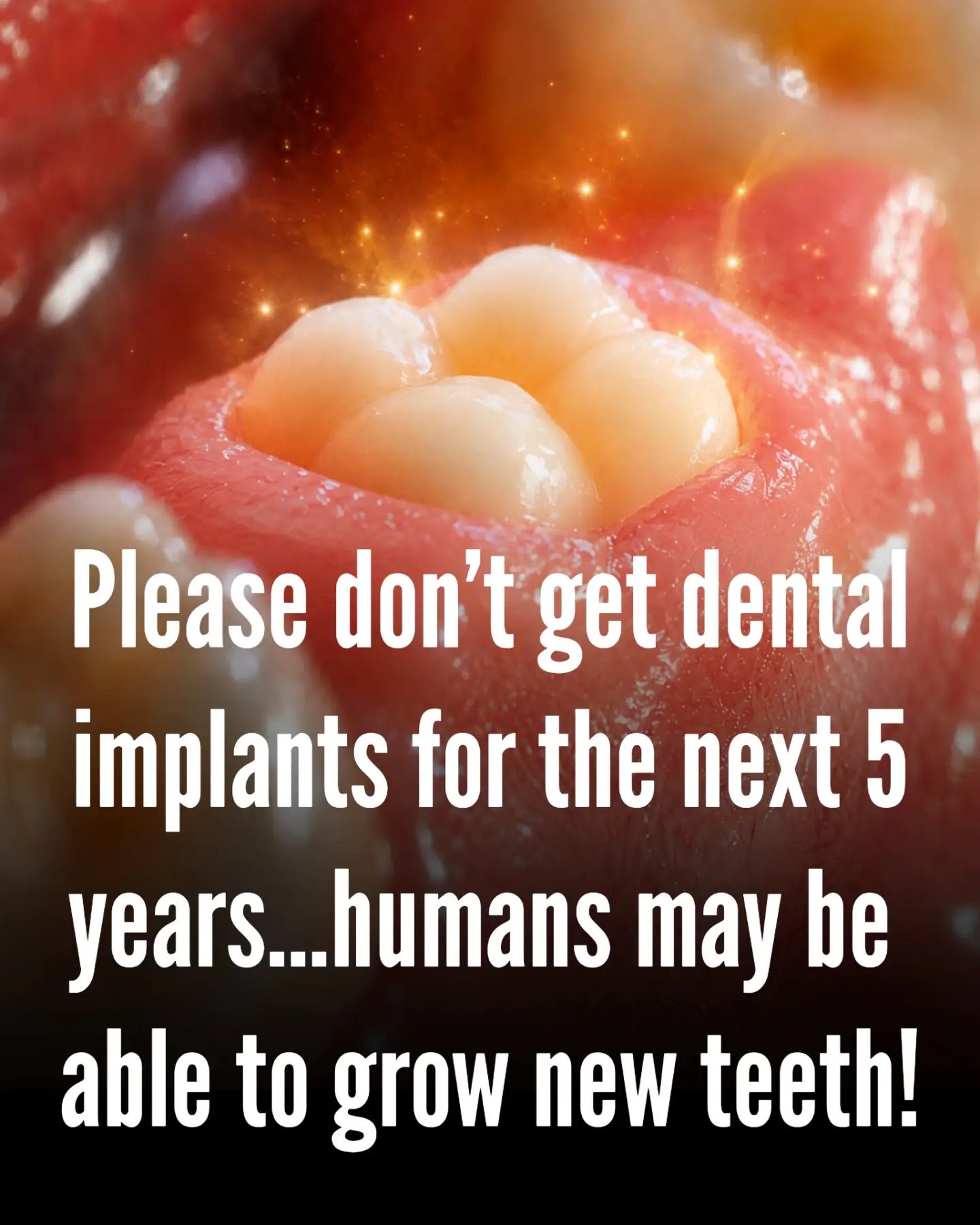
Dental Implants — Why the Future May Change What You Do Today
The advent of a new drug designed to stimulate the growth of new teeth in humans has sparked significant interest in the dental community and beyond. This revolutionary treatment targets a protein called USAG-1, which naturally suppresses the formation of extra teeth. Scientists are now exploring the possibility that the human body retains a dormant ability to grow new teeth within the jaw, and this new drug aims to reactivate that mechanism.
Why This Matters
For decades, dental implants and dentures have been the go-to solutions for missing teeth. These methods, while effective, are not without their drawbacks. Dental implants, for instance, are surgical procedures that involve placing artificial tooth roots into the jawbone. While they offer a stable and durable solution, they can be expensive and may not be suitable for everyone. Dentures, on the other hand, can be uncomfortable and may require adjustments over time.
The potential to grow new teeth naturally could revolutionize dentistry. Imagine a future where losing a tooth doesn't mean a lifetime of artificial replacements. This new approach, based on the body’s own natural regeneration process, promises real living teeth with natural roots and biological connections to the jawbone.
The Science Behind the Breakthrough
Targeting USAG-1 Protein
The key to this breakthrough is the USAG-1 protein. In laboratory experiments, researchers have successfully stimulated the growth of entirely new teeth by blocking this protein. The USAG-1 protein acts as a natural suppressor of tooth formation, and by inhibiting it, scientists have been able to trigger the growth of new teeth. This discovery opens up exciting possibilities for regenerative dentistry.
The Role of "Third Tooth Buds"
Scientists believe that humans may have "third tooth buds" hidden within the jaw. These are dormant structures that have remained inactive throughout life. The new drug being tested in clinical trials aims to activate these dormant structures, essentially turning on a biological mechanism that has long been considered inactive.
Practical Tips
While the clinical trials are still underway, there are a few practical steps you can take to stay informed and prepared for potential changes in dental care.
Consult with Your Dentist
If you are considering dental implants, it might be worth discussing the potential of this new treatment with your dentist. While the technology is not yet widely available, being informed can help you make a more educated decision about your dental health.
Stay Informed
Keep an eye on the latest developments in this field. As the clinical trials progress, more information will become available about the safety and efficacy of this new treatment. Following reliable sources and staying updated on the latest research can help you stay ahead of the curve.
Maintain Good Oral Hygiene
Regardless of the advancements in dental technology, good oral hygiene remains crucial. Maintaining a healthy mouth can help prevent tooth loss and other dental issues, making you a better candidate for any future regenerative treatments.
Important Takeaways
The Future of Dentistry
The potential to grow new teeth naturally represents a significant leap forward in dentistry. If successful, this technology could permanently change how we approach tooth loss and replacement, offering a more natural and sustainable solution.
The Importance of Clinical Trials
Clinical trials are a critical step in bringing new medical treatments to the market. The success of these trials will determine whether this new approach to tooth regeneration becomes a viable option for patients.
Conclusion
The prospect of growing new teeth naturally is an exciting development in the field of dentistry. While it may still be a few years away from widespread availability, the potential benefits are enormous. By staying informed and maintaining good oral hygiene, you can ensure that you are ready to take advantage of these advancements when they become available.
Questions readers ask
What is the USAG-1 protein and why is it important in dental care innovations?
The USAG-1 protein is a key factor in the process of tooth formation. It naturally suppresses the growth of extra teeth, but scientists are now exploring how to target this protein to stimulate new tooth growth. This research could lead to significant advancements in dental care by offering a natural alternative to traditional tooth replacement methods.
How does the new drug targeting USAG-1 protein work? What does this mean for the future of tooth replacement technology?
The new drug works by inhibiting the USAG-1 protein, which is believed to reactivate the body's dormant ability to grow new teeth. This could revolutionize tooth replacement technology by providing a natural solution for missing teeth, potentially reducing the need for dental implants and dentures.
What are the potential benefits of tooth regeneration over traditional dental implants?
Tooth regeneration could offer several benefits over dental implants. It provides a natural and potentially less invasive solution for replacing missing teeth. Additionally, regenerated teeth may integrate more seamlessly with the jawbone and surrounding tissues, offering improved functionality and aesthetics.
Is tooth regeneration safe? What stages of research is this in?
Tooth regeneration is still in the early stages of research, with scientists actively exploring its safety and efficacy. While preliminary results are promising, more studies and clinical trials are needed before this technology becomes widely available. It is important to consult with dental professionals for the most accurate and up-to-date information.
How soon might we expect to see regenerative dentistry widely available in clinics?
The timeline for regenerative dentistry to become widely available is uncertain. It depends on the success of ongoing research and clinical trials. While it may take several years, the progress in understanding the USAG-1 protein and its role in tooth regeneration is encouraging, suggesting that new dental technologies are on the horizon.
Are there any drawbacks to waiting for new dental technologies before getting dental implants?
Waiting for new dental technologies to emerge before getting dental implants may not be suitable for everyone. Dental implants are a proven and effective solution for missing teeth, offering long-term benefits. However, those who are good candidates for implants and can afford to wait, may want to consider the potential benefits of future tooth regeneration technologies.
Related deep dives
Similar reads based on topic and creator.




Recent articles
Fresh deep dives from the latest Reels we unpacked.




Comments
Be the first to comment.