Flock Safety Cameras and Public Sentiment
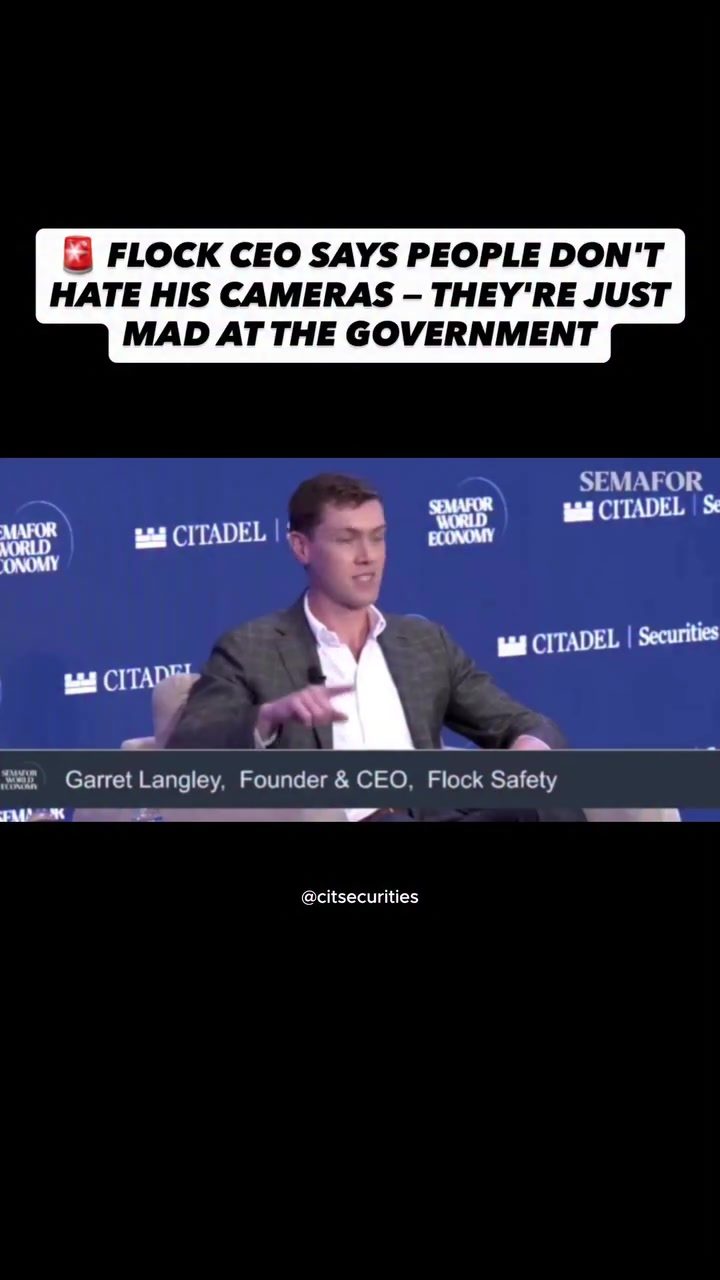
The CEO of Flock Safety, Garret Langley, has made headlines with his controversial statements about public sentiment towards his company's cameras. Langley argues that the backlash against Flock isn't due to dislike for the cameras themselves, but rather a broader frustration with the current federal administration. According to him, people are merely looking for a target for their anger. Controversies, however, indicate a more complex issue.
Context: Public Safety and Surveillance
The debate around public safety and surveillance has been escalating, particularly with the rise of companies like Flock Safety, which provide camera systems for communities. These systems are marketed as tools to enhance security and public safety. Yet, they also raise significant privacy concerns. The tension between safety and privacy is at the core of the controversy surrounding Flock Safety.
Flock Safety and the Public
Public sentiment towards Flock Safety has been mixed, to say the least. While some communities appreciate the enhanced security, others are deeply concerned about the potential misuse of the surveillance technology. The recent revelations about Flock employees' misconduct have only amplified these concerns.
According to allegations, Flock employees were caught viewing cameras inside a private community center more than a thousand times. The areas included the pool, daycare center, and children's gymnastics room. All the individuals involved were grown men, and there were no arrests or meaningful answers to the incident. Flock’s defense for this intrusion? It was a "product demo." This explanation has been widely criticized as delusional and inappropriate, especially considering the sensitive nature of the locations being monitored.
Beyond the Cameras: The Role of Flock Safety
Flock Safety cameras are designed to provide real-time monitoring and analytics, helping law enforcement and community managers detect and respond to security threats more effectively. However, the deployment of these cameras in private and public spaces raises serious questions about privacy and the potential for misuse.
One of the key issues highlighted by Langley is the public's need to blame something or someone when they are angry. He suggests that the federal government is currently the target of much of this anger, and by extension, companies like Flock are caught in the crossfire. This perspective, however, does not address the genuine concerns about privacy and surveillance that many people have.
The CEO's Vision
Langley has a grand vision for Flock Safety: he wants to see the cameras everywhere, claiming that safety should be as ubiquitous and accessible as clean water and safe roads. He compares the potential cost of this safety to a Netflix subscription, suggesting that people would be willing to pay a significant amount for the peace of mind that comes with enhanced security.
However, this vision raises more questions than it answers. For instance, how does Flock plan to ensure that the cameras are not misused, as has been alleged in the past? How will they address the privacy concerns of communities that are rightly wary of invasive surveillance? And perhaps most importantly, who will have access to the data collected by these cameras, and how will it be safeguarded?
Practical Tips for Communities
If you are considering the installation of Flock Safety cameras or similar surveillance systems in your community, here are some practical tips to ensure that the benefits outweigh the risks:
- Transparency and Accountability: Ensure that there is a clear and transparent process for monitoring and auditing the use of the cameras. This should include regular audits and public reports on how the data is being used.
- Community Involvement: Engage the community in the decision-making process. Hold public meetings and gather input from residents to ensure that their concerns and preferences are taken into account.
- Legal and Ethical Frameworks: Establish clear legal and ethical guidelines for the use of surveillance technology. This should include rules for data collection, storage, and sharing, as well as penalties for misuse.
- Privacy Protections: Implement robust privacy protections to safeguard the data collected by the cameras. This should include encryption, secure storage, and limited access to the data.
Important Takeaways
The controversy surrounding Flock Safety highlights several important takeaways about the use of surveillance technology in public and private spaces:
- Privacy Concerns: There is a real and legitimate concern about the potential for misuse of surveillance technology. Communities need assurances that their privacy will be protected.
- Public Trust: Building and maintaining public trust is crucial for the successful implementation of surveillance systems. This requires transparency, accountability, and community involvement.
- Balancing Act: There is a delicate balance to be struck between enhancing public safety and protecting individual privacy. This balance must be carefully managed to ensure that the benefits of surveillance technology are not outweighed by the risks.
Conclusion
The debate around Flock Safety and its cameras is part of a larger conversation about public safety, privacy, and the role of technology in our communities. While Flock Safety's cameras offer potential benefits in terms of enhanced security, they also raise significant concerns about privacy and potential misuse. As communities consider the deployment of such technology, it is essential to engage in open and honest discussions about these issues and to establish clear guidelines and protections to ensure that the benefits of surveillance technology are maximized while minimizing the risks.
Questions readers ask
What are Flock Safety cameras, and why are they controversial?
Flock Safety cameras are public safety cameras designed to enhance security in communities. They are controversial due to privacy concerns and recent allegations of employee misconduct. The debate centers around the balance between public safety and individual privacy.
How does Garret Langley, CEO of Flock Safety, explain the public backlash?
Garret Langley attributes the public backlash to broader political frustrations. He suggests that people are directing their anger towards his company's cameras as a proxy for their dissatisfaction with the current federal administration.
What is the main tension highlighted by the Flock Safety controversy?
The main tension is the complex balance between security and individual privacy. While the cameras aim to enhance public safety, there are concerns about the invasion of personal privacy and the ethical use of surveillance technology.
Are Flock Safety cameras only used in public settings?
Although Flock Safety cameras are primarily marketed for public settings, there have been discussions about their use in other environments. For example, some parents have considered using similar cameras in daycare settings to ensure their children's safety, which has sparked a separate debate about privacy and surveillance.
How has employee misconduct impacted the perception of Flock Safety cameras?
Recent allegations of employee misconduct at Flock Safety have further exacerbated public concerns. These incidents have raised questions about the company's internal practices and have contributed to the public backlash, making it harder to separate the controversy over the cameras from the broader issue of employee behavior.
What are some of the key points in the debate around public safety and surveillance?
Key points include the effectiveness of surveillance cameras in preventing crime, the potential misuse of surveillance data, and the ethical implications of constant monitoring. Critics argue that while these tools may enhance security, they also pose significant risks to personal privacy and civil liberties.
Related deep dives
Similar reads based on topic and creator.




Recent articles
Fresh deep dives from the latest Reels we unpacked.




Comments
Be the first to comment.