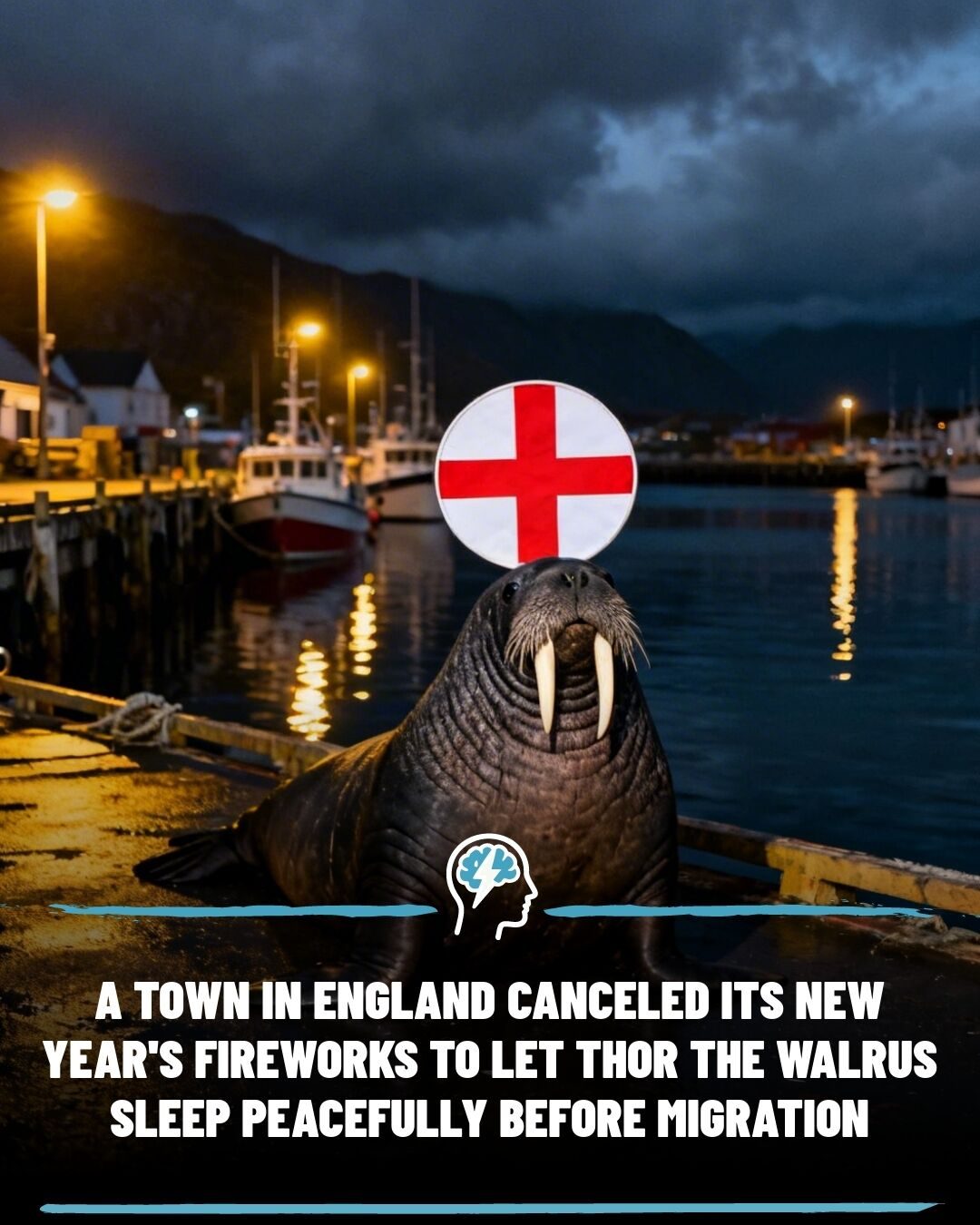
Walrus and Fireworks
Marine mammals, like the walrus named Thor, are sensitive to loud noises such as fireworks. In a surprising move, a town in England canceled its New Year’s fireworks to let Thor sleep peacefully before his migration. This decision reflects a growing awareness of the impact human activities can have on wildlife. It’s not just about Thor; it’s about understanding how noise pollution affects marine mammals more broadly.
Why This Matters
Noise pollution, particularly from sudden, loud sounds like fireworks, can trigger significant stress responses in marine mammals. These animals rely heavily on acoustic communication for survival. They use sound to navigate, find food, locate mates, and stay connected with their groups. When their environment is disrupted by intense noise, it can cause both physiological stress and behavioral changes.
For walruses like Thor, who sometimes appear in unexpected coastal areas, the challenges are even greater. These migrations are critical for their survival, and any additional stress can exacerbate the difficulties they already face.
The Science of Noise Pollution
Acoustic Communication in Marine Mammals
Marine mammals, including walruses, pinnipeds, and cetaceans, depend on sound for many aspects of their lives. Echo-location, for example, is a key tool for navigating and finding prey. When anthropogenic (human-made) noise disrupts these signals, it can lead to disorientation, difficulty in finding food, and even separation from their groups.
The Impact of Sudden Loud Noises
Studies have shown that sudden, intense noises can cause significant stress in these animals. Think of it this way: imagine trying to have a conversation while someone blasts an air horn next to your ear. Now, consider that this conversation is how you find your family during a critical migration. This is the kind of disruption that noise pollution can cause for marine mammals.
Physiological and Behavioral Responses
The effects of noise pollution on marine mammals are not just theoretical. Research has documented both physiological and behavioral changes. Physiological stress responses can include elevated heart rates, changes in hormone levels, and even suppression of the immune system. Behaviorally, these animals may alter their movements, avoid certain areas, or change their feeding patterns.
Practical Tips
Reducing Noise Pollution Near Coastal Areas
While it's not practical to cancel every celebration, there are simple steps we can take to reduce the impact of noise pollution on marine life:
- Consider the Environment: When planning events or celebrations near coastal areas, especially during critical migration seasons, consider the potential impact on local wildlife.
- Minimize Noise Levels: Opt for quieter alternatives to fireworks, such as light shows or laser displays, which can be just as visually impressive without the noise.
- Educate Others: Share information about the impact of noise pollution with friends, family, and your community. Increasing awareness can lead to more thoughtful choices and actions.
Supporting Marine Wildlife
Conservation efforts don’t have to be dramatic to be effective. Small acts of consideration, such as reducing unnecessary noise, can make a significant difference. Additionally, supporting organizations that work to protect marine mammals and their habitats can help ensure that species like Thor the walrus thrive for generations to come.
Important Takeaways
- Noise Pollution Affects Marine Mammals: Sudden, loud noises like fireworks can cause significant stress and behavioral changes in marine mammals.
- Marine Mammals Rely on Sound: These animals use acoustic communication for navigation, finding food, and staying connected with their groups.
- Small Acts of Consideration Matter: Simple steps like reducing noise levels during coastal celebrations can support marine wildlife.
Understanding these aspects can help us coexist better with marine mammals and ensure that our celebrations do not harm these incredible creatures.
Conclusion
The story of Thor the walrus and the town that canceled its fireworks serves as a reminder that we share this planet with a wealth of unique creatures. By understanding their needs and the impact of our actions, we can make thoughtful choices that support marine wildlife without dramatically changing our lives.
Questions readers ask
How do fireworks specifically affect marine mammals like Thor the walrus?
Fireworks can cause significant stress in marine mammals by disrupting their acoustic communication and navigation. For instance, sudden loud noises can mask the sounds these animals rely on for survival, leading to disorientation and anxiety. In Thor's case, the fireworks could have disturbed his rest and preparation for migration.
Why did the town in England cancel its fireworks for Thor?
The cancellation of the New Year’s fireworks was a deliberate decision to minimize stress and disruption for Thor the walrus. The town recognized the potential impact of loud noises on Thor's well-being and migration plans, demonstrating a growing awareness of how human activities affect marine life.
What are the broader implications of fireworks on marine mammals?
Fireworks and other loud noises can interfere with the natural behaviors of marine mammals. These animals use sound for communication, navigation, and social interactions, and sudden, loud noises can disrupt these crucial activities. This disruption can lead to long-term stress and behavioral changes, affecting the overall health of marine mammal populations.
How does noise pollution affect marine mammal conservation efforts?
Noise pollution, including that from fireworks, can undermine marine mammal conservation efforts by causing stress and disrupting behaviors essential for survival. Conservation efforts often focus on protecting habitats and preventing physical harm, but mitigating noise pollution is equally important to ensure the well-being and continued existence of these animals.
What can be done to reduce the impact of fireworks on marine mammals?
To reduce the impact of fireworks on marine mammals, communities can consider alternative celebrations that minimize noise pollution, like silent fireworks displays or light shows. Additionally, raising public awareness about the effects of loud noises on marine life can encourage more mindful practices during festivities.
How does Thor's story highlight the importance of understanding marine mammal needs?
Thor's story underscores the importance of understanding and respecting the needs of marine mammals in their natural habitats. By recognizing the impact of noise pollution on animals like Thor, communities can take proactive steps to protect wildlife. This awareness fosters a more harmonious relationship between humans and marine life.
What role do local communities play in protecting marine mammals from noise pollution?
Local communities play a crucial role in protecting marine mammals from noise pollution by making informed decisions and adopting practices that minimize disruption. Actions such as canceling fireworks during critical periods for wildlife, like migration, can significantly benefit the well-being of marine mammals and promote a more balanced ecosystem.
Related deep dives
Similar reads based on topic and creator.




Recent articles
Fresh deep dives from the latest Reels we unpacked.




Comments
Be the first to comment.