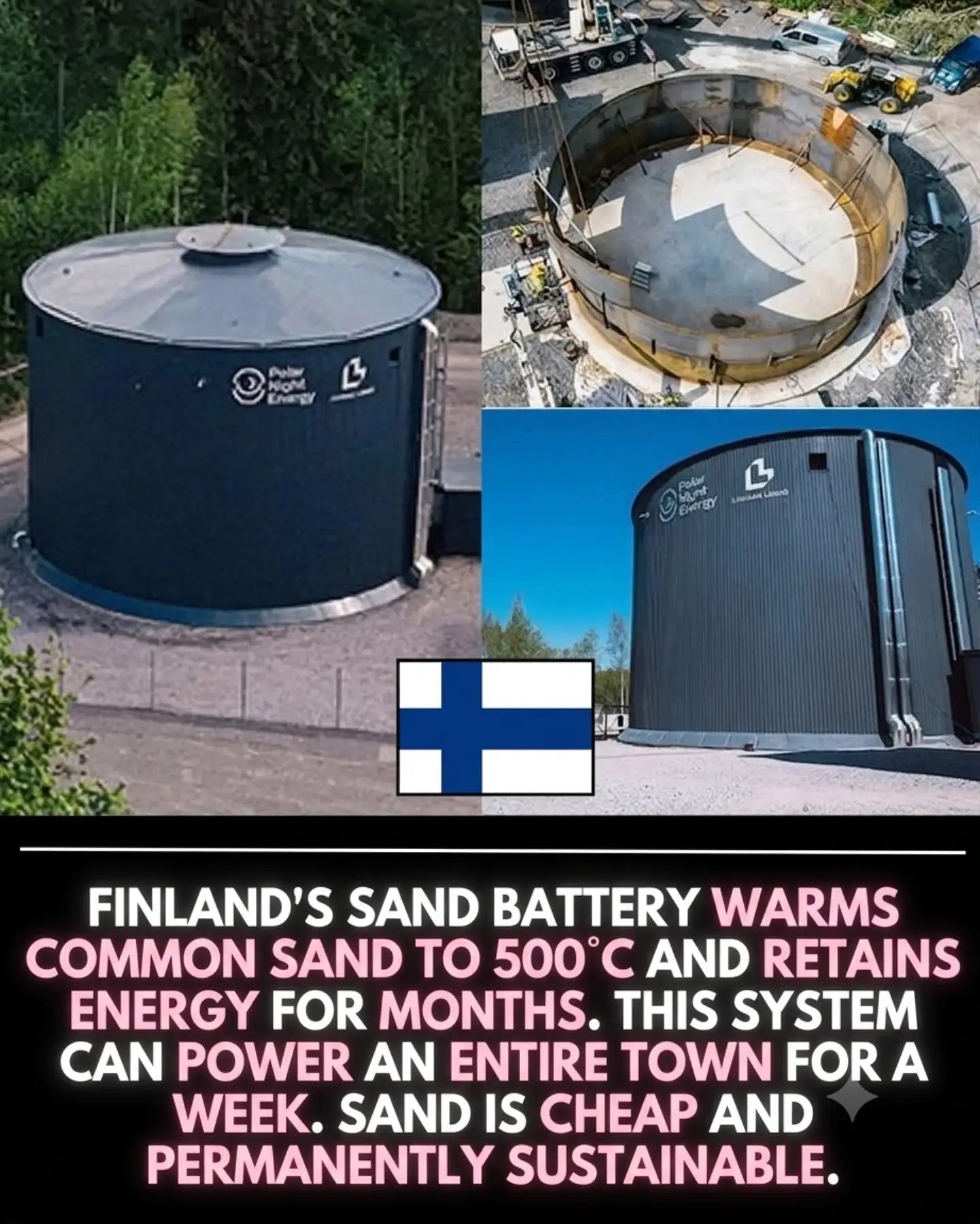
Sand Battery Technology
Sand battery technology, a revolutionary innovation in renewable energy, is transforming how we think about energy storage. Developed by Polar Night Energy in Finland, this technology uses simple, abundant sand to store vast amounts of heat energy. This breakthrough offers a sustainable and cost-effective solution to the challenges posed by renewable energy variability.
Why This Matters
The global push towards renewable energy sources like wind and solar is undeniable. However, these energy sources are intermittent, meaning they depend on weather conditions. Energy storage solutions, like lithium-ion batteries, have traditionally been used to bridge these gaps. Yet, these batteries face significant challenges, including high costs, limited lifespan, and reliance on rare, environmentally damaging minerals. This is where sand battery technology offers a compelling alternative.
Understanding Sand Battery Technology
The Basics of Sand Battery
Sand batteries work by converting excess electricity generated from renewable sources like wind and solar power into heat. This heat is then stored in large quantities of ordinary sand, which is heated to around 500°C. The sand holds this thermal energy exceptionally well, allowing it to be stored for extended periods.
How It Works
The process involves several key steps:
- Conversion of Electricity to Heat: Excess renewable energy is converted into thermal energy.
- Heating the Sand: This thermal energy is then used to heat large quantities of sand to high temperatures, typically around 500°C.
- Storage: The heated sand retains this thermal energy, acting as a thermal battery.
- Energy Release: When energy is needed, the heat from the sand can be converted back into electricity or used directly for heating purposes.
The Role of Sand
Sand is a crucial component of this technology. It is abundant, cheap, and environmentally sustainable. Unlike traditional battery materials, sand does not require mining of rare metals and does not degrade over time. This makes it an ideal material for long-term energy storage.
Sustainability and Cost-Effectiveness
One of the most compelling aspects of sand battery technology is its sustainability. Traditional batteries, especially lithium-ion, rely on materials that are both expensive and environmentally damaging to extract. In contrast, sand is a readily available resource that can be sourced locally, reducing transportation costs and environmental impact. Moreover, since sand does not degrade, it offers a permanent storage solution, making it highly cost-effective in the long run.
Practical Tips for Utilizing Sand Battery Technology
While sand battery technology is still in its early stages of commercialization, there are several practical considerations for those interested in implementing this innovative solution.
Assessment of Energy Needs
Before investing in a sand battery, it's essential to assess your energy needs. Determine the amount of energy you generate from renewable sources and how much you need to store. This will give you a clear idea of the size and capacity of the sand battery system required.
Site Selection
Choose a location for your sand battery that is both convenient and safe. The system should be placed in an area that is easily accessible for maintenance and monitoring. Additionally, consider the environmental impact of the location to ensure minimal disruption to local ecosystems.
Integration with Existing Systems
Sand battery technology can be integrated with existing renewable energy systems. Ensure that your sand battery is compatible with your current energy infrastructure to maximize efficiency and effectiveness.
Important Takeaways
Sand battery technology represents a significant leap forward in the realm of renewable energy storage. Its use of common, abundant sand as a storage medium makes it a sustainable and cost-effective solution. Here are some key points to remember:
- Sand batteries convert excess renewable energy into heat, storing it in sand heated to 500°C.
- The technology is highly sustainable, using a material that is cheap, abundant, and environmentally friendly.
- Sand batteries can store energy for extended periods, making them ideal for bridging the gaps in renewable energy supply.
- The future of this technology looks promising, with potential applications in both large-scale and small-scale energy storage.
Conclusion
Sand battery technology is poised to play a pivotal role in the transition to a more sustainable energy future. By harnessing the power of simple, abundant sand, this innovative solution offers a cost-effective and environmentally friendly way to store renewable energy. As the technology continues to develop, it has the potential to address some of the most significant challenges facing the renewable energy sector, paving the way for a greener, more sustainable world.
Questions readers ask
How does Finland's Sand Battery technology work?
Finland's Sand Battery technology stores thermal energy by heating sand to high temperatures using electricity, typically from renewable sources like wind or solar. The sand retains this heat energy for extended periods, which can then be released to generate electricity or heat buildings when needed. This process effectively addresses the intermittency of renewable energy sources by providing a reliable and large-scale energy storage solution.
What makes sand an effective medium for energy storage?
Sand is an effective medium for energy storage due to its high heat capacity and thermal conductivity. It can absorb and retain large amounts of heat energy, making it ideal for storing thermal energy generated from renewable sources. Additionally, sand is abundant, inexpensive, and environmentally friendly, which makes it a sustainable choice for large-scale energy storage systems.
How does the Sand Battery technology compare to traditional lithium-ion batteries?
Unlike traditional lithium-ion batteries, which store electrical energy chemically, the Sand Battery technology stores thermal energy in sand. This makes it a more cost-effective and sustainable solution for large-scale energy storage, as sand is inexpensive and has a longer lifespan. Moreover, Sand Batteries can store energy for longer periods without significant degradation, making them suitable for seasonal energy storage.
Who is Polar Night Energy, and what role do they play in Sand Battery technology?
Polar Night Energy is a Finnish company that developed the innovative Sand Battery technology. They specialize in renewable energy storage solutions, and their Sand Battery technology is a key innovation in the field. Polar Night Energy is dedicated to advancing sustainable energy solutions, particularly in addressing the challenges of renewable energy intermittency. They play a pivotal role in promoting and implementing this clean energy storage technology on a larger scale.
What are the potential applications of Sand Battery technology in sustainable energy systems?
Sand Battery technology has a wide range of applications in sustainable energy systems. It can be used to store excess energy generated from renewable sources like wind and solar, providing a reliable power supply during periods of low generation. Additionally, it can be used for district heating systems, where the stored heat energy can be used to warm buildings and reduce reliance on fossil fuels. Its large-scale energy storage capabilities make it an ideal solution for creating a more sustainable energy future.
What are the environmental benefits of using Sand Battery technology?
Sand Battery technology offers significant environmental benefits by providing a sustainable and clean energy storage solution. By storing excess energy from renewable sources, it helps reduce reliance on fossil fuels and decreases greenhouse gas emissions. Additionally, the use of sand as a storage medium is environmentally friendly, as it is a natural and abundant resource. This makes Sand Battery technology a key component in the transition to a more sustainable and green energy future.
Related deep dives
Similar reads based on topic and creator.




Recent articles
Fresh deep dives from the latest Reels we unpacked.




Comments
Be the first to comment.