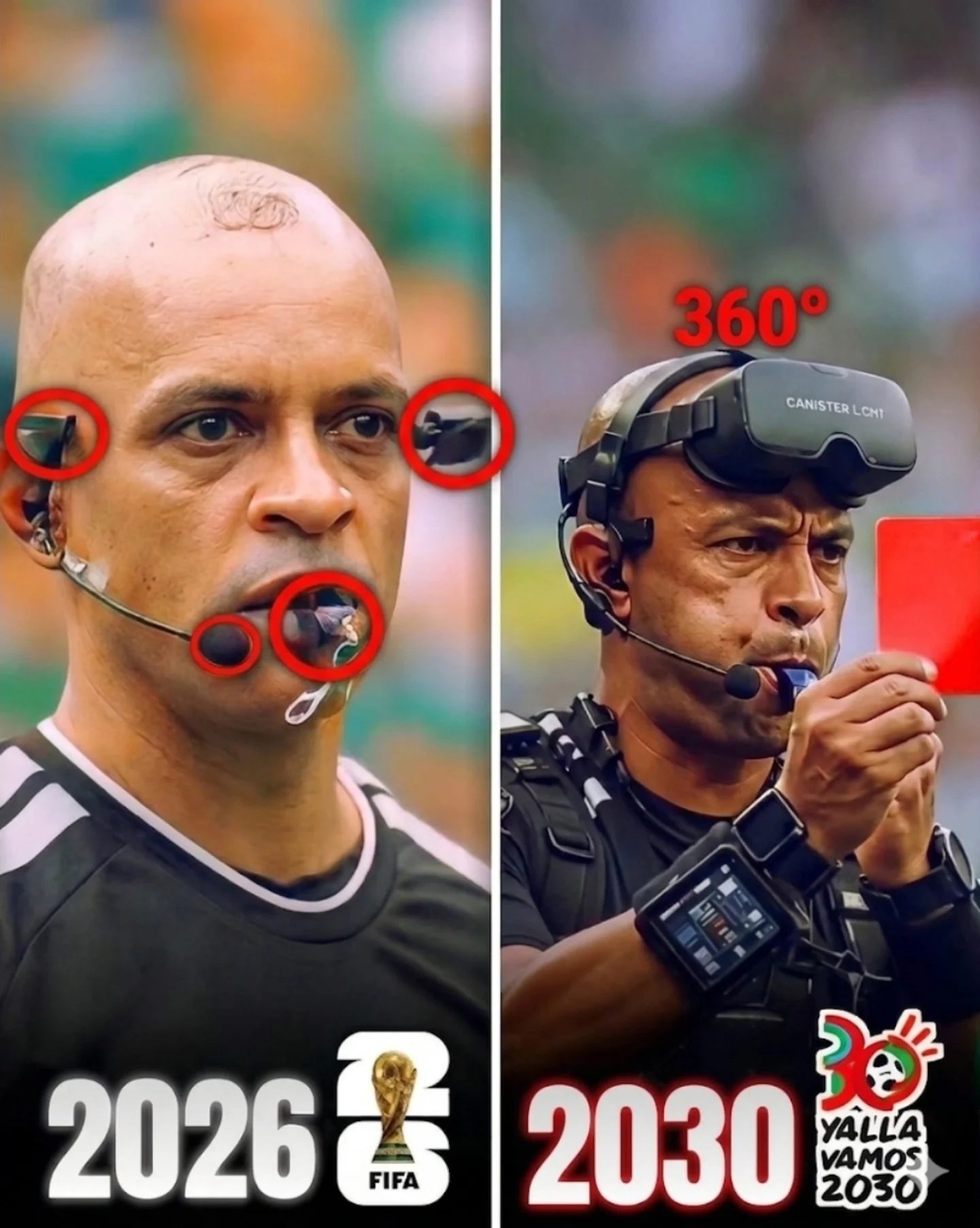
VAR Technology in Professional Soccer
Video Assistant Referee (VAR) technology has revolutionized soccer officiating, providing referees with advanced tools to make more accurate decisions during matches. This technology has evolved significantly, incorporating features like 360-degree viewing and even semi-automated offside detection. The latest advancements hint at even more sophisticated systems, such as the hypothetical "Robo-Ref" which uses neural networks to predict dissent and enforce rules.
Context / Why this matters
The integration of VAR technology into soccer has had a profound impact on the sport. It aims to reduce human error in critical decisions, such as offside calls, penalty awards, and red cards. This technology is particularly important in high-stakes matches where the slightest error can significantly impact the outcome. The introduction of VAR has sparked debates among fans, players, and officials, highlighting both its benefits and drawbacks.
Main discussion
The Evolution of VAR Technology
Early Implementation
VAR technology was initially introduced to assist referees in making crucial decisions during live matches. The basic system allowed referees to review replays from multiple angles to confirm or overturn their initial calls. This setup was a significant step forward in ensuring fairness and accuracy in the game.
Semi-Automated Offsides
One of the most notable advancements in VAR technology is the introduction of semi-automated offsides. This feature uses advanced algorithms to track player movements and determine offside positions with greater precision. The system relies on camera feeds and data from multiple sources to provide real-time feedback to referees, helping them make more accurate calls.
VAR Headset
The VAR headset is a critical component of the technology, allowing referees to view replays and receive real-time data. The headset provides a 360-degree view, enabling referees to see the action from various angles and make informed decisions. This immersive viewing experience enhances the accuracy and reliability of officiating.
Future Innovations
The Concept of Robo-Ref
The concept of a "Robo-Ref" represents the future of soccer officiating. This hypothetical system would use a neural network to predict dissent and automatically deploy a red card based on a player's heart rate. The Robo-Ref would also hold a referee's beer and record everything in 360 degrees, allowing for maximum post-game analysis. While this concept is still speculative, it highlights the potential for even more advanced technologies in the future.
The Role of Neural Networks
Neural networks are at the heart of the Robo-Ref concept. These networks can analyze large amounts of data to make predictions and decisions. In the context of soccer, a neural network could be trained to recognize patterns of dissent and enforce rules automatically. This would not only enhance fairness but also reduce the workload on human referees, allowing them to focus on other aspects of the game.
Practical tips
-
Understanding VAR Reviews: Focusing on the key moments where VAR is used, such as penalty decisions, offside calls, and red cards, can help fans better understand the technology's impact.
-
Engaging with the Technology: Encouraging discussions about VAR with other fans and players can provide a deeper understanding of its benefits and limitations. This engagement can foster a more informed and respectful discourse around the technology.
-
Adapting to Changes: As VAR technology continues to evolve, it's essential to stay updated with the latest advancements and how they are implemented in matches. This can be done by following official FIFA announcements and attending informational sessions.
Important takeaways
The evolution of VAR technology in soccer has brought significant changes to the sport, enhancing accuracy and fairness. The introduction of semi-automated offsides and the concept of a "Robo-Ref" indicate a future where technology plays an even more integral role in officiating. Neural networks and 360-degree viewing are just a few of the advanced features that are pushing the boundaries of what's possible in sports technology. However, the technology is still a work in progress, and ongoing discussions and adaptations will be crucial as it continues to develop.
Conclusion
VAR technology has transformed the way soccer is officiated, bringing a new level of precision and reliability to the game. From semi-automated offsides to the concept of a "Robo-Ref," the advancements in this technology are paving the way for a more accurate and fair sport. As we look towards the future, it's clear that technology will continue to play a pivotal role in shaping the game, and staying informed about these developments will be key for fans, players, and officials alike.
Questions readers ask
What is the FIFA VAR headset and how does it work?
The FIFA VAR headset is an advanced officiating tool designed for soccer referees. It provides a 360° view, allowing referees to review plays from all angles. This helps them make more precise decisions by offering a comprehensive perspective on key moments in the game.
How does the 360° view benefit soccer officiating?
The 360° view in the FIFA VAR headset significantly enhances officiating by enabling referees to scrutinize intricate game scenarios from every angle. This reduces the likelihood of missed details, particularly in high-pressure situations, and supports more accurate decision-making.
What is semi-automated offside detection and how does it relate to VAR?
Semi-automated offside detection is an advanced feature integrated with VAR technology. It uses AI and 360° view technology to track player movements and determine offside positions. This technology assists referees in making precise offside calls, thereby enhancing the accuracy and efficiency of officiating.
Will the FIFA VAR headset be used in future tournaments like the 2026 World Cup?
While the FIFA VAR headset has shown considerable promise, decisions on its use in tournaments such as the 2026 World Cup depend on its ongoing development and testing. If successful, it is likely to be adopted for future competitions.
How does the FIFA VAR headset address the debate surrounding VAR in soccer?
The FIFA VAR headset addresses some of the main concerns in the VAR debate by providing referees with a more comprehensive view of the game. This helps reduce errors in crucial decisions, thereby enhancing fairness and potentially diminishing controversies.
What future advancements can we expect from VAR technology in soccer?
Future advancements in VAR technology are expected to include even more sophisticated systems, such as the hypothetical 'Robo-Ref.' This system uses neural networks to predict dissent and enforce rules, potentially revolutionizing officiating further.
How does the 360° view in the FIFA VAR headset reduce referee errors?
The 360° view in the FIFA VAR headset reduces referee errors by allowing officials to review plays from multiple angles, ensuring they don't miss critical details. This improved perspective helps referees make more informed and precise decisions, thereby minimizing mistakes during high-stakes matches.
Related deep dives
Similar reads based on topic and creator.




Recent articles
Fresh deep dives from the latest Reels we unpacked.




Comments
Be the first to comment.