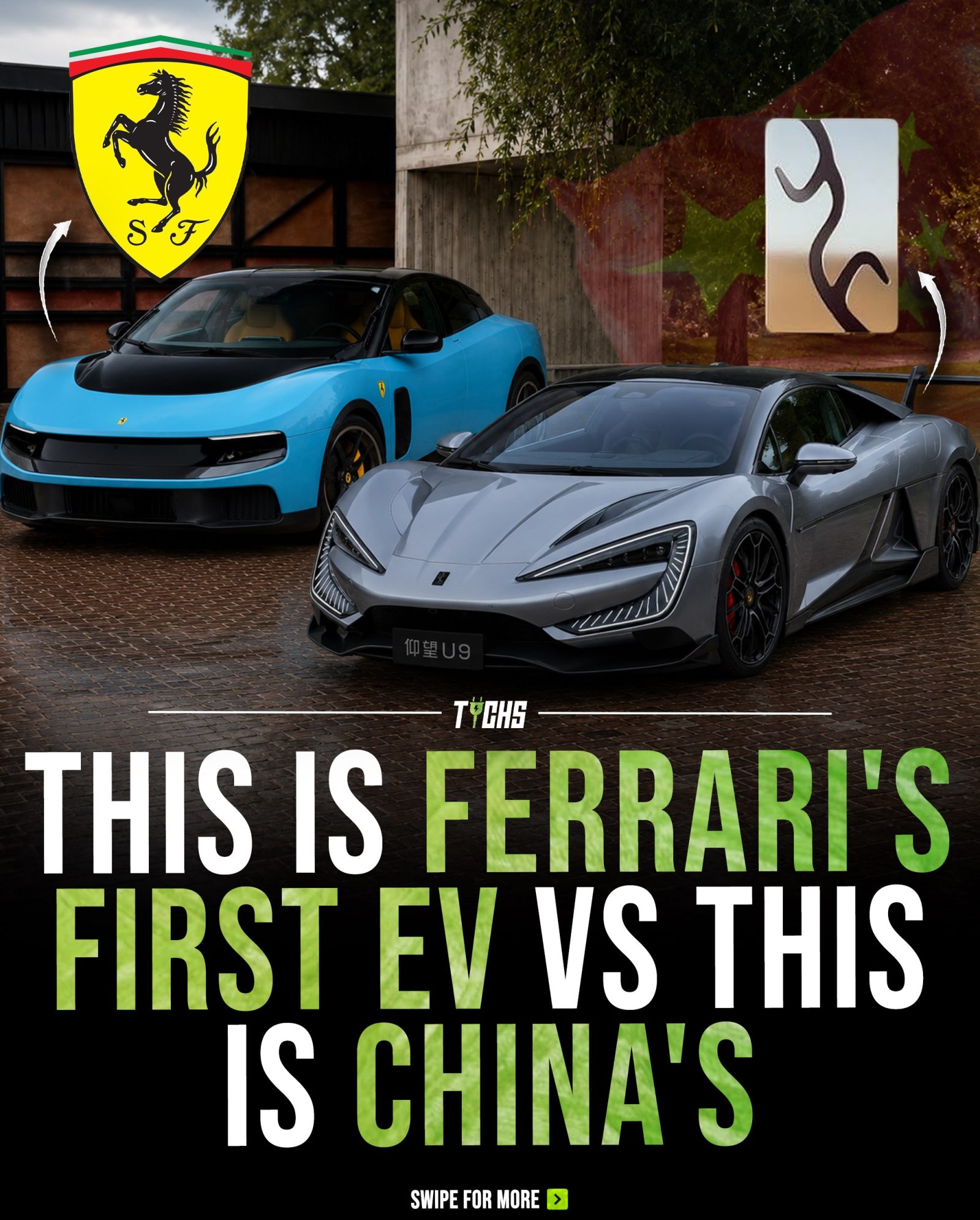
Ferrari’s first electric supercar, the Ferrari Luce, is making its entrance into a rapidly evolving market where Chinese electric vehicle (EV) manufacturers are already setting new performance benchmarks. This comparison with the BYD Yangwang U9, also known as Yangwang EV, underscores the rapid advancements in the electric supercar segment. From horsepower and acceleration to top speed and pricing, Chinese manufacturers are proving they can compete with, and in some areas surpass, some of the world’s most iconic performance brands.
Why This Matters
The introduction of the Ferrari Luce marks a pivotal moment for the automotive industry. As electric technology continues to advance, the future of supercars will be defined by innovation, engineering, and performance rather than heritage alone. This shift is evident in the performance metrics of the Ferrari Luce and the Yangwang EV, which highlight the fierce competition and rapid technological progress in the EV market.
Main Discussion
Performance Metrics
When comparing the Ferrari Luce and the Yangwang EV, several key performance metrics stand out. The most notable is the 0-100 km/h acceleration time. The Ferrari Luce boasts an impressive acceleration of 2.5 seconds, while the Yangwang EV edges it out with a slightly faster time of 2.36 seconds. This marginal difference highlights the intense competition and technological sophistication in the EV supercar segment.
Pricing
Pricing is another critical factor. The Ferrari Luce comes with a hefty price tag of $640,000, reflecting its prestigious brand and heritage. In contrast, the Yangwang EV is priced at $265,000, making it significantly more affordable. This price difference underscores the value proposition of Chinese manufacturers, who are offering high-performance EVs at a fraction of the cost of their European counterparts.
Practical Tips
For those considering an electric supercar, it's essential to evaluate both performance and cost. Here are some practical tips to guide your decision:
Assess Performance Needs
Determine your specific performance needs. If you prioritize acceleration and top speed, the Yangwang EV's 0-100 km/h time of 2.36 seconds might be more appealing. However, if brand heritage and overall performance are more important, the Ferrari Luce's 2.5-second acceleration and iconic status might be worth the extra cost.
Evaluate Long-Term Value
Consider the long-term value of your investment. While the Ferrari Luce commands a higher price, it may hold its value better over time due to its brand prestige and exclusivity. On the other hand, the Yangwang EV offers a more affordable entry point into the electric supercar market, which could be more suitable for those looking for performance at a lower cost.
Explore Additional Features
Look beyond acceleration and pricing. Both the Ferrari Luce and the Yangwang EV offer advanced features and technologies that enhance the driving experience. Features such as advanced driver-assistance systems, customizable interiors, and cutting-edge infotainment systems can significantly impact your overall satisfaction with the vehicle.
Consider Charging Infrastructure
Evaluate the charging infrastructure available in your area. While both vehicles are electric, the availability of fast-charging stations and the efficiency of charging can impact your daily driving experience. Ensure that your chosen vehicle aligns with the charging infrastructure in your region.
Important Takeaways
The introduction of the Ferrari Luce and the performance of the Yangwang EV highlight the rapid advancements and fierce competition in the electric supercar segment. Key takeaways include:
- Performance Metrics: The 0-100 km/h acceleration times of both vehicles are exceptionally fast, with the Yangwang EV slightly edging out the Ferrari Luce.
- Pricing: The Yangwang EV offers a more affordable option, while the Ferrari Luce commands a higher price due to its brand heritage.
- Technology and Innovation: Chinese manufacturers are proving they can compete with and, in some areas, surpass iconic European brands in terms of innovation and technology.
- Future Trends: The future of supercars will be defined by innovation, engineering, and performance, rather than heritage alone.
Conclusion
The comparison between the Ferrari Luce and the Yangwang EV underscores the dynamic and competitive nature of the electric supercar market. As electric technology continues to evolve, both performance and innovation will drive the future of supercars. Whether you prioritize brand heritage or affordability, the electric supercar segment offers exciting options for enthusiasts and performance seekers alike.
Questions readers ask
What makes the Ferrari Luce a significant release in the automotive industry?
The Ferrari Luce is noteworthy because it is Ferrari’s first electric supercar, marking the brand's entry into the electric vehicle market. This move signals a shift in the industry towards electric technology and innovation.
How does the BYD Yangwang U9 compare to the Ferrari Luce in terms of performance?
The BYD Yangwang U9 offers impressive performance metrics, including high horsepower and rapid acceleration, making it a strong competitor to the Ferrari Luce. The Yangwang U9's ability to match or exceed traditional benchmarks set by iconic brands like Ferrari is a testament to the advancements in Chinese electric supercar technology.
What is the significance of the price difference between the Ferrari Luce and the BYD Yangwang U9?
The BYD Yangwang U9 has a significantly lower price point compared to the Ferrari Luce. This price differential makes the Yangwang U9 more accessible to a broader range of consumers, indicating a potential shift in the market dynamics of high-performance electric vehicles.
What are some key specifications to consider when comparing the Ferrari Luce and the Yangwang U9?
Key specifications to compare include horsepower, acceleration, top speed, and pricing. These metrics provide a comprehensive view of how each vehicle performs in terms of speed, agility, and overall value.
Why are Chinese electric supercars like the Yangwang U9 gaining traction in the global market?
Chinese electric supercars are gaining traction due to their competitive performance metrics and cost-effectiveness. Manufacturers like BYD are demonstrating they can challenge traditional supercar brands, making Chinese electric supercars a viable option for enthusiasts worldwide.
What does the competition between the Ferrari Luce and Yangwang U9 mean for the future of the supercar market?
This competition indicates a future where the supercar market is defined by innovation, engineering, and performance rather than just heritage. As electric technology continues to advance, we can expect to see more high-performance electric vehicles from both established and emerging brands.
Related deep dives
Similar reads based on topic and creator.




Recent articles
Fresh deep dives from the latest Reels we unpacked.




Comments
Be the first to comment.