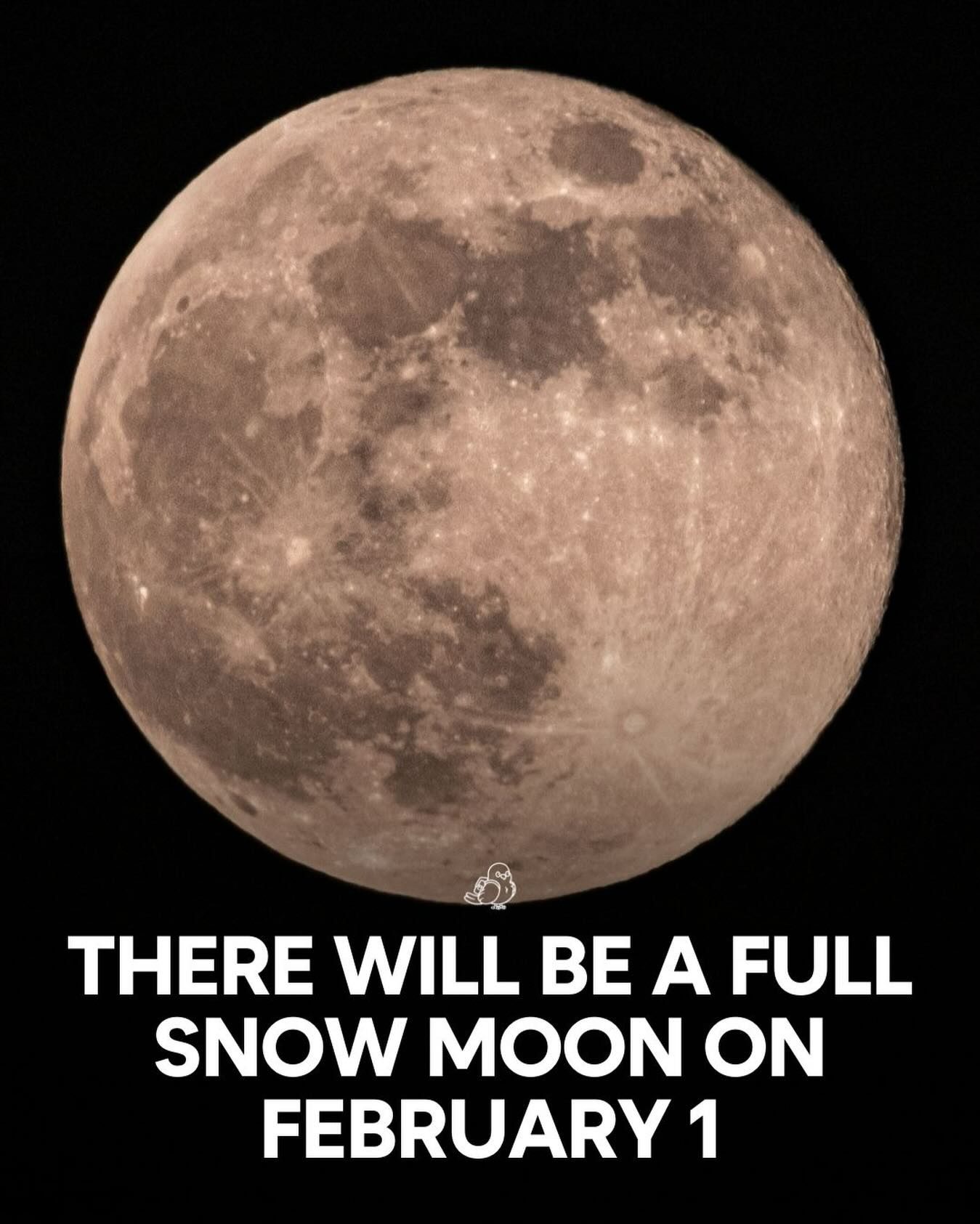
Full Snow Moon on February 1
The Full Snow Moon will illuminate the night sky on February 1, marking a significant celestial event for viewers in the Northern Hemisphere. A full moon that occurs in February is named for the snowiest month of the year, February 1. The moon, whether named after Native American or European traditions, illuminates the skies and provides an opportunity for reflection and observation.
Why it Matters
February has historically been the snowiest month in the Northern Hemisphere, which is why this full moon is called the "Snow Moon." Marking the midpoint of the winter solstice and the spring equinox, the full moon serves as a reminder of the halfway point in winter. It is a time often associated with endurance, reflection, and the quiet strength needed to get through the coldest days of the year.
February 1 Full Snow Moon
What is the Full Snow Moon?
The Full Snow Moon, as the name suggests, is the full moon that occurs in February. It is called the Snow Moon because February is typically the month with the most snowfall in the Northern Hemisphere. This full moon has deep roots in both Native American and European traditions. The name reflects the harsh winter conditions that many cultures historically experienced during this time of year.
Historical and Cultural Significance
The Full Snow Moon has been a significant event in various cultures for centuries. For many Native American tribes, the Full Snow Moon was a time for reflection and appreciation of the natural world. It also marked the midpoint of winter, a crucial period for survival. In European traditions, the Full Snow Moon was a time for preparing for the upcoming spring and reflecting on the hardships of winter.
Viewing the Full Snow Moon
The Snow Moon will appear fully illuminated at nightfall and remain visible throughout the night. It is a great opportunity for moon gazing and night photography.
What You Need to See the Full Snow Moon
Viewing the Full Snow Moon is a straightforward and rewarding experience. You do not need any special equipment to enjoy this celestial event. All you need are clear skies and a good view of the horizon. This makes it an accessible event for everyone, whether you are an experienced stargazer or a casual observer.
Practical Tips
Best Practices for Moon Gazing
- Find a Clear View: Choose a location with an unobstructed view of the horizon. Avoid areas with tall buildings or trees that might block your view.
- Check the Weather: Clear skies are essential for optimal viewing. Check the weather forecast to ensure there won't be any clouds or precipitation.
- Time It Right: The Full Snow Moon will be fully illuminated at nightfall, so plan your observation accordingly. You can also enjoy the view throughout the night.
- Use a Telescope or Binoculars: While not necessary, a telescope or a pair of binoculars can enhance your experience by allowing you to see the moon's surface details more clearly.
Night Photography Tips
- Use a Tripod: A tripod will help you keep your camera steady and avoid blurry images.
- Adjust Your Camera Settings: Use a low ISO (100-200), a small aperture (f/8 or higher), and a slow shutter speed (several seconds to a minute) to capture the moon's details and brightness. Experiment with manual focus for the best results.
- Plan Your Composition: Include interesting foreground elements, such as trees or buildings, to create a more dynamic and visually appealing photograph.
- Practice: Take multiple shots and experiment with different settings to get the best results. Practice makes perfect, especially when it comes to night photography.
Important Takeaways
- Marks the Midpoint of Winter: The Full Snow Moon occurs at the midpoint of the winter solstice and the spring equinox, symbolizing endurance and reflection.
- Cultural Significance: The Full Snow Moon has deep cultural roots in both Native American and European traditions, making it a significant event for many cultures.
- Easy to View: No special equipment is needed to see the Full Snow Moon, making it an accessible event for everyone.
- Photography Opportunity: The Full Snow Moon provides a great opportunity for night photography, allowing you to capture the moon's details and beauty.
Conclusion
The Full Snow Moon on February 1 is a remarkable astronomical event that offers a chance to appreciate the beauty of the night sky and reflect on the changing seasons. Whether you are a seasoned stargazer or a casual observer, this event provides an opportunity to connect with nature and the cultural significance of the Full Snow Moon.
Questions readers ask
When is the Full Snow Moon visible in 2024?
The Full Snow Moon will be visible on February 1, 2024, marking the peak of the snowiest month in the Northern Hemisphere.
Why is it called the Full Snow Moon?
The February full moon is called the Full Snow Moon because February is typically the snowiest month in the Northern Hemisphere, and the name reflects this characteristic.
What are the origins of the Full Snow Moon's name?
The name 'Full Snow Moon' is deeply rooted in both Native American and European traditions, reflecting the cultures that have long observed and named the full moons.
What is the significance of the Full Snow Moon in winter?
The Full Snow Moon serves as a midpoint between the winter solstice and the spring equinox, a time for reflection and endurance, and a reminder of the quiet strength needed to endure the winter season.
How can I best observe the Full Snow Moon on February 1?
To best observe the Full Snow Moon, find a clear, open area away from city lights. The full moon will be visible throughout the night, providing ample opportunities for observation and reflection.
Are there any specific cultural practices associated with the Full Snow Moon?
Traditions vary, but many focus on reflection, resilience, and appreciating the natural world. Both Native American and European cultures have unique practices that honor the Full Snow Moon and its significance in winter.
Related deep dives
Similar reads based on topic and creator.




Recent articles
Fresh deep dives from the latest Reels we unpacked.




Comments
Be the first to comment.