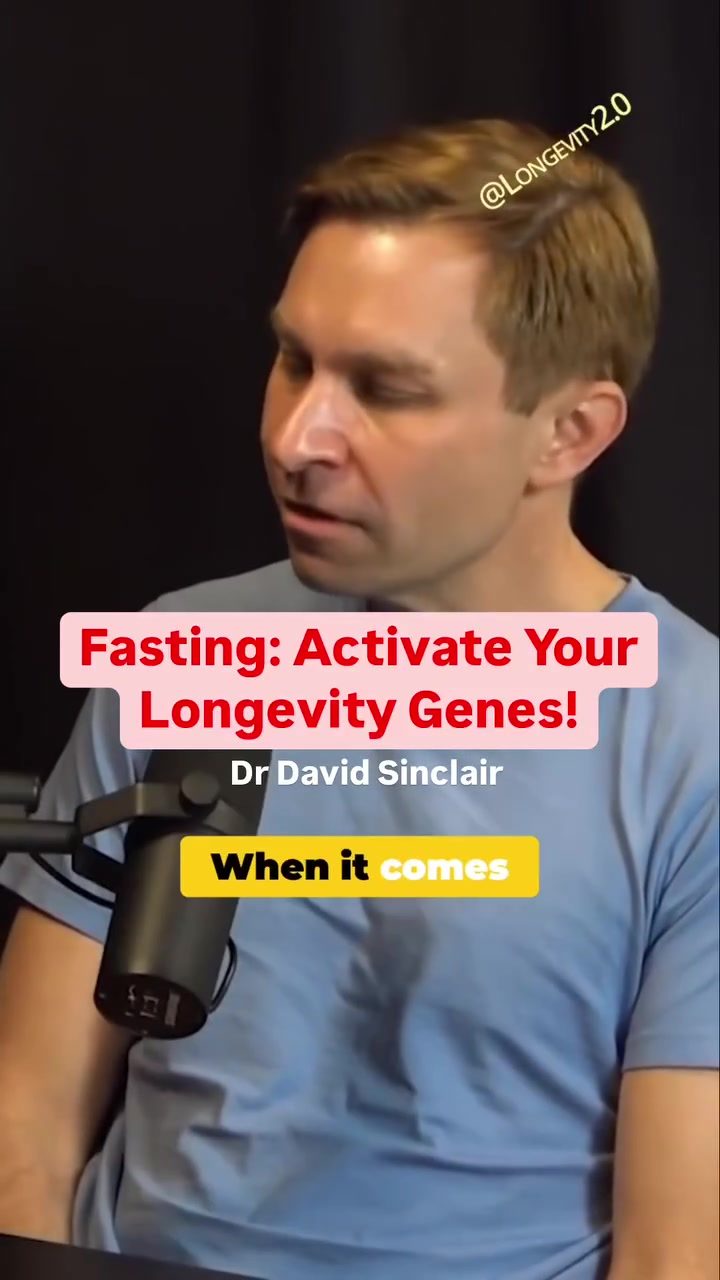
Fasting: Activate Your Longevity Genes
Fasting is one of the oldest and most effective methods to improve health. It has been practiced for thousands of years, and its benefits were known long before modern science. Now, researchers are delving deeper into the optimal ways to fast and understanding how our bodies respond to perceived adversities such as hunger, heat, or cold. These adversities can activate certain genes, potentially enhancing longevity.
Dr. David Sinclair, a renowned expert in the field of longevity, discusses the profound impact of fasting on the body. He explains that when the body is under stress, such as during fasting or intense physical activity, it triggers a defensive state that can activate specific genes. This process is similar to how whales and other long-lived creatures adapt to their environments.
Context / Why this matters
Fasting isn't just about skipping meals; it's about training the body to be more resilient. Dr. Sinclair emphasizes that the body's response to perceived threats, such as being chased by a predator or facing extreme temperatures, can also activate these longevity genes. This means that fasting can put the body into a state where it feels it needs to survive and thrive, potentially leading to longer life and better overall health.
Main discussion
The Science Behind Fasting and Longevity
The body's response to fasting is complex and involves several biological mechanisms. When the body is in a state of perceived adversity, it activates certain genes that can improve metabolism, enhance cellular repair, and even reduce the risk of age-related diseases. Dr. Sinclair explains that this process is not just about feeling hungry; it's about the body adapting to stress and activating its survival mechanisms.
How to Incorporate Fasting into Your Lifestyle
Dr. Sinclair recommends skipping one or two meals a day to enhance longevity. This doesn't mean you have to live an ascetic lifestyle or avoid eating out. It's about making a conscious choice to give your body a break from constant eating. For example, if you skip breakfast or lunch, it can help keep your body in a more active repair-mode, resulting in better health.
The Benefits of Skipping a Meal
Skipping a meal can have profound benefits for both physical and mental health. Dr. Sinclair shares his personal experience of transitioning from skipping breakfast to skipping lunch as well. He reports feeling more energetic, mentally sharper, and sleeping better. This suggests that fasting can have a positive impact on overall well-being and longevity.
Practical tips
Start Slowly
If you’re new to fasting, it’s essential to start slowly. Begin by skipping one meal a day, such as breakfast or lunch. As your body adapts, you can gradually extend the fasting period. Remember, the goal is to put your body under a slight stress that it can adapt to, not to cause excessive hunger.
Stay Hydrated
While fasting, it's crucial to stay hydrated. Drink plenty of water, and consider herbal teas or other non-caloric beverages. Staying hydrated can help mitigate the discomfort of fasting and support your body's natural detoxification processes.
Maintain a Balanced Diet
Even when you're fasting, it's important to maintain a balanced diet during your eating periods. Focus on whole foods, lean proteins, healthy fats, and plenty of fruits and vegetables. This ensures that your body gets the nutrients it needs to function optimally and repair itself during fasting periods.
Listen to Your Body
Pay attention to how your body responds to fasting. If you feel excessively tired or weak, it might be a sign to adjust your fasting schedule. Everyone's body responds differently, so it’s essential to find what works best for you.
Incorporate Physical Activity
Physical activity can enhance the benefits of fasting. Dr. Sinclair suggests that activities such as running, swimming, or other forms of exercise can also put the body in a state of perceived adversity, activating the same longevity genes. Combining fasting with regular exercise can amplify the positive effects on your health and longevity.
Stay Mindful
Fasting is not just about the physical act of skipping meals; it's also about the mindset. Stay mindful of your body's needs and listen to its signals. If you feel overly hungry or weak, it's okay to adjust your fasting schedule. The goal is to create a sustainable practice that supports your overall health and well-being.
Important takeaways
Fasting Activates Longevity Genes
Understanding that fasting can activate specific genes that promote longevity is a powerful insight. This process involves the body's natural response to stress, which can enhance metabolism, cellular repair, and overall health.
Consistency is Key
Consistency is crucial when it comes to fasting. Making fasting a regular part of your routine can help your body adapt and reap the long-term benefits.
Personalize Your Approach
Everyone's body responds differently to fasting, so it's essential to personalize your approach. Start slowly, listen to your body, and adjust your fasting schedule as needed.
Combine with a Healthy Lifestyle
Fasting should be part of an overall healthy lifestyle that includes a balanced diet, regular exercise, and adequate hydration. This holistic approach can maximize the benefits of fasting and support your overall well-being.
Conclusion
Fasting is a powerful tool for enhancing longevity and overall health. By understanding how fasting activates specific genes, you can incorporate this practice into your daily routine and experience its many benefits. Whether you're new to fasting or an experienced practitioner, the key is to listen to your body, stay consistent, and integrate fasting into a healthy lifestyle. As Dr. Sinclair demonstrates, skipping a meal or two a day can be a simple yet effective way to improve your health and feel more youthful.
Questions readers ask
How does fasting activate longevity genes, according to Dr. David Sinclair?
Dr. David Sinclair explains that fasting triggers a defensive state in the body, which can activate specific genes. These genes are involved in processes that enhance resilience and potentially extend lifespan. This occurs as a response to the perceived adversity of hunger.
What are some of the benefits of fasting for health and longevity?
Fasting can improve health and boost longevity by activating longevity genes and enhancing the body's resilience. It can also promote better adaptation to stress, help with weight management, and potentially reduce the risk of age-related diseases.
What types of perceived adversities can activate longevity genes?
Perceived adversities that can activate longevity genes include fasting, intense physical exercise, and exposure to heat or cold. These stressors can help the body adapt, survive, and thrive, similar to how they benefit long-lived animals like whales.
What is the connection between fasting and resilience?
Fasting can boost resilience by activating specific genes that help the body adapt to stress. This process can make the body more robust and better equipped to handle future challenges, contributing to overall health and longevity.
How can I feel well while fasting?
To feel well while fasting, stay hydrated, listen to your body, and gradually increase the duration and frequency of your fasts. It's also important to ensure you're consuming nutritious meals during your eating windows and engaging in mild to moderate exercise.
What is the role of gene expression in fasting and longevity?
Fasting can alter gene expression, activating specific genes that promote longevity and resilience. This change in gene expression is a response to the body's defensive state during fasting, helping to adapt and survive under stress.
What are some fasting tips from Dr. David Sinclair?
Dr. David Sinclair recommends incorporating fasting into your routine to activate longevity genes. He suggests starting with shorter fasts and gradually increasing the duration. Additionally, combining fasting with other forms of stress such as exercise or heat exposure can enhance its benefits.
Related deep dives
Similar reads based on topic and creator.

Recent articles
Fresh deep dives from the latest Reels we unpacked.




Comments
Be the first to comment.