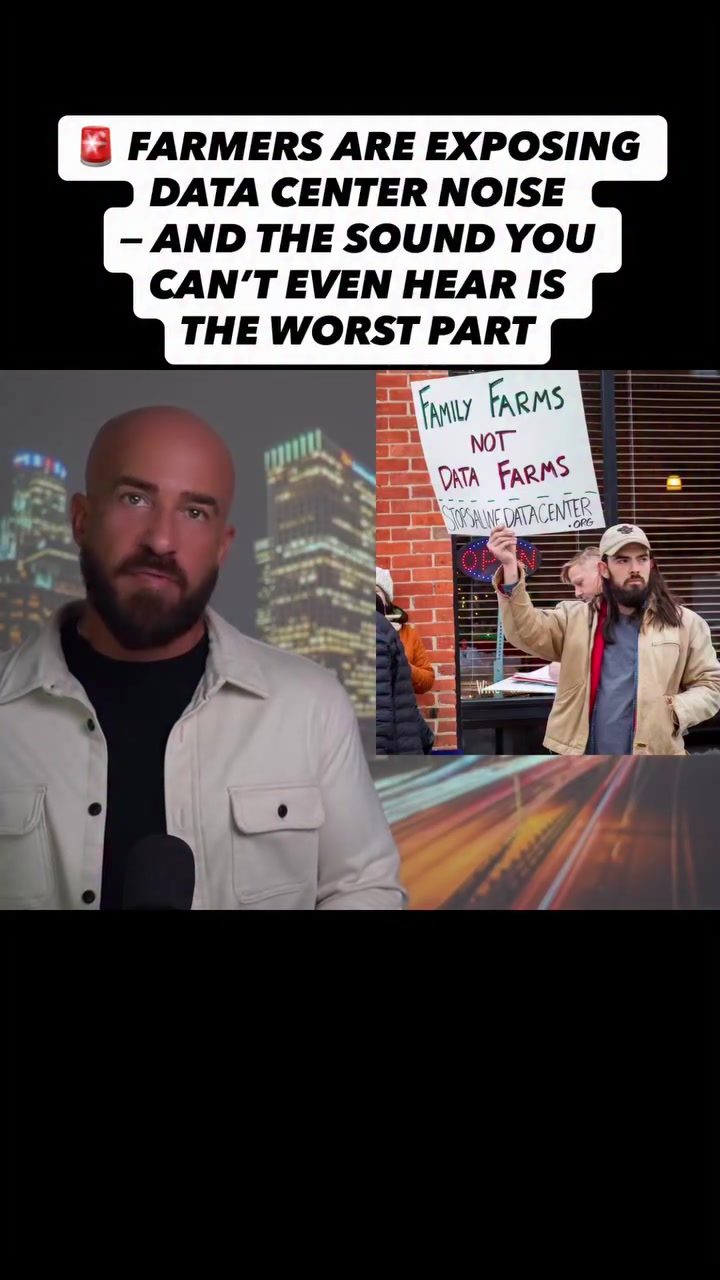
Data Center Noise and Its Impact on Rural Communities
Data centers, essential for powering our digital world, are often perceived as silent giants. Yet, the noise they produce, specifically low-frequency noise (LFN) or infrasound, is causing significant concerns among rural residents, particularly farmers. This issue has come to light as communities near data centers report adverse effects on both their health and livelihoods.
The Inaudible Threat
Data centers, along with battery energy storage systems, generate low-frequency noise due to their constant mechanical operations. These sounds, often below 20 Hertz, are virtually inaudible to humans. However, their impact is far from silent. LNF can penetrate through solid structures, including walls, floors, and even the ground, making it nearly impossible to block. This means that communities living near data centers are constantly exposed to these low-frequency vibrations.
Health Impacts
The health implications of long-term exposure to LFN are severe. Chronic fatigue, headaches, and persistent sleep disturbances have been widely reported. More concerning are the adverse cardiovascular effects, such as vibroacoustic disease, which causes thickening of cardiovascular structures. Additionally, LFN exposure triggers an increase in the stress hormone cortisol, leading to severe physical and psychological distress. Residents have reported higher rates of early-onset health issues, including dementia in the elderly and unexplained illnesses in children.
Impact on Livestock and Agriculture
Farmers living near data centers have reported significant impacts on their livestock. Chickens are laying 50% fewer eggs, while cows, calves, goats, sheep, and pigs are losing up to 30% of their body weight. One farmer, living adjacent to a data center, hasn't had a new calf in over two years due to the constant noise and vibrations. This issue is not limited to mammals; even horses and other farm animals are affected, leading to a decline in overall farm productivity and profitability.
Psychological Warfare
The corporations behind these data centers are often accused of using psychological tactics to discourage resistance. They aim to make residents feel defeated and helpless, encouraging them to accept the situation as inevitable. This tactic, known as psychological warfare, is designed to wear down communities and prevent them from organizing against the data centers.
Organizing for Change
Farmers and rural residents are fighting back. Clayton Tucker, a candidate for Ag Commissioner, advocates for community organization as a means to combat this issue. The message is clear: if Congress and state governments aren't providing help, communities must take matters into their own hands. By banding together, rural residents can exert more pressure on data center operators and advocate for stricter regulations and better soundproofing measures.
Low-Frequency Noise: The Silent Enemy
Low-frequency noise, or infrasound, is any sound frequency below the normal human hearing threshold, typically anything below 20 Hertz. This type of noise is particularly dangerous because it can cause permanent hearing damage and other health issues. Infrasound travels through solid objects, making it nearly impossible to block out. This means that communities living near data centers are constantly exposed to these low-frequency vibrations, leading to a range of health problems.
What Can Be Done?
Addressing the issue of data center noise requires a multi-faceted approach. First, communities need to raise awareness about the dangers of LFN and its impact on health and agriculture. This can be achieved through local advocacy, community meetings, and engaging with lawmakers. Additionally, stricter regulations on data center noise levels and better soundproofing measures are essential to mitigate the impact on nearby residents.
Second, support for farmers and rural communities is crucial. This includes financial assistance for those affected by data center noise and support for agricultural practices that can help mitigate the impact on livestock. Finally, communities need to come together and organize against the psychological warfare tactics used by data center operators. By standing together, rural residents can exert more pressure on data center operators and advocate for the changes needed to protect their health and livelihoods.
Important Takeaways
-
Data centers and battery energy storage systems (BESS) produce low-frequency noise (LFN) or infrasound, which is virtually inaudible but highly penetrative.
-
Exposure to LFN can cause chronic fatigue, headaches, sleep disturbances, cardiovascular issues, and severe physical and psychological distress.
-
Farmers near data centers report significant impacts on their livestock, including decreased egg production and weight loss in animals.
-
Communities are organizing to combat the psychological tactics used by data center operators, advocating for stricter regulations and better soundproofing measures.
-
Support for affected farmers and rural communities is crucial, including financial assistance and support for agricultural practices.
Conclusion
The issue of data center noise and its impact on rural communities is a pressing concern. The inaudible but highly penetrative low-frequency noise produced by data centers is causing significant health and agricultural problems. Communities are fighting back, advocating for stricter regulations, better soundproofing, and support for affected residents. By coming together and organizing, rural communities can protect their health, livelihoods, and the future of their farms.
Related deep dives
Similar reads based on topic and creator.

Recent articles
Fresh deep dives from the latest Reels we unpacked.




Comments
Be the first to comment.