The F-22 Raptor: A Marvel of Aviation Technology
The F-22 Raptor, a fifth-generation stealth fighter jet, is a technological marvel built by Lockheed Martin. Designed to perform at supersonic speeds without the need for afterburners, the F-22 can also execute extreme high-G maneuvers with ease. One of the most spectacular visual phenomena that occurs during these maneuvers is the formation of a thick vapor cloud that envelops the entire aircraft, especially in humid conditions.
Why This Matters
Understanding the F-22 Raptor's capabilities and the science behind its unique visual effects provides insight into the advanced aerodynamics and engineering that go into modern military aircraft. The Raptor's performance and design features are a testament to the advancements in aviation technology, making it a significant piece of military equipment and a subject of fascination for aviation enthusiasts and aerospace professionals.
The Phenomenon of the Prandtl-Glauert Singularity
When the F-22 Raptor approaches transonic speeds near Mach 1 or performs sharp, high-G turns, the air pressure around its wings and fuselage drops sharply. This sudden change in pressure cools the surrounding moisture, causing it to condense into visible water droplets almost instantaneously. The result is a jet-shaped cloud that can temporarily engulf the entire aircraft, creating a mesmerizing visual effect known as the Prandtl-Glauert singularity, or "shock collar."
This phenomenon is purely an aerodynamic reaction to changes in pressure and humidity and has nothing to do with stealth technology or cloaking devices. Despite various viral claims, the vapor cloud is not a result of any secretive technology but rather a natural occurrence due to the aircraft's high-speed flight and the surrounding atmospheric conditions.
The F-22 Raptor's Aerodynamic Capabilities
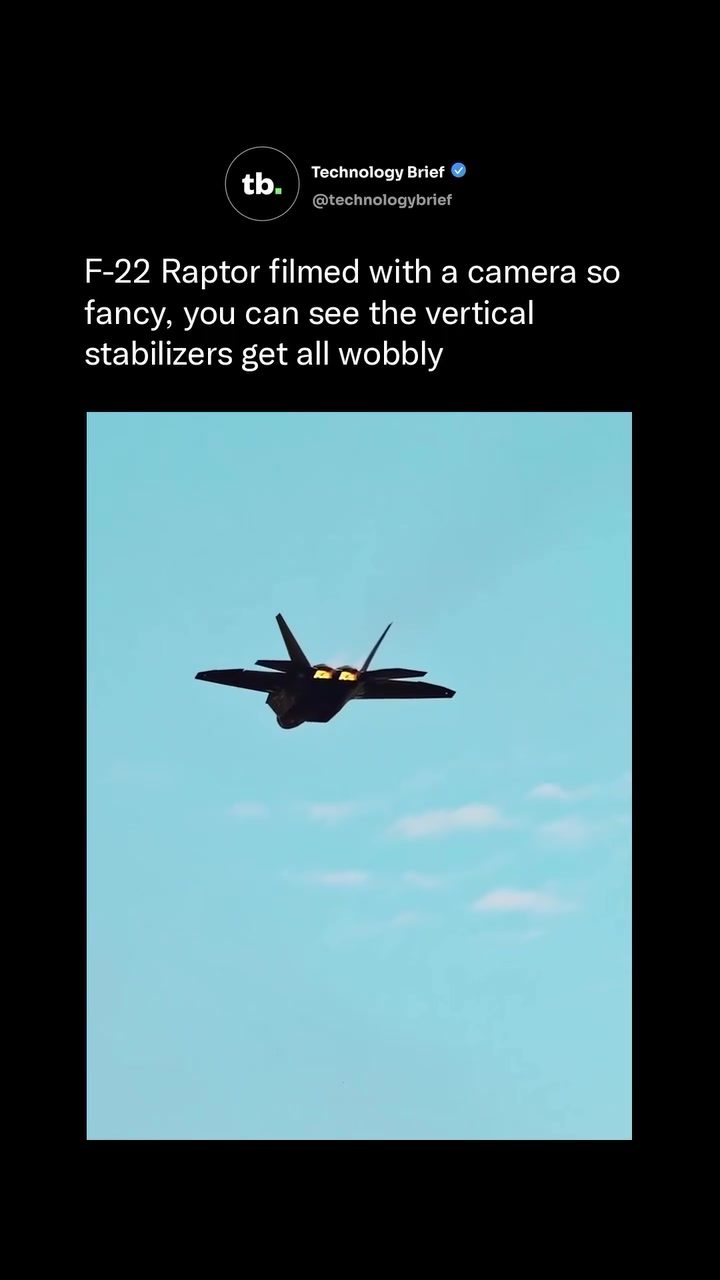
The F-22 Raptor's advanced design allows it to reach Mach 2 at high altitudes, making it one of the most agile and high-performance aircraft ever built. The jet's unique aerodynamic features, including its vertical stabilizers, contribute to its exceptional maneuverability and stability during flight. The shaky camera work in the footage highlights the movement of these stabilizers, offering a close-up look at the subtle yet crucial aerodynamic elements that make the F-22 such a formidable aircraft.
The Raptor's ability to cruise at supersonic speeds without afterburners is a significant advantage, as it reduces fuel consumption and increases the aircraft's operational range. This capability, combined with its stealth features, makes the F-22 an invaluable asset in modern military operations.
The Art of Filming High-Performance Aircraft
The footage of the F-22 Raptor in flight showcases the advanced camera technology used to capture such dynamic scenes. The shaky camera work not only adds to the realism of the footage but also emphasizes the movement of the aircraft's vertical stabilizers, providing a unique perspective on the jet's maneuverability. The camera technology used in this footage is state-of-the-art, capable of capturing high-speed movements and subtle aerodynamic details with precision.
Advanced Camera Technology in Aviation
The ability to film high-performance aircraft like the F-22 Raptor requires specialized camera equipment that can handle the extreme conditions of flight. The camera technology used in this footage is designed to capture the rapid movements and intricate details of the aircraft's aerodynamics, offering viewers a closer look at the Raptor's capabilities. Whether it's the vertical stabilizers or the vapor cloud, every detail is captured with stunning clarity, providing a comprehensive view of the aircraft's performance.
Practical Tips for Filming Aviation Footage
For those interested in capturing high-quality footage of aviation marvels, here are some practical tips to keep in mind:
- Invest in High-Quality Equipment: High-speed cameras with advanced stabilization features are essential for capturing the fast-paced movements of aircraft.
- Choose the Right Location: Selecting a location with favorable atmospheric conditions can enhance the visibility of aerodynamic effects, such as the vapor cloud.
- Safety First: Ensure that you follow all safety protocols and guidelines when filming near aircraft or at aerospace facilities.
- Stabilization Techniques: Use stabilization techniques to minimize camera shake and capture smooth, clear footage.
- Knowledge of Aircraft: Understanding the aircraft's capabilities and flight patterns can help you anticipate and capture key moments during the flight.
Important Takeaways
The F-22 Raptor is a groundbreaking aircraft that demonstrates the pinnacle of aviation technology. Its ability to perform extreme maneuvers and the unique aerodynamic phenomenon of the Prandtl-Glauert singularity make it a subject of great interest for aviation enthusiasts and professionals alike. The advanced camera technology used to capture footage of the Raptor in flight provides a rare and detailed look at the aircraft's capabilities, highlighting the intricate details of its design and performance.
Conclusion
The F-22 Raptor's performance and the science behind its spectacular visual effects offer a fascinating glimpse into the world of advanced aviation technology. Whether you're an aviation enthusiast, aerospace professional, or simply curious about the wonders of flight, the F-22 Raptor is a marvel worth exploring. Its unique capabilities and the phenomena that occur during high-speed flight are a testament to the advancements in aerodynamics and engineering that define modern aviation.
Questions readers ask
What is the Prandtl-Glauert singularity seen during F-22 Raptor maneuvers?
The Prandtl-Glauert singularity is a visible vapor cloud that forms around the F-22 Raptor during high-G turns. This phenomenon is caused by rapid changes in air pressure and humidity as the aircraft performs extreme maneuvers, often resulting in a mesmerizing display of clouds engulfing the jet.
Can the F-22 Raptor reach supersonic speeds without afterburners?
Yes, the F-22 Raptor is uniquely designed to achieve supersonic speeds without relying on afterburners. This capability is a testament to its advanced engine technology and aerodynamic design, which allow it to maintain high speeds efficiently.
What makes the F-22 Raptor's high-G maneuvers possible?
The F-22 Raptor's ability to perform high-G maneuvers is due to its robust airframe and advanced flight control systems. These features enable the aircraft to withstand and execute extreme vertical and horizontal maneuvers, showcasing its exceptional agility and performance.
Why does the F-22 Raptor produce a vapor cloud during high-speed turns?
The vapor cloud, or Prandtl-Glauert singularity, is produced due to the rapid expansion and condensation of moisture in the air as the F-22 Raptor executes high-speed turns. The sudden drop in air pressure causes the moisture to condense, forming a visible cloud around the aircraft.
What are some key features of the F-22 Raptor's technology?
The F-22 Raptor is equipped with advanced stealth technology, making it difficult to detect by radar. Its aerodynamic design allows for superior maneuverability and speed, while its avionics and sensor systems provide enhanced situational awareness and combat capabilities.
How does the F-22 Raptor's performance influence modern aviation?
The F-22 Raptor's performance, including its ability to reach supersonic speeds and execute extreme maneuvers, has influenced the design and development of modern military aircraft. Its advanced technology and capabilities serve as a benchmark for other aircraft in the industry.
Related deep dives
Similar reads based on topic and creator.




Recent articles
Fresh deep dives from the latest Reels we unpacked.




Comments
Be the first to comment.