Human Lifespan Extension: Current Research and Clinical Trials
Human lifespan extension is a hot topic in modern science. Researchers have made significant strides in understanding the aging process and exploring ways to extend human life. This exploration is grounded in successful experiments with other animals, as well as ongoing clinical trials focused on humans.
Why This Matters
Understanding the potential to extend human lifespan is crucial for several reasons. It has implications for healthcare, societal planning, and the quality of life for future generations. The possibility of adding decades to human life would revolutionize medicine, economics, and even social structures. The quest to extend human lifespan is not just about living longer; it's about living healthier, more fulfilling lives.
Lab Experiments and Animal Studies
Successful Experiments in Other Species
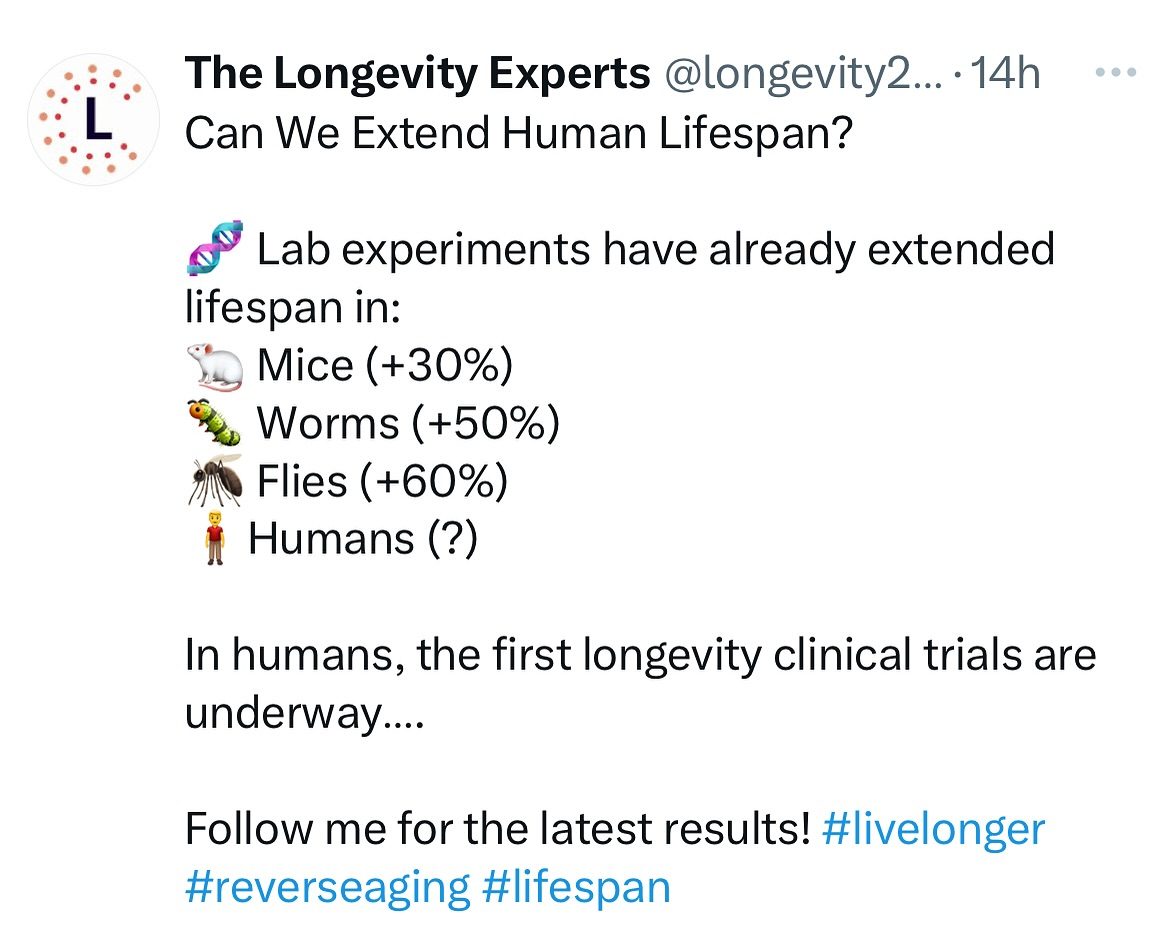
Lab experiments have already demonstrated significant lifespan extensions in various animal species. Mice, for example, have shown a lifespan increase of up to 30%. Worms have experienced a remarkable 50% extension, while flies have seen their lifespans extended by up to 60%. These experiments provide a foundation for exploring similar possibilities in humans.
One of the key areas of research involves manipulating genes and biological pathways that control aging. For instance, studies on worms and flies have shown that altering specific genes can extend their lifespan. These findings suggest that similar genetic interventions could potentially be applied to humans.
Human Longevity Clinical Trials
While animal studies offer promising insights, the real test lies in human clinical trials. The first anti-aging clinical trials in humans are now underway, marking a pivotal moment in longevity research. These trials aim to translate the success seen in animal studies into tangible benefits for human health and longevity.
Key Areas of Research
-
Genetic Interventions: Researchers are exploring how specific genetic modifications can influence the aging process. These interventions aim to mimic the successes seen in animal studies, where genetic alterations have led to significant lifespan extensions.
-
Pharmaceutical Approaches: Another area of focus is the development of pharmaceuticals that can slow down or reverse the aging process. These drugs target various biological pathways that are known to contribute to aging.
-
Lifestyle and Dietary Interventions: Besides genetic and pharmacological approaches, lifestyle and dietary interventions are also being studied. These include caloric restriction, specific diets, and exercise regimens that have shown promise in extending lifespan and improving health.
The Role of The Longevity Experts
The Longevity Experts are at the forefront of sharing updates on longevity research. They provide valuable insights into the latest findings and clinical trials, helping to bridge the gap between scientific research and public understanding. Their work is instrumental in keeping the public informed about the progress and potential of human lifespan extension.
Practical Tips for Longevity
While the science of longevity is still evolving, there are several practical steps you can take to support a longer, healthier life:
-
Maintain a Healthy Diet: A balanced diet rich in nutrients can significantly impact your health and longevity. Focus on whole foods, including fruits, vegetables, lean proteins, and whole grains.
-
Regular Exercise: Regular physical activity is essential for maintaining good health. Aim for a mix of aerobic exercise, strength training, and flexibility exercises.
-
Stay Mentally Active: Engaging in mentally stimulating activities can help keep your mind sharp and may contribute to a longer, healthier life. Consider activities like reading, puzzles, or learning new skills.
-
Prioritize Sleep: Quality sleep is crucial for overall health. Aim for 7-9 hours of sleep per night and maintain a consistent sleep schedule.
Important Takeaways
The potential to extend human lifespan is both exciting and complex. Here are some key takeaways:
- Animal Studies Provide a Foundation: Successful experiments in mice, worms, and flies offer a promising foundation for human research.
- Human Clinical Trials Are Underway: The first anti-aging clinical trials in humans are now in progress, marking a significant step forward.
- Multiple Approaches Are Being Explored: Genetic interventions, pharmaceuticals, and lifestyle changes are all areas of active research.
- Stay Informed: Organizations like The Longevity Experts are instrumental in keeping the public updated on the latest research and findings.
Conclusion
The quest to extend human lifespan is a multidisciplinary endeavor involving genetics, pharmacology, and lifestyle interventions. While significant progress has been made in animal studies, the real test lies in human clinical trials. Staying informed and taking proactive steps toward a healthier lifestyle can help you benefit from the advancements in longevity research. As the science continues to evolve, the future holds the promise of longer, healthier lives for all.
Questions readers ask
What kinds of animals have been used in successful lifespan extension experiments?
Lab experiments have shown promising results in extending the lifespan of various animals, including mice, worms, and flies. These organisms are often used due to their relatively short lifespans, which allow researchers to study the effects of interventions more quickly.
How do these animal studies translate into human applications?
Successful animal studies provide a foundation for understanding the mechanisms of aging. Ongoing clinical trials are now building on these findings to develop and test interventions in humans, aiming to translate the benefits observed in animals into practical health benefits for people.
What are some of the key findings from lab experiments in extending lifespan?
Key findings include the role of specific genes and pathways, such as those related to caloric restriction and metabolic processes. Research has also highlighted the importance of cellular repair mechanisms and the impact of dietary and environmental factors on longevity.
What are the first human longevity trials focusing on?
Initial human longevity trials are concentrating on interventions that have shown promise in animal studies, such as specific medications, dietary supplements, and lifestyle modifications. These trials aim to assess the safety and efficacy of these interventions in extending human lifespan and improving overall health.
How might extending human lifespan impact society and healthcare?
Extending human lifespan could have profound implications for society and healthcare. It would require adjustments in healthcare systems to accommodate longer lifespans, as well as potential shifts in economic and social structures to support an aging population, and plan adequate resources for the elderly.
What are some of the most notable breakthroughs in longevity research?
Notable breakthroughs include the discovery of genes that influence aging, such as those related to insulin signaling and DNA repair. Additionally, advancements in understanding the role of inflammation, oxidative stress, and cellular senescence in the aging process have paved the way for new therapeutic approaches.
Related deep dives
Similar reads based on topic and creator.




Recent articles
Fresh deep dives from the latest Reels we unpacked.




Comments
Be the first to comment.