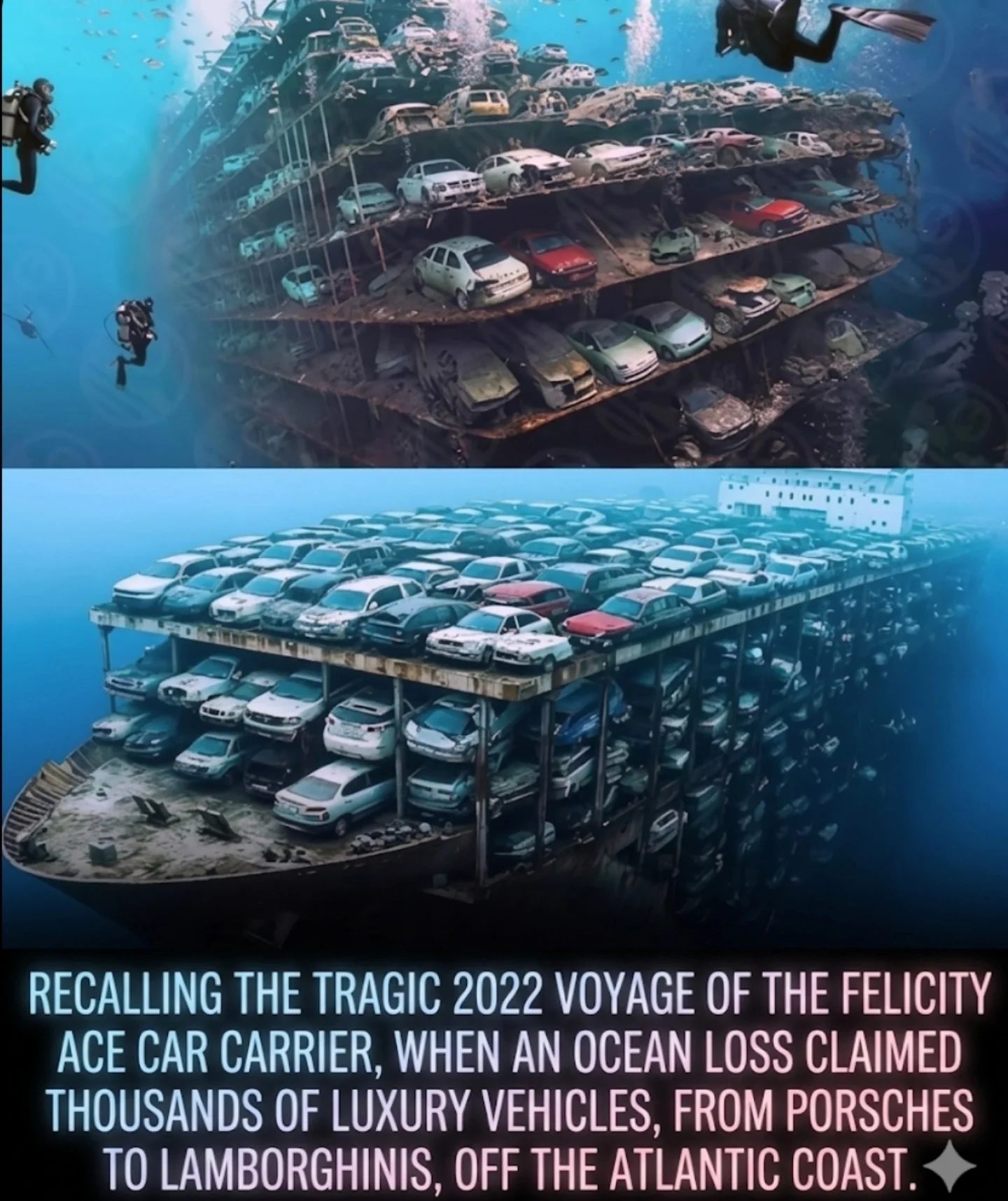
Sunken Luxury Cars: The Tragic Tale of the Felicity Ace
The Felicity Ace, a 2022 maritime disaster, is a stark reminder of the ocean's unpredictable nature and the high stakes involved in maritime shipping. The catastrophic event resulted in the sinking of a ship carrying thousands of luxury vehicles, including brands like Porsche, Lamborghini, Audi, and Bentley. The incident occurred off the Atlantic Coast near the Azores Islands, off the coast of Portugal.
Context: Maritime Shipping and High-Value Cargo
The Felicity Ace's journey began in Germany and was destined for Rhode Island, USA. The ship, a car carrier, was part of a vast network of maritime shipping routes that transport goods globally. When dealing with high-value cargo like luxury vehicles, the stakes are incredibly high. The loss of such cargo not only results in significant financial damage but also disrupts the supply chain and affects the brand's reputation.
The Incident: A Fire at Sea
The Fire
In February 2022, a fire broke out in the cargo hold of the Felicity Ace. The ship was carrying 3,965 vehicles from the Volkswagen Group, with an estimated loss of over $400 million. The fire was devastating, and despite the crew of 22 being safely evacuated, the fire burned for days. The cause of the fire has not been officially determined, but it is speculated that it may have originated due to an issue with the cargo or a malfunction in the ship's electrical systems.
The Sinking
The ship's fate was sealed when it was battered by waves and the intense heat of the fire. After being towed toward safety, it lost stability and sank on March 1, 2022. The ship now rests about 3,000 meters (nearly 10,000 feet) underwater, making it inaccessible to scuba divers and too deep for clear photography or video footage. This depth also means that the light does not penetrate as brightly as in the AI-generated images that have circulated.
The Luxury Cargo: A Significant Loss
The vehicles on board the Felicity Ace were not just any cars; they were luxury models from some of the most prestigious brands in the world. The loss included:
- Porsche: 1,117 cars
- Audi: 1,944 cars
- Volkswagen: 561 cars
- Bentley: 189 cars
- Lamborghini: 85 cars
Among the Lamborghinis were 15 "Aventador Ultimae" editions, which were out of production and had to be specially restarted by the factory to replace the lost units. The loss of these vehicles is not just a financial hit but also a blow to the brand's supply chain and production schedules.
The Recovery Efforts
The recovery of the Felicity Ace and its cargo is nearly impossible due to its depth and the condition of the wreckage. The ocean's harsh environment, including strong currents and corrosive saltwater, would make any recovery operation extremely challenging and costly. Therefore, the focus has shifted to understanding what went wrong and preventing similar incidents in the future.
The Impact on the Automotive Industry
The loss of the Felicity Ace had a ripple effect on the automotive industry. The sudden unavailability of thousands of luxury vehicles disrupted supply chains and forced manufacturers to adjust their production and distribution schedules. The incident also highlighted the vulnerabilities in maritime shipping and the need for more robust safety measures for high-value cargo.
Why this matters
The story of the Felicity Ace serves as a sobering reminder of the risks involved in maritime shipping, especially when high-value cargo is involved. It underscores the importance of stringent safety protocols, regular inspections, and advanced safety technology in preventing such disasters. The incident also highlights the delicate balance between risk and reward in the global supply chain, emphasizing the need for resilient and adaptable strategies.
Practical Tips for Maritime Shipping of High-Value Cargo
Enhanced Security Measures
Implementing advanced security measures, such as real-time monitoring systems and automated fire suppression systems, can help prevent and mitigate fires on board ships. Regular inspections and maintenance of electrical systems and cargo holds are also crucial.
Comprehensive Insurance
Given the high value of luxury vehicles, ensuring comprehensive insurance coverage is essential. This not only provides financial protection but also ensures that the supply chain can quickly recover from such losses.
Emergency Preparedness
Having a robust emergency preparedness plan is critical. This includes training crew members on fire safety and evacuation procedures, as well as having contingency plans for alternative shipping routes and methods.
Important Takeaways
The Felicity Ace incident highlights several key takeaways for the maritime shipping industry:
- Fire Safety: The fire that broke out in the cargo hold was a significant contributing factor to the sinking of the ship. Ensuring robust fire safety measures and regular inspections of the cargo hold and electrical systems are essential.
- Environmental Factors: The harsh ocean environment, including strong currents and corrosive saltwater, posed significant challenges to the recovery of the vessel and its cargo. Understanding and preparing for these environmental factors is crucial.
- Immediate Response: The timely evacuation of the crew and the prompt response to the fire were critical in saving lives, but the ship could not be saved. A swift response to any incidents is crucial for mitigating damage and ensuring the safety of the crew.
Conclusion
The tragic voyage of the Felicity Ace is a stark reminder of the risks involved in maritime shipping, especially when high-value cargo is at stake. The incident underscores the need for stringent safety protocols, comprehensive insurance, and robust emergency preparedness plans. The loss of thousands of luxury vehicles highlights the delicate balance between risk and reward in the global supply chain and serves as a call to action for the maritime shipping industry to enhance safety measures and improve resilience.
Questions readers ask
What caused the sinking of the Felicity Ace in 2022?
The Felicity Ace sank due to a cargo fire that started on board while it was traveling from Germany to Rhode Island, USA. The fire, which involved thousands of luxury cars, led to the ship's demise off the coast of the Azores Islands in the Atlantic Ocean.
Which luxury car brands were lost in the Felicity Ace disaster?
The sinking of the Felicity Ace resulted in the loss of a significant number of luxury vehicles, including high-end brands like Porsche, Lamborghini, Audi, and Bentley.
How many luxury cars were on board the Felicity Ace when it sank?
The Felicity Ace was carrying thousands of luxury vehicles when it sank. Exact numbers vary, but estimates suggest the ship was transporting around 4,000 cars at the time of the incident.
What happened to the luxury vehicles after the Felicity Ace sank?
The luxury vehicles on board the Felicity Ace were submerged in the Atlantic Ocean following the shipwreck. The exact condition and location of the vehicles remain uncertain, as the wreckage is situated in deep waters near the Azores Islands.
Were there any casualties or injuries reported from the Felicity Ace disaster?
Fortunately, there were no reported deaths or serious injuries from the Felicity Ace disaster. All 22 crew members were evacuated safely before the ship sank.
What are the risks associated with transporting high-value cargo like luxury cars by sea?
Transporting high-value cargo by sea involves significant risks, including the potential for fires, shipwrecks, and damage from severe weather. The Felicity Ace incident underscores the challenges and uncertainties of maritime shipping for luxury vehicles.
What measures can be taken to prevent similar maritime disasters in the future?
To prevent similar disasters, shipping companies can implement stricter safety protocols, enhance fire detection and suppression systems, and improve crew training. Additionally, regular maintenance and inspections of vessels can help identify and mitigate potential issues before they escalate.
Related deep dives
Similar reads based on topic and creator.




Recent articles
Fresh deep dives from the latest Reels we unpacked.




Comments
Be the first to comment.