ReCAPTCHA: The Science Behind Distinguishing Humans from Robots
The question of how to differentiate between humans and robots online has become increasingly important in an automated world. This challenge is particularly evident in the technology known as reCAPTCHA. This automated Turing test is designed to separate computers from humans, but it goes far beyond simple tests.
Context / Why This Matters
ReCAPTCHA is not just about verifying users; it's about understanding the subtle behaviors that make us human. Whether it's clicking a box to prove you're not a robot or navigating more complex challenges, these systems are constantly evolving to keep up with the advancements in artificial intelligence.
The Evolution of reCAPTCHA
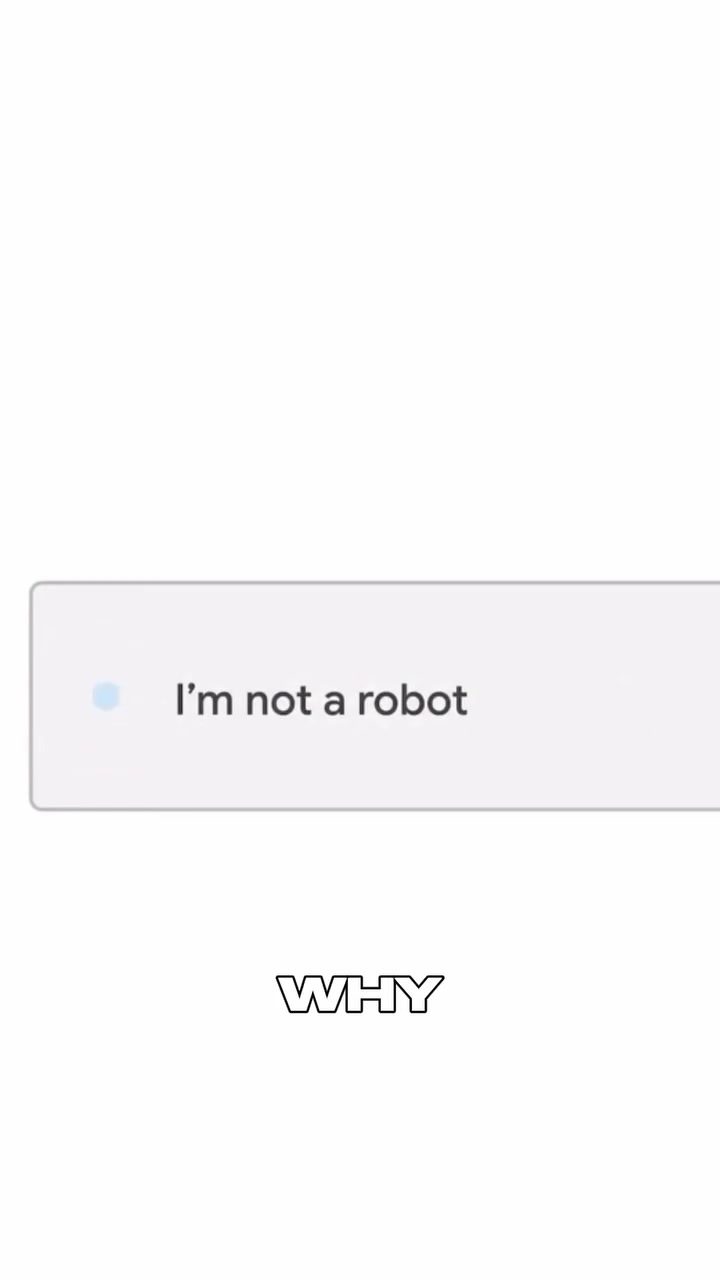
When reCAPTCHA was first introduced, it primarily involved tasks like identifying distorted text. Robots, over time, have become proficient at these tasks. The classic example is the "I'm not a robot" checkbox that many users encounter. It might seem like a simple action, but this technology is now used alongside more sophisticated methods to track behavior.
From Simple Checks to Behavioral Analysis
The technology has moved beyond simple clicks. Modern reCAPTCHA systems monitor the behavior of users before they even interact with the prompt. For instance, they track how a user moves their mouse before clicking the checkbox. Robots tend to move the mouse in a more linear, precise fashion, whereas humans exhibit more erratic, unpredictable movements.
Behavior as a Marker of Humanity
Establishing what makes humans human is not a new question, but the tools and methods for answering it have evolved considerably. The reCAPTCHA system is designed to identify these subtle behavioral cues. It's not just about the movement of a cursor or the time it takes to complete a task. The system evaluates a combination of factors to determine if the actions are consistent with human behavior.
The Role of Behavioral Tracking
Behavioral tracking is a cornerstone of modern reCAPTCHA systems. This involves analyzing a variety of metrics to differentiate between human and robotic behavior. Some of these metrics include:
Mouse Movements
Mouse movements are a key indicator. Robots tend to move the mouse in a straight line, while humans often move the cursor in a more erratic, unpredictable manner. This is because human movements are influenced by various factors, including fatigue, distraction, and natural muscle movements.
Click Patterns
The way a user clicks can also provide clues. Humans typically have a slightly longer reaction time and may click in a less precise manner compared to robots. Robots, on the other hand, can click with perfect precision and speed.
Task Completion Time
The time it takes to complete a task is another important metric. Humans may take longer to complete tasks due to distractions or other interruptions, while robots can complete tasks quickly and consistently.
The Beauty of Being Human
The process of constantly refining these systems to distinguish between humans and robots is not just about security; it's also about appreciating the complexity and unpredictability of human behavior. There's a certain beauty in the continuous effort to figure out what makes us different from machines.
Practical Tips
While the technology behind reCAPTCHA is sophisticated, there are some practical tips for users to ensure they pass these checks:
Be Natural
Act naturally when interacting with these prompts. Unusual or overly precise movements can trigger the system to suspect robotic behavior.
Avoid Repeated Patterns
Repeating the same patterns can also be a red flag. Vary your movements and interactions to mimic natural human behavior.
Be Patient
Take the time to complete the tasks. Rushed actions can sometimes be a sign of automated behavior.
Important Takeaways
There are several key takeaways from understanding reCAPTCHA and the broader question of differentiating humans from robots:
- Behavioral Cues: The way we move and interact with technology is a key differentiator.
- Behavioral Tracking: Modern systems rely on behavioral tracking to identify humans.
- Continuous Evolution: The technology is constantly evolving to keep up with advancements in AI.
- Human Complexity: The process highlights the complexity and unpredictability of human behavior.
Conclusion
The technology behind reCAPTCHA and similar systems is a testament to the ongoing quest to understand what makes us human. It's not just about verifying users; it's about appreciating the subtle, unpredictable nature of human behavior. As automation continues to advance, so too will the methods for distinguishing between humans and robots, ensuring a more secure and human-centric digital experience.
Questions readers ask
How does reCAPTCHA technology differentiate between human users and automated bots?
reCAPTCHA uses advanced behavioral analysis to tell humans and bots apart. It examines subtle human behaviors, such as mouse movements, click patterns, and interaction times, which are difficult for bots to replicate accurately.
What are some examples of human behaviors that reCAPTCHA analyzes?
reCAPTCHA analyzes various human behaviors, including the speed and pattern of mouse movements, the time taken to interact with elements on a page, and the sequence of clicks. These behaviors are unique to humans and help reCAPTCHA distinguish them from automated bots.
How has reCAPTCHA evolved over time to improve its bot detection capabilities?
reCAPTCHA has evolved from simple text identification tests to advanced behavioral analysis. Early versions required users to type distorted text, but modern reCAPTCHA systems monitor user interactions and behaviors to detect bots more effectively.
Why is it important for reCAPTCHA to stay updated with advancements in artificial intelligence?
As artificial intelligence advances, bots become more sophisticated. reCAPTCHA needs to stay updated to maintain its effectiveness in distinguishing humans from bots. Regular updates help ensure that the system can adapt to new threats and maintain online security.
What role does mouse movement analysis play in reCAPTCHA's bot detection process?
Mouse movement analysis is crucial in reCAPTCHA's bot detection process. By examining the speed, direction, and pattern of mouse movements, reCAPTCHA can identify the natural, unpredictable behaviors of humans, which are difficult for bots to mimic.
How does reCAPTCHA use behavioral analysis to enhance online security?
reCAPTCHA uses behavioral analysis to enhance online security by monitoring a user's interactions with a website. It looks for inconsistencies that may indicate bot activity, such as unusually fast or mechanical movements, helping to keep automated bots from accessing sensitive information or causing harm.
Are there different types of reCAPTCHA tests, and if so, what are they?
Yes, there are different types of reCAPTCHA tests. The most common include reCAPTCHA v2, which uses a checkbox and may present additional challenges, and reCAPTCHA v3, which operates in the background, scoring user interactions to determine the likelihood of a user being a bot. Invisible reCAPTCHA is another type which silently analyzes interactions to identify potential bot activity.
Related deep dives
Similar reads based on topic and creator.




Recent articles
Fresh deep dives from the latest Reels we unpacked.




Comments
Be the first to comment.