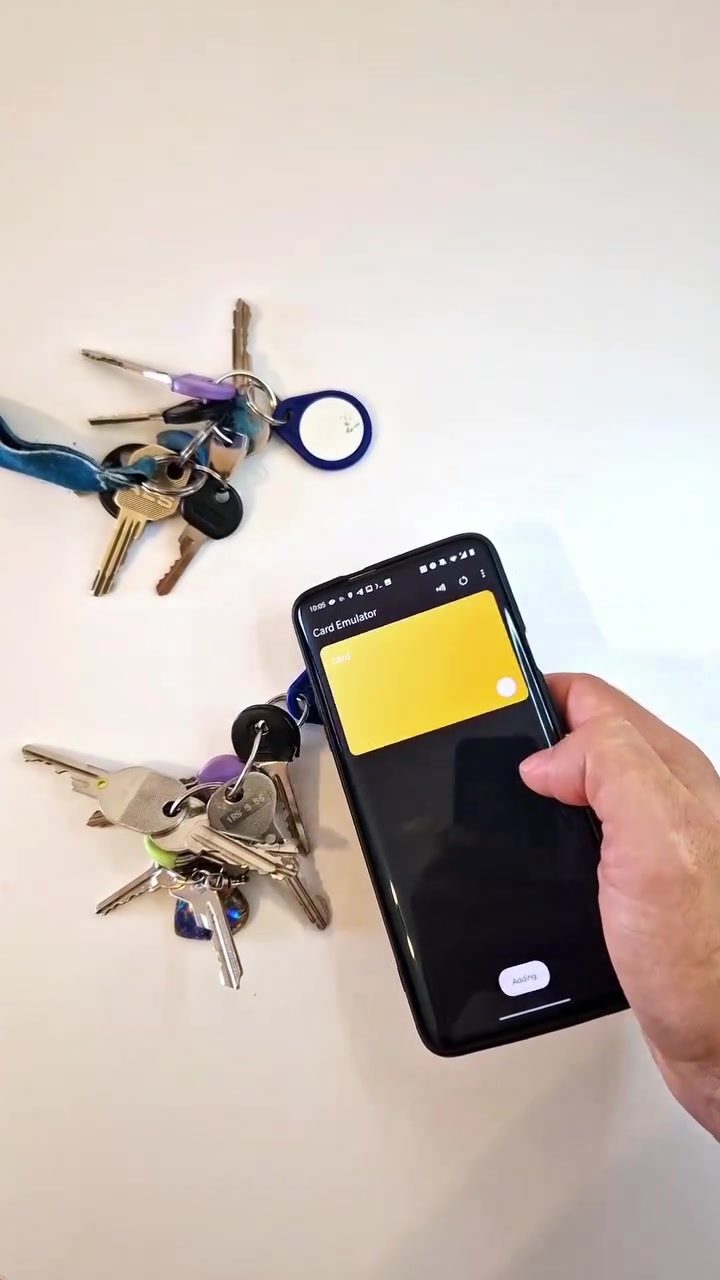
NFC Card Emulator: A Backpack Arsenal Tool for Mobile Hackers
NFC card emulators are a versatile tool in the hacking and security toolkit, allowing for a wide range of applications, from testing security systems to experimenting with smart devices. These compact devices emulate NFC cards, making them invaluable for penetration testers, security researchers, and hobbyists alike.
Context / Why This Matters
In an increasingly connected world, understanding and compromising NFC technology can provide unique insights into how modern devices and systems operate. NFC (Near Field Communication) is a ubiquitous technology found in smartphones, payment systems, and smart locks. NFC card emulators enable users to mimic NFC cards, allowing for a deeper examination of how these systems function and their potential vulnerabilities.
Main Discussion
What is an NFC Card Emulator?
An NFC card emulator is a device designed to mimic the behavior of various different NFC cards. This allows for emulation of cards like payment cards, access cards, and more. The emulator can be programmed to mimic the data and protocols used by these cards, making it an essential tool for:
- Penetration testing
- Security assessments
- Smart device experimentation
How Does an NFC Card Emulator Work?
NFC card emulators work by intercepting and mimicking the communication protocols used by NFC cards. The device can be configured to simulate different card types and data responses, enabling a variety of applications. Here's a breakdown of the process:
- Data Programming: The emulator is programmed with the specific data and protocols of the NFC card it aims to replicate. This data can include unique identifiers, encryption keys, and more.
- Communication Interface: The emulator communicates with the target NFC reader, mimicking the behavior of the original card. This involves emulating the card's responses to reader queries and commands.
- Interface Configuration: Modern emulators have user-friendly interfaces that allow for various configurations and scripts. This can include firmware updates, infrared configurations, and interpreter settings.
- Smartphone Integration: These emulators can be easily integrated with smartphones, making them portable and convenient for on-the-go testing and assessments.
Applications of NFC Card Emulation
Smartphone Integration
One of the standout features showcased in the demo is the emulator's compatibility with smartphones. This integration makes it highly portable and practical for fieldwork. By connecting the emulator to a smartphone, users can leverage their mobile devices to configure and control the emulator, making the process seamless and efficient.
Configurable Interface
The emulator's interface is a critical aspect that enhances its functionality. The interface allows for various configurations and scripts, including firmware updates and interpreter settings. This configurability makes the emulator a versatile tool for different scenarios, from testing access control systems to experimenting with smart devices.
Security Testing
The ability to emulate NFC cards makes this device an invaluable tool for security professionals. By mimicking real-world NFC cards, security experts can test the robustness of various systems, identify potential vulnerabilities, and develop countermeasures.
Practical Tips
Choosing the Right NFC Card Emulator
When selecting an NFC card emulator, there are several factors to consider:
- Compatibility: Ensure the emulator is compatible with the NFC readers you plan to test.
- Configurability: Look for models that offer a range of configuration options and support for various scripts and firmware updates.
- Portability: Since many tests may require on-site visits, a portable emulator that can be integrated with a smartphone is ideal.
- Community and Support: Devices with active communities and good support can be a significant advantage, providing access to shared knowledge and troubleshooting resources.
Setting Up and Using an NFC Card Emulator
- Initial Configuration: Begin by programming the emulator with the necessary data and protocols. This can often be done via a user-friendly interface or through specific software.
- Connecting to a Smartphone: If your emulator supports smartphone integration, connect it via the appropriate interface (e.g., Bluetooth, USB) and install any required apps or drivers.
- Testing and Validation: Perform initial tests to ensure the emulator is functioning correctly. Validate its responses against known good NFC cards to ensure accuracy.
- Field Testing: Use the emulator in real-world scenarios to test the security of various systems, documenting any findings and potential vulnerabilities.
Important Takeaways
NFC card emulators offer a powerful way to test and understand the security of NFC-enabled systems. Their portability, configurability, and compatibility with smartphones make them an essential tool for hackers and security professionals. By emulating NFC cards, users can gain valuable insights into how these systems operate and identify potential weaknesses.
Remember:
- Choose an emulator with a user-friendly interface and robust configuration options.
- Ensure compatibility with the systems you plan to test.
- Leverage smartphone integration for portability and convenience.
- Use the emulator within legal and ethical guidelines to test and improve security systems.
Conclusion
NFC card emulators are a powerful addition to the toolkit of any security researcher or penetration tester. By allowing for the emulation of NFC cards, these devices provide unique insights into the security and functionality of modern systems. Whether you're testing access control systems, payment terminals, or other NFC-enabled devices, an NFC card emulator is an invaluable tool for understanding and securing these technologies.
Questions readers ask
What is an NFC card emulator and how does it work?
An NFC card emulator is a portable device designed to mimic the behavior of various NFC cards. It works by transmitting the same data as a legitimate NFC card, allowing it to interact with NFC readers in the same way. This makes it a powerful tool for testing and understanding NFC systems.
What are some practical applications of NFC card emulators for mobile hackers?
NFC card emulators can be used for a variety of purposes by mobile hackers, including testing the security of NFC-enabled systems, mimicking access cards to bypass physical security measures, and experimenting with smart devices that use NFC for communication. Additionally, they can be used to test for NFC vulnerabilities in mobile devices and other systems.
How can NFC card emulators be used to test NFC security systems?
NFC card emulators can be employed to test the security of NFC systems by attempting to mimic authorized NFC cards. This helps identify vulnerabilities and weaknesses in the system, such as improper validation of card data or lack of encryption. By exploiting these issues, security researchers can work to improve the overall security of NFC-enabled systems.
What are the limitations of NFC card emulators in mobile hacking?
While powerful, NFC card emulators have limitations. They typically operate within a close range, usually a few centimeters, which can make them less effective for long-range attacks. Additionally, their effectiveness depends on the specific implementation of the NFC system being targeted, as some systems may have additional security measures in place.
Can NFC card emulators be used to hack into smartphones?
NFC card emulators can potentially be used to interact with smartphones that have NFC capabilities, such as those used for mobile payments or data transfer. However, hacking into a smartphone typically requires more than just mimicking an NFC card. It often involves exploiting vulnerabilities in the smartphone's operating system or apps, which goes beyond the capabilities of an NFC card emulator alone.
What should be considered when using an NFC card emulator for security research?
When using an NFC card emulator for security research, it is important to obtain proper authorization to test the targeted systems and comply with all relevant laws and regulations. Additionally, users should be aware of the ethical implications of their actions and strive to use these tools responsibly to improve security rather than cause harm.
How can NFC card emulators be integrated into a hacker's toolkit?
NFC card emulators are a valuable addition to a hacker's toolkit due to their versatility and portability. They can be easily carried in a backpack, making them a convenient tool for on-site security assessments and penetration testing. When integrated with other hacking tools, such as RFID readers and wireless sniffers, they can provide a comprehensive suite for exploring and securing NFC-enabled environments.
Related deep dives
Similar reads based on topic and creator.




Recent articles
Fresh deep dives from the latest Reels we unpacked.




Comments
Be the first to comment.