Emotional Mentoring and the "Mankeeping" Dynamic in Modern Relationships
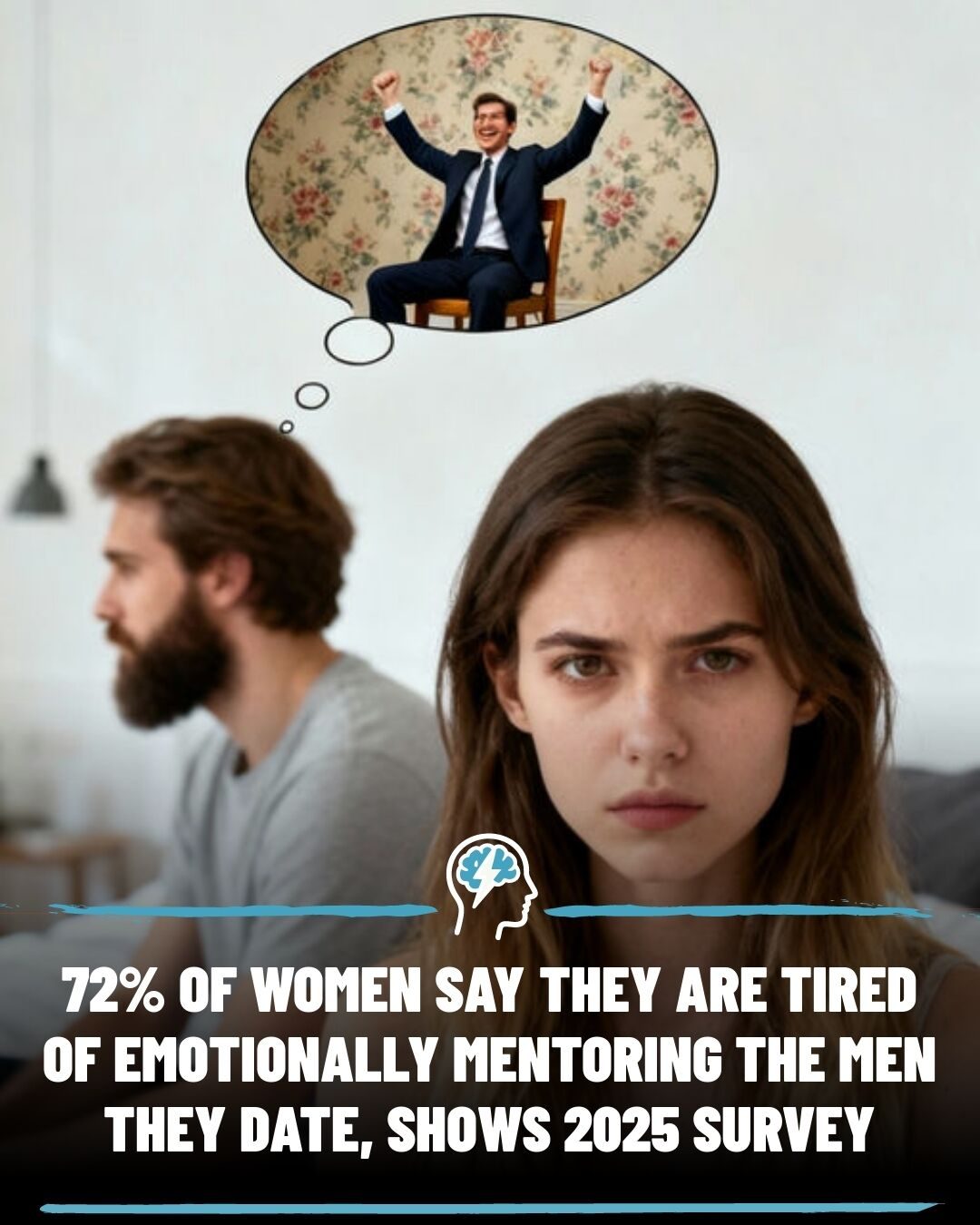
Emotional mentoring in romantic relationships, where one partner takes on a disproportionate amount of emotional labor, is a significant topic of discussion in modern relationships. According to a recent survey conducted in 2025, 72% of single women report feeling tired of emotionally mentoring the men they date. This frustration is not isolated; it reflects a deeper pattern known as "mankeeping."
The Concept of "Mankeeping"
Psychologist Angelica Ferrara of Stanford University introduced the term "mankeeping" to describe the unpaid emotional labor often performed by women to maintain men's social and psychological well-being. This labor can encompass a variety of tasks, including reminding partners to stay in touch with family, helping them process complex emotions, serving as a stress outlet, and guiding them through emotional reciprocity.
The Origins of Emotional Labor Imbalance
The roots of this dynamic can be traced back to early conditioning. Many boys are taught to be independent but are not encouraged to develop emotional awareness. As a result, acts of service, romantic gestures, and emotional reciprocity do not always come naturally to them. Because these skills are rarely expected or encouraged, men may struggle to offer them instinctively.
The Impact of One-Sided Emotional Labor
When emotional labor becomes one-sided and invisible, it can lead to significant issues. Studies have linked this imbalance to burnout, resentment, and the eventual degradation of the relationship itself. The person doing the mentoring can begin to feel more like a caretaker than a partner, which can erode the relationship's foundation.
The Broader Conversation About Emotional Skills
Recognizing and addressing this pattern is crucial for fostering healthier relationships. It is not about assigning blame but rather about building awareness so both partners can fully engage. This awareness can help individuals identify when they are carrying more than their share of emotional labor or when they need to develop capacities they were never taught.
Variability in Relationship Dynamics
It is essential to note that not all relationships fall into this dynamic. Results vary significantly by individual and couple. Some partners naturally balance emotional support, while others may need to consciously address imbalances through open communication. Understanding this pattern can help individuals navigate their relationships more effectively and foster mutual care and investment from both parties.
Practical Tips for Addressing Emotional Labor Imbalance
-
Open Communication: Discuss emotional needs and expectations openly. It’s crucial to create a safe space where both partners can express their feelings and needs without judgment.
-
Shared Responsibility: Encourage both partners to take responsibility for emotional well-being. This means actively engaging in emotional support rather than relying on one partner to shoulder all the burden.
-
Emotional Literacy: Educate yourself and your partner on emotional literacy. This involves understanding and expressing emotions effectively, which can help both partners navigate emotional challenges more effectively.
-
Seek Professional Help: If the imbalance is causing significant distress, consider seeking help from a professional counselor or therapist. They can provide tools and strategies to address emotional labor imbalances.
-
Self-Care: Prioritize self-care to prevent burnout. This includes taking time for yourself, setting boundaries, and ensuring that your emotional needs are met.
Important Takeaways
Understanding the concept of "mankeeping" and the broader issue of emotional labor imbalance is crucial for building healthier, more equitable relationships. It’s about recognizing patterns of behavior that may be detrimental to both partners and working together to create a more balanced dynamic.
Conclusion
Emotional mentoring and the "mankeeping" dynamic highlight the importance of mutual care and investment in relationships. By fostering open communication, shared responsibility, and emotional literacy, partners can work together to create a more balanced and fulfilling relationship. Recognizing and addressing these patterns is not about blame but about building awareness so both partners can show up fully and thrive.
Questions readers ask
What exactly is meant by 'mankeeping' in the context of dating?
'Mankeeping' refers to the unpaid emotional labor often performed by women to support and maintain a man's emotional and psychological well-being in a relationship. This can include tasks like providing constant reassurance, offering guidance, and helping partners manage their emotions.
Why do 72% of single women feel tired of emotional labor in dating?
According to a recent survey, 72% of single women report feeling exhausted from the effort of providing emotional support and mentoring in their relationships. This is due to the constant emotional labor required to maintain the relationship, which can lead to feelings of exhaustion and resentment.
How does emotional labor impact the dynamics of a relationship?
Emotional labor can significantly impact relationship dynamics by creating an imbalance of power and responsibility. When one partner, typically the woman, takes on a disproportionate amount of emotional labor, it can lead to resentment, relationship degradation, and emotional exhaustion.
What are some examples of emotional labor in dating?
Examples of emotional labor in dating include providing constant reassurance, offering guidance, helping partners manage their emotions, and reminding partners to stay organized or follow through on commitments. These tasks are often unpaid and can leave the person performing them feeling emotionally drained.
How can the emotional burden in dating be addressed?
Addressing the emotional burden in dating involves open communication between partners to ensure that emotional labor is shared equitably. Both partners should discuss their needs and expectations, and work together to create a balanced and supportive relationship dynamic.
What are the consequences of emotional mentoring in romantic relationships?
Emotional mentoring in romantic relationships can lead to a power imbalance and feelings of resentment, particularly when one partner feels they are doing more than their fair share of emotional labor. This imbalance can degrade the relationship over time and lead to emotional exhaustion for the person performing the labor.
Why is it important to raise awareness about mankeeping in modern relationships?
Raising awareness about mankeeping is crucial for promoting healthier, more balanced relationships. Understanding the emotional labor dynamics in dating can help prevent resentment, improve communication, and foster more equitable partnerships. This awareness also empowers individuals to recognize and address the emotional burden they may be carrying.
Related deep dives
Similar reads based on topic and creator.



Recent articles
Fresh deep dives from the latest Reels we unpacked.




Comments
Be the first to comment.