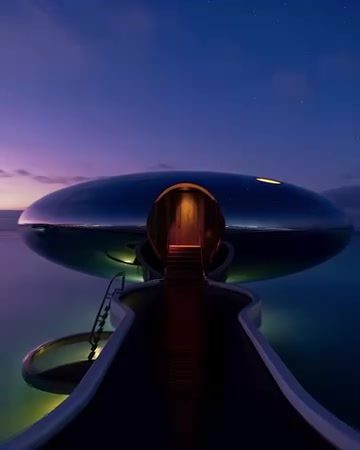
Futuristic Architecture
The allure of futuristic architecture lies in its ability to transport us to a world that seems both imaginative and tangible. These structures often blend cutting-edge design with innovative materials and technology, creating spaces that are not only visually stunning but also functional and sustainable.
Why this matters
Futuristic architecture is more than just a visual feast; it represents a shift in how we conceptualize and build our environments. This style of architecture is deeply rooted in a desire to address contemporary challenges such as urbanization, sustainability, and technological integration.
Addressing Urbanization
As cities continue to grow, architects are tasked with creating spaces that can accommodate increasing populations while maintaining quality of life. Futuristic buildings often incorporate innovative design elements that maximize space and efficiency. For instance, vertical gardens and green roofs help mitigate the urban heat island effect and improve air quality, while modular and adaptable spaces can evolve with changing needs.
Emphasis on Sustainability
Sustainability is at the heart of futuristic architecture. These structures often prioritize energy efficiency, renewable materials, and eco-friendly practices. For example, buildings may include solar panels, rainwater harvesting systems, and smart lighting systems that adjust based on occupancy and natural light levels. This integration of sustainable features not only reduces environmental impact but also lowers operational costs over time.
Technological Integration
Futuristic architecture seamlessly integrates technology into its design, creating smart spaces that enhance user experience and functionality. From automated climate control systems to advanced security features, these buildings are equipped with the latest technological innovations. Smart sensors and IoT devices can monitor and optimize various aspects of the building, such as energy use, air quality, and even occupant behavior.
Main discussion
Organic Shapes and Structural Integrity
One of the most striking features of futuristic architecture is the use of organic shapes. These designs often mimic natural forms, creating a harmonious blend of nature and technology. This approach not only adds to the aesthetic appeal but also ensures structural integrity. The organic shapes can distribute weight more efficiently, reducing the need for excessive support structures.
Illuminated Walkways and Dramatic Approaches
A key element of futuristic architecture is the dramatic approach to the structure. This is often achieved through illuminated walkways that lead to the entrance. The lighting not only highlights the architectural details but also creates a welcoming and mysterious atmosphere. These walkways can be designed with renewable energy sources, such as solar-powered LED lights, making them both beautiful and eco-friendly.
Tranquil and Mysterious Settings
The setting of a futuristic building can greatly enhance its overall impact. Twilight or nighttime scenes, for example, create a serene and mysterious atmosphere. This is particularly effective for buildings situated over water, as the reflection of lights on the water's surface adds an ethereal quality. The combination of water, light, and unique architecture creates an unforgettable experience.
Practical tips
Choosing the Right Location
When designing a futuristic building, the location is crucial. Consider the natural surroundings and how the building can complement them. Waterfront locations, for example, can provide a stunning backdrop and enhance the overall aesthetic. Additionally, ensure that the location aligns with the building's purpose and the needs of its occupants.
Utilizing Sustainable Materials
Opt for materials that are both durable and eco-friendly. This could include recycled materials, renewable resources, and energy-efficient components. Sustainable materials not only reduce the environmental footprint but also add to the building's longevity and resilience.
Incorporating Advanced Technology
Technology is a cornerstone of futuristic architecture. Integrate smart systems that can monitor and optimize various aspects of the building. This could include automated climate control, advanced security features, and smart lighting systems. These technologies not only enhance functionality but also improve user experience and sustainability.
Important takeaways
Futuristic architecture represents a forward-thinking approach to design that prioritizes sustainability, technology, and human experience. By incorporating organic shapes, illuminated walkways, and serene settings, these buildings create a harmonious blend of nature and innovation. Whether addressing urbanization, sustainability, or technological integration, futuristic architecture offers a glimpse into a future where design and functionality coexist seamlessly.
Conclusion
Futuristic architecture is more than just a trend; it is a vision of how we can build more efficiently and sustainably. By embracing organic shapes, advanced technology, and eco-friendly practices, these structures not only enhance our living spaces but also contribute to a greener, smarter future. Whether you are an architect, a developer, or simply an admirer of beautiful design, the principles of futuristic architecture offer valuable insights into the future of building and urban design.
Questions readers ask
How do futuristic building designs address urbanization challenges?
Futuristic building designs tackle urbanization challenges by maximizing space efficiency, using innovative materials, and incorporating smart technology. These designs often include vertical gardens, compact living spaces, and multi-purpose zones, allowing cities to accommodate growing populations while maintaining livability.
What are some key features of sustainable architecture in futuristic buildings?
Sustainable architecture in futuristic buildings includes elements like green roofs, solar panels, and rainwater harvesting systems. These features reduce the environmental footprint, improve energy efficiency, and promote a healthier living environment, helping to create a more harmonious relationship between buildings and the natural world.
How does smart building technology enhance daily living in futuristic structures?
Smart building technology in futuristic structures can automate various functions such as lighting, temperature control, and security. This not only improves energy efficiency but also enhances the comfort and convenience of residents. Advanced systems can learn and adapt to occupant behavior, creating a seamless and personalized living experience.
What can we expect from the future of architecture in 2024?
In 2024, we can expect to see a continued emphasis on eco-friendly materials, modular design, and the integration of AI and IoT into building systems. These trends will lead to more adaptable and sustainable structures, enhancing both the functionality and aesthetic appeal of urban landscapes, as well as futuristic buildings over water and unique building designs.
How do futuristic building interiors differ from traditional designs?
Futuristic building interiors often feature open floor plans, advanced lighting systems, and integrated smart home technology. These interiors are designed to be highly adaptable, allowing for flexible use of space and easy integration of new technologies. The use of innovative materials and sustainable design principles further sets them apart from traditional designs.
What role does architectural innovation play in modern building structures?
Architectural innovation in modern building structures is crucial for addressing current and future challenges. This innovation drives the development of new materials and construction methods that enhance durability, sustainability, and functionality. By continually pushing the boundaries of design, architects create buildings that are not only visually impressive but also more efficient and eco-friendly.
Related deep dives
Similar reads based on topic and creator.




Recent articles
Fresh deep dives from the latest Reels we unpacked.




Comments
Be the first to comment.