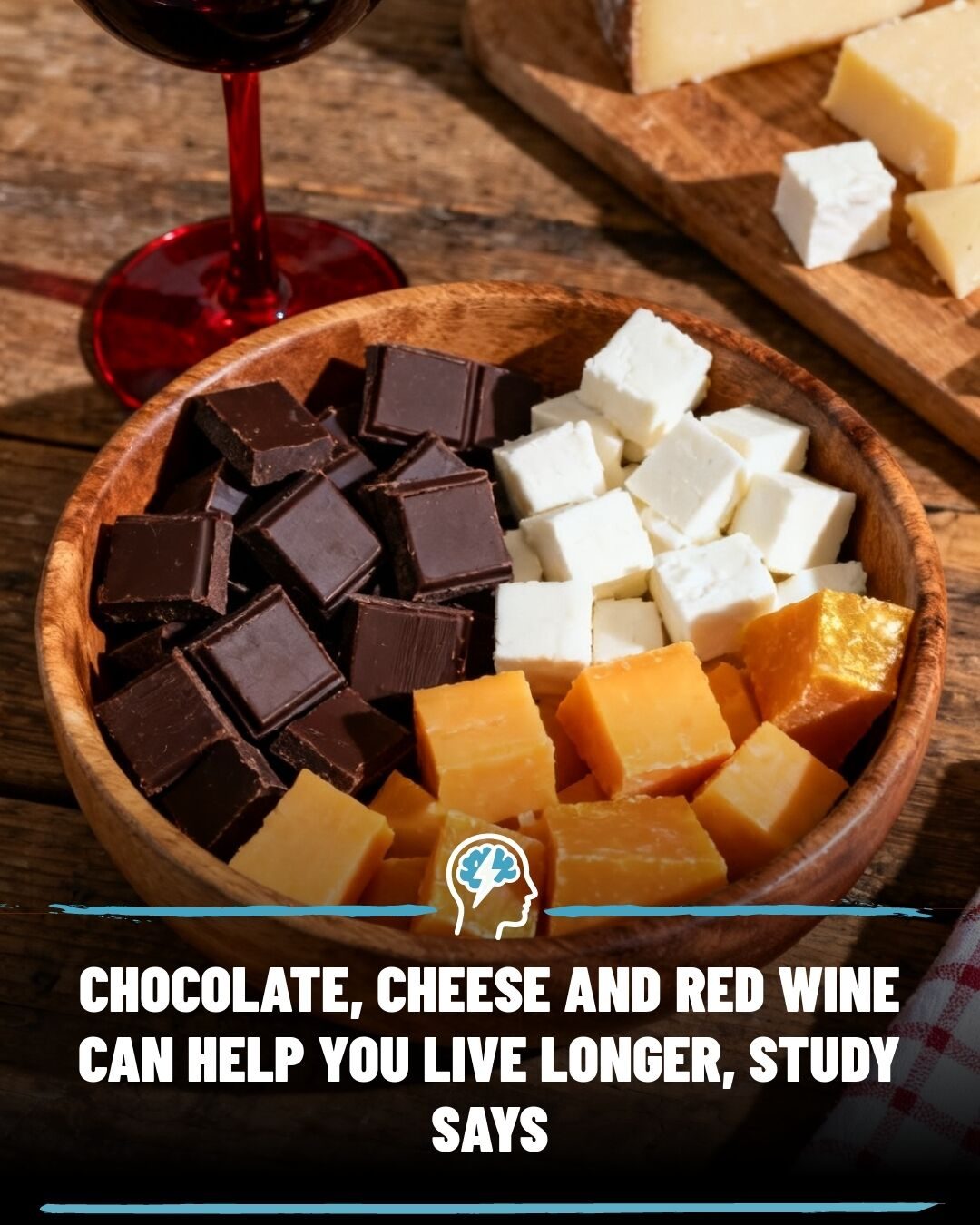
Dark Chocolate and Its Potential to Slow Aging
Dark chocolate is often celebrated for its rich, indulgent taste, but recent research suggests that it may offer more than just a satisfying treat. Theobromine, a compound naturally occurring in dark chocolate, has been linked to a slower pace of biological aging.
Context / Why this matters
Biological aging is a complex process influenced by various factors, including genetics, lifestyle, and diet. While there's no definitive way to halt or reverse the aging process, understanding how certain foods and nutrients affect our cells can provide valuable insights into ways to promote longevity and overall health.
The Science Behind Dark Chocolate
Theobromine and Biological Aging
Researchers have found that theobromine, a compound found in dark chocolate, is associated with a slower pace of biological aging. This was determined using epigenetic markers and telomere length assessments. Interestingly, the effects of theobromine appeared most pronounced in current or former smokers.
Antioxidants and Cell Protection
Dark chocolate is packed with powerful antioxidants, including polyphenols, epicatechin, and catechin. These compounds play a crucial role in protecting cells from oxidative stress and free radical damage. This protection can contribute to overall health and potentially slow down the aging process at a cellular level.
The Role of Flavonols
Nitric Oxide and Blood Flow
The flavanols in dark chocolate also support the production of nitric oxide, a molecule that helps relax blood vessels and improve blood flow. This can have a positive impact on cardiovascular health and overall circulation, contributing to better organ function and potentially slowing the aging process.
Dark Chocolate vs. Milk Chocolate
Not all chocolate is created equal. Dark chocolate contains 2 to 3 times more flavanol-rich cocoa solids than milk chocolate. This higher concentration of flavonoids makes dark chocolate a more beneficial choice for those looking to reap the health benefits associated with this treat.
Important Considerations
Moderation is Key
While the research on dark chocolate and biological aging is promising, it's important to approach this information with a balanced perspective. The studies show associations with slower biological aging markers, not proof of actual lifespan extension. It's crucial to remember that individual results can vary significantly, and more research is needed to fully understand the long-term effects.
A Holistic Approach
Enjoying dark chocolate in moderation can be part of a healthy lifestyle, but it is not a magic cure or the secret to immortality. Think of it as one piece of a larger puzzle that includes balanced nutrition, regular physical activity, and overall healthy habits. Your genetics, lifestyle, and diet all play a role in how your body responds to different nutrients.
Practical Tips
Choosing the Right Dark Chocolate
When selecting dark chocolate, opt for varieties with a high cocoa content (70% or higher) to maximize the benefits of flavonoids and antioxidants. Check the ingredient list to ensure it is minimally processed and free from added sugars and artificial ingredients.
Incorporating Dark Chocolate into Your Diet
Balance is key. Incorporate a small square of dark chocolate into your daily routine. Pair it with a healthy snack, like a handful of nuts or a piece of fruit, to enhance the overall nutritional value of your indulgence.
Important Takeaways
Dark chocolate, particularly varieties with a high cocoa content, contains compounds like theobromine, polyphenols, and flavanols that may contribute to a slower pace of biological aging. These compounds work by protecting cells from oxidative stress, improving blood flow, and potentially influencing epigenetic markers associated with aging.
However, it's essential to approach this information with a balanced perspective. While the research is promising, individual results can vary, and more studies are needed to fully understand the long-term effects. Enjoying dark chocolate in moderation as part of a healthy lifestyle can be beneficial, but it is not a magic cure.
Conclusion
Dark chocolate offers more than just a delightful taste; it contains compounds that may contribute to a slower pace of biological aging. By choosing high-quality dark chocolate and incorporating it into a balanced diet and healthy lifestyle, you can enjoy its potential benefits without overindulging. As research continues to uncover the mysteries of biological aging, incorporating mindful, healthful habits into our daily lives remains a cornerstone of promoting longevity and overall well-being.
Questions readers ask
What is theobromine and how does it relate to dark chocolate?
Theobromine is a compound found naturally in dark chocolate. It is believed to contribute to the potential health benefits of dark chocolate, including its role in slowing down the biological aging process.
How exactly does theobromine help in slowing down aging?
Theobromine in dark chocolate has been shown to influence biological aging markers by reducing inflammation and oxidative stress, which are key drivers of the aging process. This helps to promote cellular health and potentially slow down the pace of aging.
What are biological aging markers and how are they affected by dark chocolate?
Biological aging markers are measurable indicators of how quickly a person is aging at a cellular level. Dark chocolate, through theobromine, can influence these markers by promoting cellular health and reducing the impact of aging factors such as inflammation and oxidative stress.
Can dark chocolate really help me live longer?
While dark chocolate shows promise in promoting longevity due to theobromine's effects on biological aging, it is not a guaranteed fountain of youth. Including dark chocolate as part of a balanced diet and healthy lifestyle may contribute to overall health and potentially extend lifespan.
How much dark chocolate should I consume to experience these benefits?
To potentially experience the benefits of theobromine, it is recommended to consume dark chocolate in moderation. Typically, this means eating a small amount, such as 1-2 ounces, per day. However, it's important to choose dark chocolate with a high cocoa content (70% or higher) to maximize the benefits.
Are there any recent studies on the benefits of dark chocolate for aging?
Yes, there have been numerous studies investigating the effects of dark chocolate on aging. Recent research has focused on theobromine and its impact on biological aging markers, with promising results suggesting that dark chocolate may help slow down the aging process.
How does dark chocolate compare to other foods in terms of anti-aging properties?
Dark chocolate stands out due to its theobromine content, which is not as prevalent in other foods. While many foods contain antioxidants and anti-inflammatory compounds, the specific combination of beneficial compounds in dark chocolate makes it a notable option for those looking to support healthy aging.
Related deep dives
Similar reads based on topic and creator.



Recent articles
Fresh deep dives from the latest Reels we unpacked.




Comments
Be the first to comment.