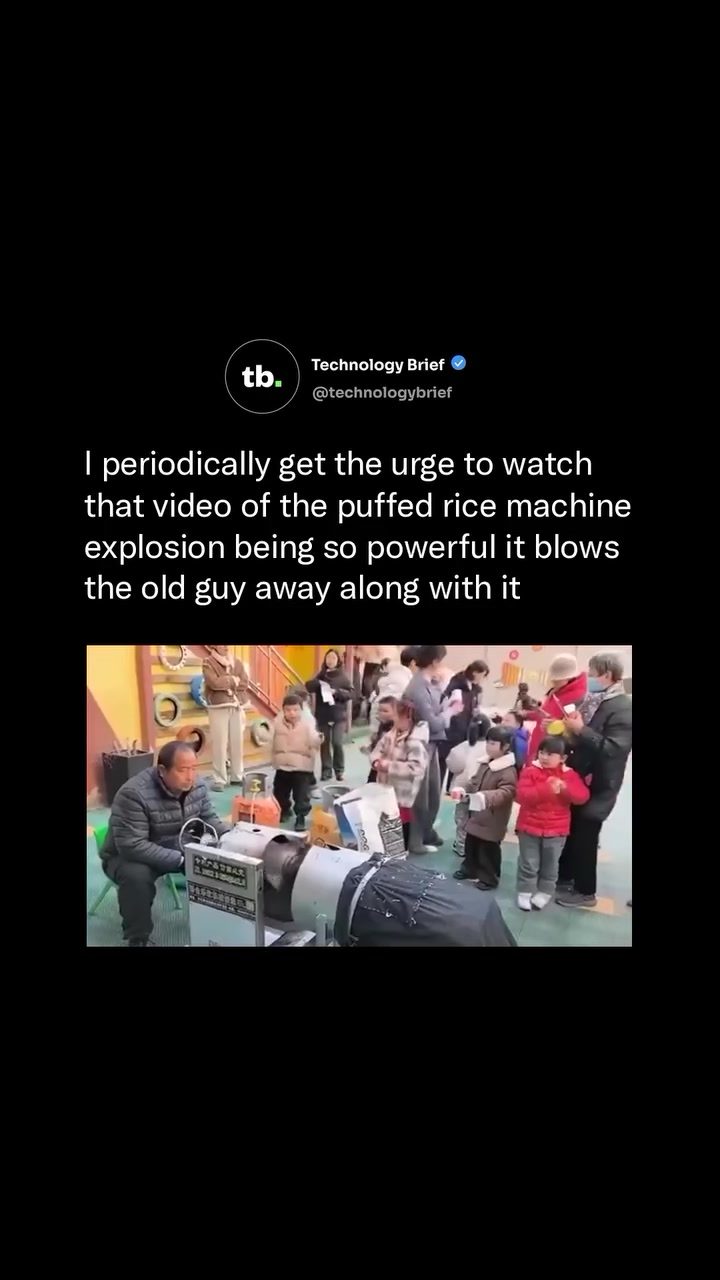
The Traditional Baomihua Ji: A Puffed Rice Machine with a Powerful Blast
The baomihua ji, a traditional Chinese street food machine, is more than just a tool for making puffed rice. Also known as the "popcorn cannon," this device has been a staple in street food culture since at least the 1930s. The machine’s operation is a spectacle in itself, making it a fascinating subject for food enthusiasts and technology lovers alike.
Context / Why this matters
The baomihua ji is a cultural icon across East Asia, where street vendors still use it to create a unique dining experience. Understanding the mechanics and cultural significance of this machine provides insight into the region's street food culture and the ingenuity behind traditional food preparation methods.
Main discussion
The Mechanics of the Baomihua Ji
A rotating steel pressure chamber is at the heart of the baomihua ji. The process begins with the chamber being sealed and loaded with grain. The grain, which can be rice, corn, wheat, or millet, is then heated over an open flame. As the moisture inside each kernel turns into superheated steam, pressure builds up inside the chamber. When the operator releases the seal, the built-up pressure fires the puffed grain out in an instant, accompanied by a loud, booming explosion.
The Cultural Significance of the Explosive Puff
The deafening blast is not a flaw in the design but a deliberate feature. Vendors use the boom as a form of advertising, letting the sound travel through neighborhoods to draw in crowds. The machine’s powerful display is an integral part of the street food experience, attracting customers with its spectacle. The long fabric bag attached to the machine’s opening catches the puffed grain, while bystanders cover their ears and brace for the blast they know is coming.
Versatility of the Baomihua Ji
The baomihua ji is versatile, capable of working across many types of grain. This adaptability makes it a valuable tool in diverse culinary contexts. In China, the device is known as baomihua ji, which translates roughly to “a machine for making popped rice flowers.” The same technology has spread across East Asia, carrying similar explosion-inspired names in Korea and Japan.
Practical tips
Tips for Operating a Baomihua Ji
Operating a baomihua ji requires a bit of practice and caution. Here are some practical tips to ensure safe and effective use:
- Safety First: Always wear protective gear, including earplugs and gloves, to protect yourself from the powerful blast and hot steam.
- Proper Loading: Ensure the grain is evenly distributed in the pressure chamber to avoid uneven heating and potential malfunctions.
- Timing the Release: Time the release of the seal precisely to maximize the puffing effect and minimize waste.
- Maintenance: Regularly clean and maintain the machine to ensure optimal performance and longevity. This includes checking for any wear and tear in the pressure chamber and fabric bag.
Choosing the Right Grain
While the baomihua ji can work with various grains, the results can vary. Here are some tips for choosing the right grain:
- Rice: Commonly used in China, rice provides a light and fluffy texture.
- Corn: Often used in Korea and Japan, corn gives a crunchy texture and a different flavor profile.
- Wheat and Millet: These grains can be used for a unique taste and texture, adding variety to your offerings.
Important takeaways
- The baomihua ji is a traditional street food machine that has been in use since the 1930s.
- It operates by converting moisture inside the grain into superheated steam, resulting in a powerful explosion and puffed grain.
- The machine's powerful blast is a deliberate feature used by vendors to draw in crowds.
- The baomihua ji can work with various grains, including rice, corn, wheat, and millet.
- Regular maintenance and proper operation are crucial for safe and effective use.
Conclusion
The baomihua ji is more than just a tool for making puffed rice; it's a cultural icon and a symbol of traditional street food culture in East Asia. Its unique design and powerful blast have made it a staple in local markets, attracting customers with its spectacle and versatility. Whether you're a food enthusiast or a technology lover, the baomihua ji offers a fascinating glimpse into the ingenuity and tradition of East Asian street food.
Questions readers ask
What is the Baomihua Ji and how does it work?
The Baomihua Ji, or 'popcorn cannon,' is a traditional Chinese street food machine used for puffing rice and other grains. It operates using a rotating steel pressure chamber, where the grain is heated and pressurized, eventually resulting in a loud, dramatic explosion that creates the puffed grain.
Why is the Baomihua Ji significant in East Asian street food culture?
The Baomihua Ji has been a staple in East Asian street food culture since the 1930s. It is more than just a tool for making puffed rice; it is a cultural icon known for its powerful blast and spectacle, drawing in crowds and providing a unique dining experience.
What kind of grains can be puffed using the Baomihua Ji?
While rice is the most common grain used in the Baomihua Ji, other grains can also be puffed using this machine. The key is to use grains that can withstand the high pressure and heat generated by the machine, which can vary based on the specific design and settings of the Baomihua Ji.
How has the Baomihua Ji contributed to the cultural identity of East Asian street food vendors?
The Baomihua Ji has significantly contributed to the cultural identity of East Asian street food vendors by creating a unique and exciting atmosphere. The dramatic explosion and the spectacle of the machine in action have become synonymous with the street food experience, making it a recognizable and beloved part of the region's culinary landscape.
Are there any safety precautions to consider when using a Baomihua Ji?
Given the high pressure and heat involved, it is crucial to follow specific safety guidelines when using a Baomihua Ji. Operators should be trained to handle the machine properly, and it is important to maintain the equipment regularly to prevent malfunctions. Always ensure the machine is used in a well-ventilated area and that bystanders are kept at a safe distance.
Can modern technology enhance the traditional Baomihua Ji?
Modern technology can enhance the traditional Baomihua Ji in several ways, such as improving efficiency, safety, and consistency. For example, automated controls can help regulate pressure and temperature more precisely, while advanced materials can make the machine more durable. Additionally, modern designs may incorporate features that reduce the noise and spectacle while maintaining the machine’s core functionality.
Related deep dives
Similar reads based on topic and creator.




Recent articles
Fresh deep dives from the latest Reels we unpacked.




Comments
Be the first to comment.