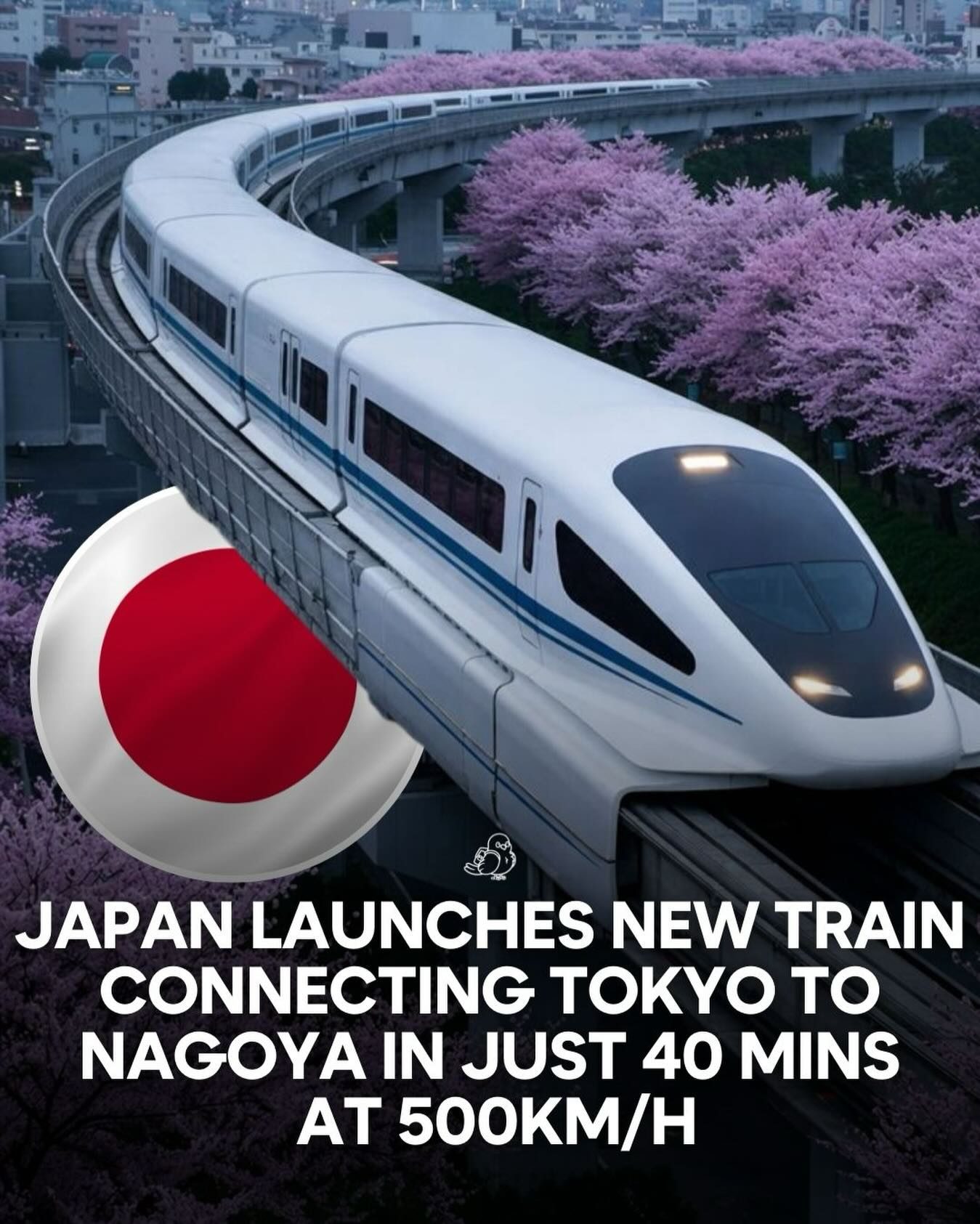
Shinkansen Train Launch
Japan is set to revolutionize high-speed rail travel with the launch of a new maglev train. This cutting-edge technology connects Tokyo and Nagoya, significantly reducing travel time to just 40 minutes. The train, known as the Chūō Shinkansen, is part of a larger project that promises to redefine rail travel in Japan and beyond.
Context / Why this matters
The introduction of this new maglev train is a significant milestone in transportation technology. The Chūō Shinkansen, a high-speed maglev (magnetic levitation) line, is designed to reach speeds of up to 500 km/h. This project represents a major leap forward in rail technology, combining speed, efficiency, and comfort. The train's ability to travel at high speeds with minimal friction makes it a game-changer for long-distance travel.
Main discussion
The Technology Behind Maglev Trains
Magnetic levitation, or maglev, is the technology at the heart of this new train. Unlike traditional trains that rely on wheels and tracks, maglev trains float above the tracks using powerful magnets. This design eliminates friction, allowing the train to reach higher speeds and operate more efficiently. The Chūō Shinkansen utilizes superconductor maglev (SCMAGLEV) technology, which leverages superconducting magnets to achieve even greater efficiency and performance.
Speed and Efficiency
One of the standout features of the new maglev train is its speed. With a top speed of 500 km/h, it dramatically cuts the travel time between Tokyo and Nagoya. The journey, which would typically take over an hour by traditional high-speed rail, is reduced to just 40 minutes. This not only saves time for passengers but also enhances the overall travel experience by offering a smoother, quieter, and more comfortable ride.
Environmental Impact
Another significant advantage of maglev technology is its environmental impact. By eliminating the friction between wheels and tracks, maglev trains consume less energy and produce fewer emissions compared to conventional trains. This makes them a more sustainable option for high-speed rail travel, aligning with global efforts to reduce carbon footprints.
Safety and Reliability
Safety is a top priority in the design of maglev trains. The magnetic levitation system ensures a stable and smooth ride, reducing the risk of derailments and other mechanical failures. Additionally, the use of superconducting magnets allows for precise control over the train's movement, enhancing overall reliability and safety.
The Route and Infrastructure
The new maglev train will operate along the Chūō Shinkansen line, connecting Tokyo and Nagoya. This route is part of a larger infrastructure project that aims to extend the line to Osaka in the future. The elevated tracks and advanced infrastructure support the high speeds and smooth operation of the maglev trains, ensuring a seamless travel experience.
Connecting Major Cities
The Tokyo to Nagoya route is a critical corridor for both commuters and travelers. By significantly reducing travel time, the new maglev train will enhance connectivity between these major cities, making it easier for people to commute for work, study, or leisure. This improved connectivity is expected to boost economic activity and foster regional development.
Future Expansion
The success of the Tokyo-Nagoya segment is just the beginning. The Chūō Shinkansen project plans to extend the line to Osaka, further expanding the network and offering even more destinations for high-speed rail travel. This expansion will provide a robust alternative to air travel and traditional rail, offering a faster, more convenient, and eco-friendly option for long-distance journeys.
Practical tips
Traveling on the Maglev Train
While the maglev train offers a luxurious and efficient travel experience, there are a few tips to maximize your journey:
Booking Tickets
Booking your tickets in advance can help you secure the best seats and take advantage of any early bird discounts. The train's official website and authorized booking platforms are reliable sources for purchasing tickets. Keep an eye out for promotional offers and package deals that may include additional benefits such as lounge access or meal vouchers.
Packing Smart
Although the journey is short, packing smart can enhance your comfort. Opt for lightweight and compact luggage that can easily be stored in the overhead compartments. Also, bring essential items such as a water bottle, snacks, and travel pillows to ensure a pleasant ride.
Timing Your Travel
Consider the timing of your journey to avoid peak hours. Traveling during off-peak times can provide a more relaxed and comfortable experience, with fewer crowds and more availability of seats. Additionally, early morning or late-night travel can offer beautiful views of the cityscape and countryside.
Exploring Tokyo and Nagoya
With the reduced travel time between Tokyo and Nagoya, you have more opportunities to explore both cities. Here are some highlights to consider:
Tokyo
Tokyo is a bustling metropolis known for its vibrant culture, historical sites, and modern attractions. Key destinations include:
- Tokyo Skytree: A towering observation deck offering panoramic views of the city.
- Shibuya Crossing: The world's busiest pedestrian crossing, a must-visit for its energy and excitement.
- Tsujiki Fish Market: A culinary delight where you can enjoy the freshest sushi and seafood.
- Meiji Shrine: A serene Shinto shrine nestled in a lush forest, offering a peaceful retreat from the city's hustle and bustle.
Nagoya
Nagoya, known for its rich history and industrial significance, offers a unique blend of tradition and modernity. Must-see attractions include:
- Nagoya Castle: A stunning historical landmark with beautiful architecture and gardens.
- Atsuta Shrine: One of the most sacred Shinto shrines in Japan, believed to house the sacred sword of Emperor Meiji.
- Osu Shopping District: A lively area with a mix of traditional markets, modern shops, and eateries.
- Legoland Japan: An exciting theme park perfect for families, featuring various Lego-themed attractions and rides.
Important takeaways
The launch of the new maglev train in Japan represents a significant advancement in high-speed rail technology. Key takeaways include:
- Speed and Efficiency: The train's top speed of 500 km/h and travel time of 40 minutes between Tokyo and Nagoya set a new standard for rail travel, offering unparalleled speed and efficiency.
- Environmental Benefits: By leveraging magnetic levitation, the train reduces energy consumption and emissions, making it a more sustainable option for transportation.
- Innovative Technology: The use of superconductor maglev (SCMAGLEV) technology ensures a smooth, stable, and safe ride, enhancing the overall travel experience.
- Enhanced Connectivity: The new route connecting Tokyo and Nagoya improves connectivity between these major cities, fostering economic growth and regional development.
Conclusion
The new maglev train, with its revolutionary technology and speed, is set to transform high-speed rail travel in Japan. By dramatically reducing travel time and offering a smoother, more efficient ride, this project opens up new possibilities for both commuters and travelers. As the Chūō Shinkansen line continues to expand, it promises to redefine the future of rail transportation, offering a faster, more convenient, and eco-friendly option for long-distance journeys. Embrace the future of travel with this groundbreaking innovation.
Questions readers ask
What makes the new maglev train in Japan unique?
The new maglev train in Japan, known as the Chūō Shinkansen, is unique due to its magnetic levitation technology that allows it to reach speeds up to 500km/h. This technology enables the train to float above the tracks, reducing friction and making the journey between Tokyo and Nagoya in just 40 minutes.
How does the maglev train technology work?
Maglev train technology uses electromagnetic forces to levitate the train above the tracks, eliminating the need for traditional wheels and tracks. This reduces friction and allows the train to reach and maintain high speeds more efficiently.
What is the significance of the Tokyo to Nagoya train route for the new maglev train?
The Tokyo to Nagoya route is significant because it is one of the busiest and most important rail routes in Japan. By reducing the travel time to just 40 minutes, the new maglev train will greatly enhance the efficiency of travel for passengers and goods.
What is the expected impact of the maglev train on Japan's rail travel?
Japan's introduction of the maglev train is expected to revolutionize high-speed rail travel by providing a faster, more comfortable, and efficient travel option. It will likely reduce travel time for passengers and increase the capacity for freight transport.
What are the benefits of the maglev train's high speed for travelers?
The high speed of the maglev train offers numerous benefits, including significantly shorter travel times, enhanced comfort due to reduced noise and vibration, and increased efficiency in transporting both passengers and goods. This is a major improvement over the traditional train travel experience.
What are the future plans for the maglev train technology in Japan?
Japan plans to expand the maglev train network beyond the Tokyo to Nagoya route, potentially connecting more major cities. The goal is to create a high-speed rail network that can transport passengers and goods quickly and efficiently across the country, setting a new standard for rail travel.
How does the maglev train compare to other high-speed trains?
The maglev train surpasses other high-speed trains due to its use of magnetic levitation, which allows for higher speeds and reduced friction. While other high-speed trains like the Shinkansen are impressive, the maglev's ability to reach 500km/h sets it apart in terms of speed and efficiency.
Related deep dives
Similar reads based on topic and creator.




Recent articles
Fresh deep dives from the latest Reels we unpacked.




Comments
Be the first to comment.