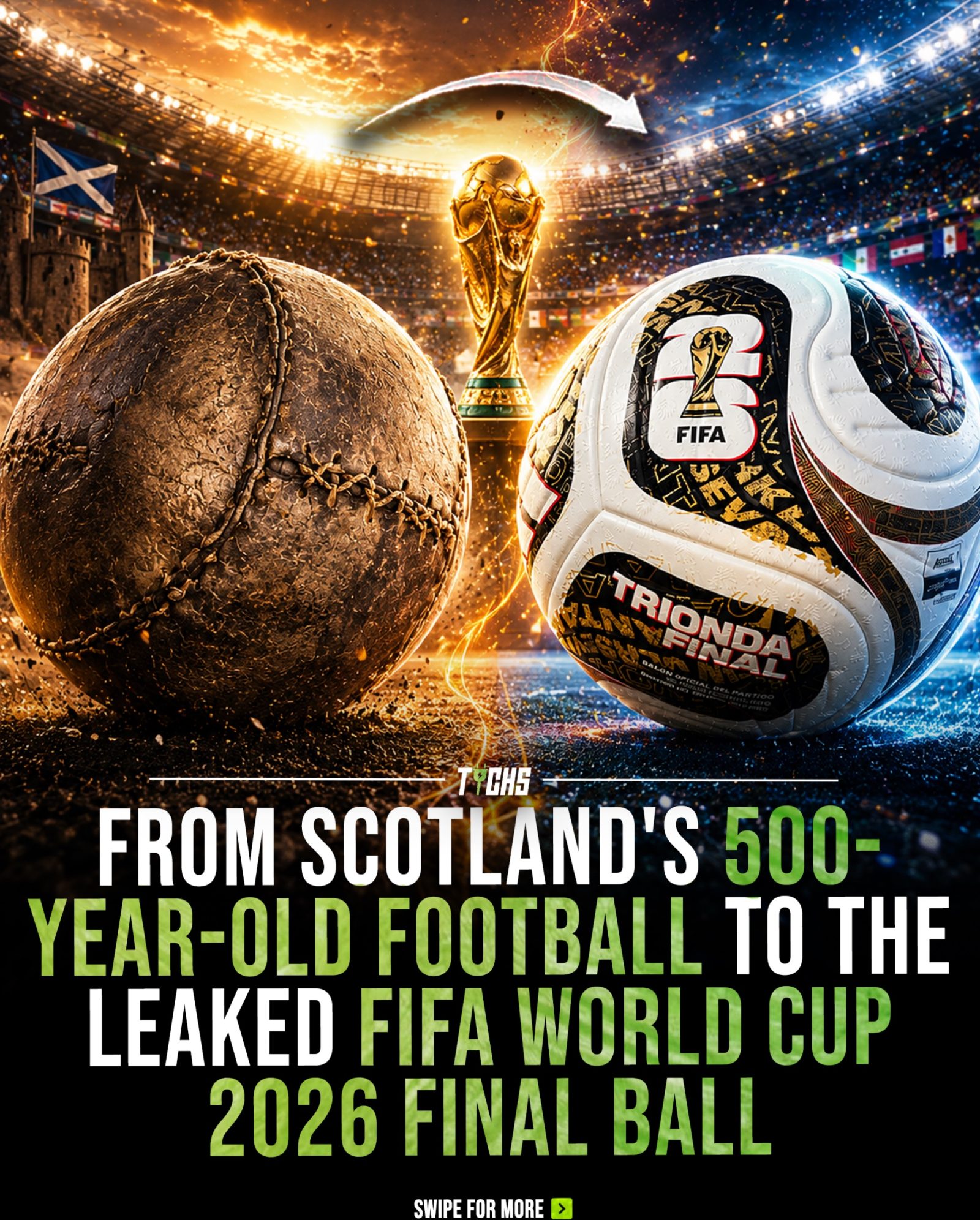
The Evolution of the Soccer Ball: From Hand-Stitched Leather to the Adidas FIFA World Cup 2026 Final Ball
The soccer ball, a central piece of the world's most popular sport, has evolved dramatically over the centuries. From the earliest hand-stitched leather balls to the cutting-edge technology used in today's match balls, the journey of the soccer ball reflects the broader evolution of the game. Recently, leaked images have provided an early glimpse of the Adidas FIFA World Cup 2026 final ball, offering a glimpse into the future of soccer ball design and technology.
The History of the Soccer Ball
The soccer ball has a rich history that dates back centuries. One of the oldest known footballs, crafted in Scotland between 1540 and 1570 from deerskin, showcases the humble beginnings of the sport. These early footballs were hand-stitched and lacked the precision and durability of modern balls. The design and materials used in these early footballs were simple, reflecting the craftsmanship of the time. The evolution of the soccer ball has mirrored the advancements in technology and manufacturing, making significant strides in performance and durability.
The Leaked Design of the Adidas FIFA World Cup 2026 Final Ball
The leaked images of the Adidas FIFA World Cup 2026 final ball offer a fascinating look into the future of soccer ball design. The ball features the 'TRIONDA' branding prominently, which hints at potential technological advancements. Unfortunately, there is no explicit detail about the technology but the brand's history of innovation suggests it will incorporate advanced engineering, aerodynamics, and precision manufacturing techniques to meet the demands of top-tier international competition.
Key Features and Innovations
The soccer ball has undergone numerous transformations over the years, each designed to enhance performance and durability. Some of the key innovations include:
-
Design and Materials: The traditional leather cover has been replaced with synthetic materials that offer better durability and consistency. The design has evolved from simple panels to complex geometric patterns, which help in reducing drag and improving flight stability.
-
Aerodynamics: Modern soccer balls are designed with aerodynamic properties that reduce air resistance, allowing for more predictable and accurate flight paths. This is achieved through the use of advanced manufacturing techniques and materials.
-
Precision Manufacturing: The precision manufacturing process ensures that each ball meets strict standards for weight, size, and performance. This level of consistency is crucial for professional play, where even the smallest variations can impact gameplay.
The Journey from Scotland to the World Cup
The journey from the 16th-century deerskin football to the high-tech Adidas FIFA World Cup 2026 final ball spans over five centuries. This evolution reflects the broader advancements in technology, engineering, and materials science. The leap from handmade craftsmanship to precision manufacturing is a testament to the progress of human ingenuity and innovation.
Practical Tips for Choosing the Right Soccer Ball
Choosing the right soccer ball is essential for players and teams at all levels. Here are some practical tips to help you select the perfect ball:
-
Understand the Level of Play: Different leagues and levels of play have specific requirements for soccer balls. Ensure that the ball meets the standards set by the relevant governing bodies, such as FIFA or UEFA.
-
Check the Material: Opt for soccer balls made from durable synthetic materials, which offer better performance and longevity compared to traditional leather.
-
Consider the Panel Design: The panel design affects the ball's aerodynamics and flight stability. Look for balls with complex geometric patterns that reduce drag and provide a more predictable flight path.
-
Evaluate the Weight and Size: Ensure that the ball meets the standard weight and size requirements. This is crucial for consistent performance and fair play.
-
Read Reviews and Ratings: Online reviews and ratings from other players can provide valuable insights into the ball's performance and durability. Look for reputable sources and consider the experiences of other players in similar conditions.
Important Takeaways
-
The Evolution of Soccer Ball Design: The soccer ball has evolved from simple hand-stitched leather to high-tech, precision-manufactured designs. This evolution reflects the broader advancements in technology, engineering, and materials science.
-
The Adidas FIFA World Cup 2026 Final Ball: The leaked images of the Adidas FIFA World Cup 2026 final ball suggest that it will incorporate advanced engineering, aerodynamics, and precision manufacturing techniques. The 'TRIONDA' branding hinted at a possible innovative technology.
-
Key Innovations in Soccer Ball Design: Modern soccer balls feature synthetic materials, advanced aerodynamics, and precision manufacturing. These innovations enhance performance, durability, and consistency.
Conclusion
The soccer ball has come a long way from its humble beginnings. From the hand-stitched leather balls of the 16th century to the high-tech Adidas FIFA World Cup 2026 final ball, the evolution of the soccer ball tells the story of football itself. As the game continues to grow and evolve, so too will the technology and design of the soccer ball, ensuring that it remains a central and iconic part of the sport. Whether you're a casual player or a professional, understanding the history and innovations of the soccer ball can enhance your appreciation for the game and help you choose the right ball for your needs.
Questions readers ask
What are some key features expected in the Adidas 2026 World Cup Ball?
The Adidas 2026 World Cup Ball is anticipated to include advanced technology and a futuristic design. While specific features are not yet confirmed, leaked images suggest a cutting-edge aesthetic, and it is likely to build on the innovations seen in previous World Cup balls, such as improved aerodynamics and enhanced durability.
How does the 2026 World Cup ball compare to previous World Cup soccer balls?
The 2026 World Cup ball is expected to continue the trend of technological and design advancements seen in previous World Cup soccer balls. It will likely surpass earlier models in terms of performance-enhancing features, such as improved accuracy, speed, and control, reflecting the ongoing evolution of soccer ball technology.
What does the leaked image of the Adidas 2026 World Cup Ball reveal?
The leaked image of the Adidas 2026 World Cup Ball offers a glimpse into the futuristic design and advanced technology that Adidas is developing for the final match of the 2026 FIFA World Cup. While details are limited, the image suggests a sleek, modern aesthetic that is likely to incorporate the latest innovations in football technology.
What is the significance of the Adidas 2026 World Cup Ball in football history?
The Adidas 2026 World Cup Ball marks another milestone in the history of football design and technology. It represents the culmination of centuries of evolution, from simple hand-stitched leather balls to sophisticated, high-tech models that enhance the game in numerous ways, reflecting the broader advancements in football.
What materials are typically used in modern soccer ball design?
Modern soccer balls, including the Adidas 2026 World Cup Ball, are typically constructed using synthetic materials such as polyurethane and polyester. These materials are chosen for their durability, water resistance, and ability to provide consistent performance in various weather conditions, while also enhancing the ball's aerodynamics and control.
How do soccer balls enhance the game of football?
Soccer balls, like the Adidas 2026 World Cup Ball, enhance the game of football by providing consistent performance and reliability. Advanced technology in modern soccer balls ensures predictable bounce, accurate flight paths, and enhanced durability, allowing players to focus on their skills and strategies without worrying about the ball's behavior.
What can fans expect from the technology in the 2026 World Cup football?
Fans can expect the 2026 World Cup football to feature state-of-the-art technology that improves the overall gameplay experience. While specific details are not yet available, advancements may include enhanced aerodynamics for better flight stability, improved grip for better control, and innovative designs that make the ball visually striking and technologically superior.
Related deep dives
Similar reads based on topic and creator.




Recent articles
Fresh deep dives from the latest Reels we unpacked.




Comments
Be the first to comment.