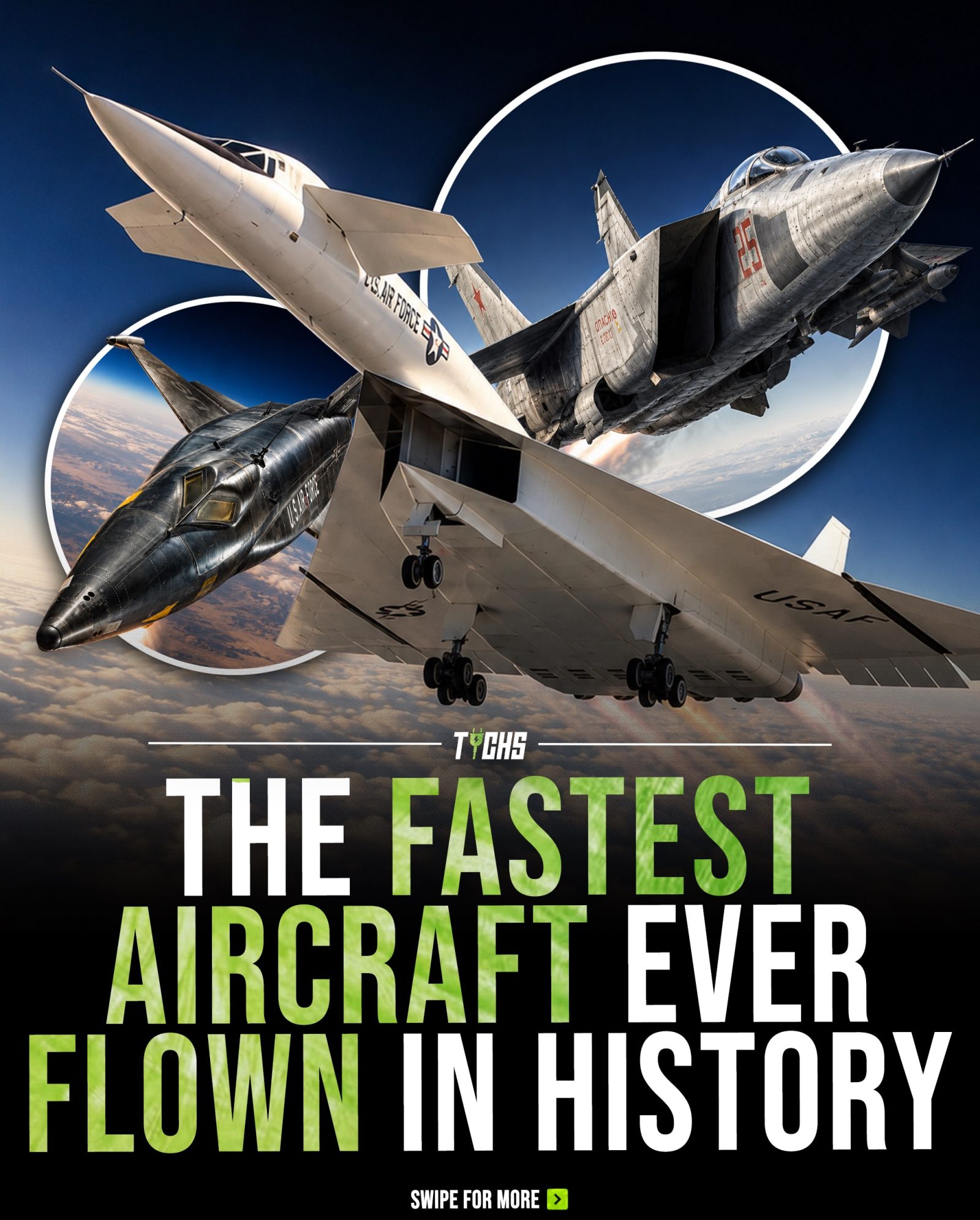
The fastest aircraft in history represent the pinnacle of human engineering and innovation, pushing the boundaries of speed, flight dynamics, and aerospace technology. These remarkable machines, developed over decades, have not only broken speed records but have also paved the way for future advancements in aviation and space exploration. From military aircraft to research vehicles, each of these incredible planes has a unique story that highlights the relentless pursuit of excellence in the skies.
Why This Matters
Understanding the fastest aircraft in history provides more than just a glimpse into the past; it offers valuable insights into the technological advancements that have shaped modern aviation. These aircraft serve as milestones in the evolution of flight, showcasing the remarkable progress made in aerodynamics, propulsion, and materials science. Their stories inspire future generations of engineers and aviation enthusiasts, driving the development of new and even more innovative aircraft.
The Pioneers of Speed
XB-70 Valkyrie: The High-Speed Bomber
The XB-70 Valkyrie, developed by the U.S. Air Force, is a standout among the fastest aircraft. This high-speed bomber had an impressive top speed of approximately 3,220 kilometers per hour, or Mach 3.07. Designed for high-altitude, high-speed flight, the Valkyrie was meant to outrun interceptor aircraft and deliver nuclear weapons with precision. Its delta-shaped wings and sleek design made it one of the most iconic aircraft of its time.
North American X-15: The Rocket-Powered Pioneer
The North American X-15 is another groundbreaking aircraft that holds the record for the fastest speed ever achieved by a manned aircraft. This rocket-powered marvel reached a staggering 7,274 kilometers per hour, or Mach 6.72. The X-15 program was a collaborative effort between NASA and the U.S. Air Force, aimed at exploring the limits of human flight and gathering data for future space exploration. It flew at an altitude where the air is so thin that it essentially glides through space, making it a crucial stepping stone for the space shuttle program.
SR-71 Blackbird: Legendary Speed and Stealth
The SR-71 Blackbird is often hailed as the legendary spy plane due to its unparalleled speed and stealth capabilities. This aircraft, also developed by the U.S. Air Force, could cruise at speeds exceeding Mach 3, making it nearly impossible for other aircraft to intercept. Its advanced design and materials allowed it to fly at extremely high altitudes, gathering intelligence from hostile territories without being detected.
Bell X-2 and NASA’s X-43A Hyper-X
The Bell X-2 was an experimental aircraft that broke the Mach 3 barrier, setting a new speed record in 1956. This hypersonic aircraft was pivotal in understanding the challenges of high-speed flight, contributing to the development of future supersonic and hypersonic vehicles.
NASA’s X-43A Hyper-X, on the other hand, reached an astonishing Mach 9.6, making it the fastest aircraft ever flown. This unmanned vehicle was designed to test scramjet technology, which uses high-speed air intake to achieve hypersonic speeds. The success of the X-43A program has laid the groundwork for future hypersonic flight and space exploration.
The Impact on Modern Aerospace Technology
These record-breaking aircraft have had a profound impact on modern aerospace technology. The advancements in materials science, aerodynamics, and propulsion systems made possible by these pioneering aircraft have influenced the design and development of contemporary military, commercial, and research aircraft. They have also paved the way for the next generation of hypersonic vehicles and future spaceflight initiatives.
Materials and Engineering
The extreme conditions these aircraft were subjected to required the development of new materials and engineering techniques. For instance, the X-15’s titanium structure and heat-resistant coatings were revolutionary for their time and continue to influence the design of modern spacecraft. The XB-70’s delta wing design and lightweight construction have inspired various modern jet designs.
Propulsion Systems
The propulsion systems of these aircraft, particularly the rocket-powered engines of the X-15 and the scramjet technology of the X-43A, have laid the foundation for future propulsion advancements. The data gathered from these programs has been invaluable in the development of more efficient and powerful engines for both aircraft and spacecraft.
Flight Dynamics
Understanding the flight dynamics of these high-speed aircraft has been crucial in the development of modern aviation. The aerodynamic principles and control systems that emerged from these programs have been integrated into contemporary aircraft, improving their performance and safety.
Practical Tips for Aviation Enthusiasts
For aviation enthusiasts looking to delve deeper into the world of high-speed aircraft, there are several practical tips to consider:
Visit Museums and Air Shows
Many aviation museums and air shows feature exhibits on historic high-speed aircraft. These events provide a unique opportunity to see these incredible machines up close, learn about their history, and even meet the engineers and pilots who worked on them.
Read and Research
Books, articles, and documentaries on high-speed aircraft offer a wealth of information. Reading accounts from pilots, engineers, and historians can provide a deeper understanding of the challenges and triumphs associated with these groundbreaking machines.
Join Avian Enthusiast Communities
Engaging with online communities, forums, and social media groups dedicated to aviation can provide access to a network of enthusiasts, experts, and historians. These platforms are excellent for sharing knowledge, asking questions, and staying updated on the latest developments in the field.
Important Takeaways
The fastest aircraft in history are more than just records; they are testament to human ingenuity and relentless pursuit of excellence. From the XB-70 Valkyrie to the North American X-15 and beyond, these aircraft have shattered speed barriers and redefined what is possible in the skies. They have not only inspired future generations but have also laid the groundwork for the next era of aerospace innovation.
Conclusion
Exploring the fastest aircraft in history is a journey through the evolution of aviation and aerospace technology. Each of these remarkable machines has a unique story, showcasing the relentless pursuit of speed, innovation, and excellence. As we continue to push the boundaries of flight, it is essential to remember the pioneering efforts and technological advancements that have shaped the skies. The legacy of these aircraft will continue to inspire and influence future generations, driving us toward new horizons in aviation and space exploration.
Questions readers ask
What is the fastest aircraft ever recorded?
The North American X-15 holds the record as the fastest aircraft ever. It achieved a top speed of 4,520 mph (Mach 6.72) in 1967, making it the fastest manned aircraft in history.
What is the difference between supersonic and hypersonic aircraft?
Supersonic aircraft fly faster than the speed of sound (Mach 1), typically ranging from Mach 1 to Mach 5. Hypersonic aircraft, on the other hand, travel at speeds exceeding Mach 5, experiencing significantly higher temperatures and structural challenges.
What is the significance of the Valkyrie aircraft?
The Valkyrie, also known as the SR-71 Blackbird, is significant because it was the fastest and highest-flying operational manned aircraft throughout its career. It remains a remarkable example of advanced aerospace engineering, capable of reaching speeds over Mach 3 and altitudes exceeding 85,000 feet.
What role did rocket-powered aircraft play in breaking speed records?
Rocket-powered aircraft, like the North American X-15, were instrumental in breaking speed records. These aircraft used powerful rocket engines to achieve unprecedented speeds, providing crucial data for the development of modern high-speed aircraft and space vehicles.
Which aircraft hold significant aviation speed records?
Several aircraft hold notable aviation speed records. The North American X-15 holds the record for the fastest speed, while the SR-71 Blackbird holds the record for the highest speed for an operational aircraft. The Bell X-1 was the first aircraft to break the sound barrier.
What technological advancements have come from the pursuit of high-speed flight?
The pursuit of high-speed flight has led to numerous technological advancements, including improvements in aerodynamics, materials science, and avionics. These breakthroughs have enhanced the performance and safety of modern aircraft, contributing to the development of both military and civilian aviation.
Related deep dives
Similar reads based on topic and creator.




Recent articles
Fresh deep dives from the latest Reels we unpacked.




Comments
Be the first to comment.