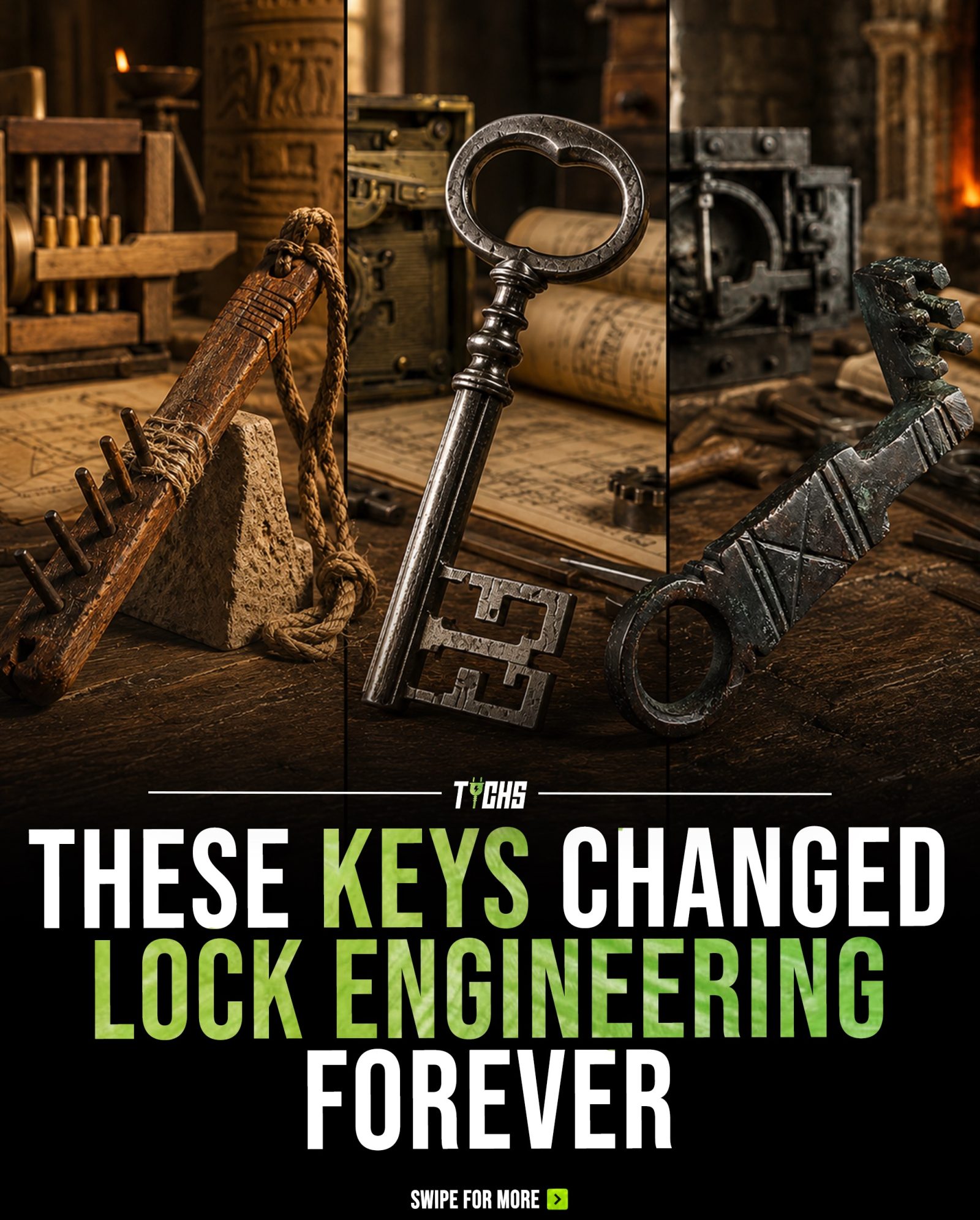
Lock Engineering History
Keys have been integral to human security since ancient times. From the earliest pin tumbler mechanisms to modern innovations, each key design has pushed the boundaries of lock technology, influencing how we protect our homes, businesses, and valuables today. This exploration delves into the history of key engineering, highlighting revolutionary designs and their enduring impact on security systems.
Context / Why This Matters
Understanding the evolution of key engineering provides insight into the sophisticated mechanisms that safeguard our world. These designs, ranging from ancient civilizations to contemporary innovations, have laid the groundwork for modern security systems. By examining key milestones in lock technology, we can appreciate the ingenuity behind everyday security measures.
Main Discussion
Ancient Egyptian Pin Key
One of the earliest known key mechanisms is the Ancient Egyptian pin key, dating back nearly 4,000 years. This design introduced the pin tumbler mechanism, which remains a fundamental concept in modern locks. The pin tumbler system uses a series of pins that align precisely when the correct key is inserted, allowing the lock to open. This principle has been refined over centuries but retains its core functionality in today's security devices. The simplicity and effectiveness of this design underscore its enduring influence on lock engineering.
Roman Warded and Barron Lever Keys
As civilizations advanced, so did their locking mechanisms. Roman warded keys were an early innovation that improved anti-tampering features. These keys had intricate cutouts that matched specific wards within the lock, making it difficult for unauthorized keys to operate the mechanism. Barron lever keys took this a step further by incorporating levers that required precise alignment to open the lock. These designs enhanced precision locking and set the stage for more complex mechanical systems.
Bramah Lock Key
The Bramah Lock, invented by Joseph Bramah in the late 18th century, revolutionized lock security. It introduced a lever mechanism that required each lever to be lifted to a specific height to unlock the device. This design made it exceptionally difficult to pick, setting a new standard for mechanical security. The Bramah Lock Key's complexity and reliability made it a cornerstone of modern lock engineering, influencing subsequent innovations in the field.
Chubb Detector Key
The Chubb Detector Lock, developed by Jeremiah Chubb in the early 19th century, further advanced lock security with its detector mechanism. This lock included a feature that indicated if someone had attempted to tamper with it, adding an extra layer of security. The Chubb Detector Key's design ensured that any unauthorized access attempts were immediately detectable, making it a preferred choice for high-security applications. This innovation remains relevant, as many modern locks incorporate similar detection mechanisms.
Yale Pin-Tumbler Key
The Yale Pin-Tumbler Key, developed by Linus Yale Jr. in the mid-19th century, became a blueprint for modern lock mechanisms. Its precise pin-alignment system ensured that only the correct key could align the pins and open the lock. This design was so effective that it became the standard for residential and commercial locks worldwide. The Yale name is synonymous with reliability and security, and its pin-tumbler mechanism continues to be a key component in contemporary lock systems.
Chinese Double Maze Key
The Chinese Double Maze Key showcases the intricate craftsmanship and ingenuity of ancient Chinese locksmiths. This key features a double maze mechanism, where the key must navigate two separate pathways to unlock the device. The complexity of this design made it highly secure and difficult to replicate, reflecting the advanced mechanical knowledge of its creators. The Double Maze Key's intricate design remains a testament to the innovative spirit of ancient Chinese engineering.
Abloy Disc Key
The Abloy Disc Key, developed by Emil Henriksson in the early 20th century, introduced a novel approach to lock security. Instead of using pins, this key employs rotating discs that align to open the lock. This disc mechanism made it one of the most secure mechanical key systems, as it was virtually pick-proof. The Abloy Disc Key's unique design has had a lasting impact on the lock industry, inspiring modern innovations in mechanical and digital security.
Practical Tips
When considering key and lock systems for your home or business, it's essential to recognize the foundational principles that have shaped their development. Here are some practical tips to enhance your security:
-
Pin-Tumbler Locks: Opt for locks with a pin-tumbler mechanism, as they are reliable and widely used. Ensure the pins are of high quality to withstand wear and tear.
-
Anti-Tampering Features: Choose locks with built-in anti-tampering mechanisms, such as warded keys or lever locks, to deter unauthorized access.
-
Precision Crafting: Look for keys and locks that demonstrate precision crafting. High-quality materials and intricate designs are indicators of durability and security.
-
Detection Mechanisms: Consider locks with detection features, like the Chubb Detector Lock, to monitor and prevent unauthorized attempts.
-
Modern Innovations: Stay informed about the latest advancements in mechanical and digital security, incorporating features from the Abloy Disc Key or similar high-security designs.
Regular Maintenance
Regularly inspect and maintain your locks to ensure they function optimally. This includes lubricating moving parts, checking for wear and tear, and promptly replacing any damaged components. Keeping your locks in good condition enhances their lifespan and security.
Professional Locksmiths
Seek the advice of professional locksmiths when choosing or upgrading your lock systems. Their expertise can provide valuable guidance on the best options for your specific needs, whether for residential, commercial, or high-security applications.
Important Takeaways
-
Historical Significance: The evolution of key engineering highlights the enduring principles and innovations that shape modern security systems.
-
Foundational Concepts: Ancient and historical key designs, such as the pin-tumbler and lever mechanisms, remain integral to contemporary lock technology.
-
Innovative Designs: Revolutionary keys like the Bramah, Chubb, and Abloy designs have introduced groundbreaking security features that continue to influence modern locks.
-
Security Enhancements: Understanding the historical context of key engineering can inform practical choices in selecting and maintaining secure lock systems.
Conclusion
The journey of lock engineering is a testament to human ingenuity and the relentless pursuit of security. From the earliest pin tumbler mechanisms to the intricate designs of the Abloy Disc Key, each innovation has contributed to the evolution of physical protection. By appreciating the historical significance of these designs, we can better understand and enhance the security systems that safeguard our world today. Whether for home, business, or high-security applications, the principles and innovations of key engineering continue to shape the locks that protect our valuables and ensure our peace of mind.
Related deep dives
Similar reads based on topic and creator.




Recent articles
Fresh deep dives from the latest Reels we unpacked.




Comments
Be the first to comment.