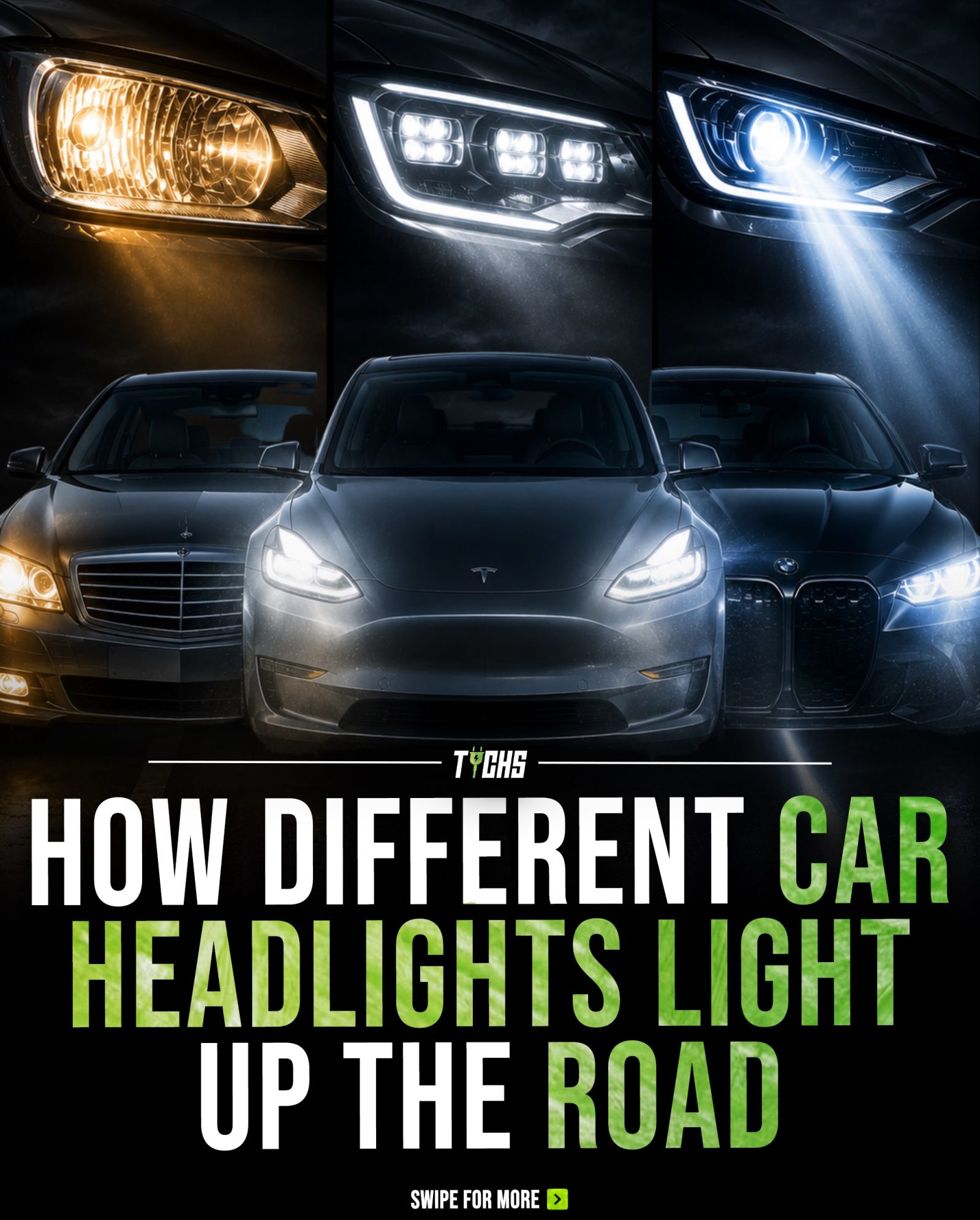
Car Headlights: Technology that Improves Night Driving
Car headlights illuminate the road ahead, making nighttime driving safer and more comfortable. The differences in technology among headlight types can significantly impact how far you can see, how well you spot hazards, and how energy-efficient the vehicle is. Let’s explore the evolution of car headlights, from classic halogen bulbs to advanced laser headlights.
Context
How Does this Matter to Drivers?
As vehicles get smarter, headlights are evolving into intelligent safety systems. They help drivers navigate nighttime conditions more safely and have become a critical technology for modern driving. Understand the distinctions between different types of headlights can help in choosing the right vehicle or upgrading current headlights for better performance.
The Evolution of Headlights
The journey from halogen bulbs to advanced laser headlights has significantly transformed automotive lighting, leading to better visibility, energy efficiency, precise control of illumination, and enhanced safety.
Types of Car Headlights
Halogen Headlights
Halogen headlights are the traditional choice for many vehicles. Utilizing a tungsten filament and a halogen gas to produce light, they provide good brightness and are cost-effective. However, they are less efficient than their more advanced counterparts and have a shorter lifespan. Halogen headlights are known for their warm, yellowish light, which can be less effective in low-visibility conditions.
Xenon Headlights
Xenon headlights, also known as High-Intensity Discharge (HID) headlights, use xenon gas to produce a brighter, whiter light. This results in improved nighttime visibility, which is crucial for spotting hazards and navigating dark roads. Xenon headlights offer a longer lifespan and better energy efficiency compared to halogen bulbs. They are a popular choice for luxury and high-end vehicles due to their superior performance.
LED Headlights
LED (Light Emitting Diode) headlights are the modern standard in automotive lighting. They are known for their efficiency, brightness, and long lifespan. LED headlights use less energy and generate less heat, contributing to better overall vehicle performance. Additionally, their precise control allows for more advanced lighting patterns, such as adaptive lighting that adjusts to driving conditions and road curves.
Laser Headlights
Laser headlights represent the cutting edge of automotive lighting technology. They use lasers to produce a highly focused and intense beam of light. This results in exceptional brightness and a longer illumination range, enhancing visibility in all nighttime conditions. Laser headlights are currently found in high-end vehicles and are expected to become more common as technology advances and costs decrease.
The Importance of Headlight Technology
Longer Illumination Range
Advances in headlight technology have led to a longer illumination range, allowing drivers to see further down the road. This is particularly important at high speeds, where a longer range can help drivers react faster to potential hazards.
Better Energy Efficiency
Modern headlights, such as LED and laser, are more energy-efficient than traditional halogen bulbs. This contributes to better fuel economy and reduced vehicle emissions, making them an eco-friendly choice.
Improved Visibility
Newer technologies offer improved visibility by producing brighter, more focused light. This helps drivers spot hazards more clearly, enhancing overall safety.
Precise Control
Advanced headlights, like LEDs and lasers, provide more precise control over where light is directed. This can include adaptive lighting systems that adjust to driving conditions, road curves, and oncoming traffic, further enhancing safety and comfort.
Enhanced Safety
Headlights have evolved into intelligent safety systems, helping drivers react faster and navigate safely in all kinds of nighttime conditions. They are now a critical component of modern vehicle safety features.
Adaptive Lighting
Adaptive lighting systems use sensors and cameras to adjust the direction and intensity of the headlights based on driving conditions. This can include curving with the road, adjusting for oncoming traffic, and enhancing visibility in poor weather conditions.
Matrix Lighting
Matrix lighting systems use multiple LEDs to create a highly adaptable beam of light. This allows for precise control over where light is directed, minimizing glare for oncoming drivers while maintaining optimal visibility for the driver.
Practical Tips
Choosing the Right Headlights
When selecting a vehicle or upgrading headlights, consider the following factors:
- Brightness and Visibility: Look for headlights that offer bright, focused light to enhance visibility at night.
- Energy Efficiency: Opt for energy-efficient options like LEDs to improve fuel economy and reduce emissions.
- Lifespan and Maintenance: Choose headlights with a longer lifespan to reduce the need for frequent replacements and maintenance.
- Safety Features: Consider advanced safety features like adaptive and matrix lighting systems for enhanced safety and comfort.
Maintaining Headlights
Regular maintenance of headlights is essential for optimal performance:
- Cleanliness: Keep headlights clean to ensure maximum light output. Regular cleaning can help maintain clarity and brightness.
- Alignment: Ensure headlights are properly aligned to avoid blinding oncoming drivers and to maximize visibility.
- Timely Replacement: Replace headlights when they show signs of wear or reduced performance. This ensures continuous, reliable illumination.
Driving Safely at Night
Driving safely at night involves more than just having good headlights. Follow these tips:
- Adjust Speed: Reduce speed at night to allow more time to react to potential hazards.
- Stay Alert: Be extra vigilant and avoid distractions to stay alert and responsive to changing conditions.
- Check Visibility: Ensure that your headlights are in good working order and that you can see clearly.
- Use Full Beams: Use full beams when driving on unlit roads, but remember to switch back to dipped beams when oncoming traffic or other road users are present. Remember to dim your lights when necessary to avoid blinding other drivers.
Important Takeaways
- Car headlights have evolved from simple halogen bulbs to advanced laser headlights, significantly improving visibility, energy efficiency, and safety.
- Different types of headlights, including halogen, xenon, LED, and laser, offer unique advantages in terms of brightness, lifespan, and energy efficiency.
- Modern headlights, such as LED and laser, provide better visibility, longer illumination range, and precise control over where light is directed.
- When choosing a vehicle or upgrading headlights, consider factors like brightness, energy efficiency, lifespan, and safety features.
- Regular maintenance and safe driving practices are essential for maximizing the benefits of advanced headlights and ensuring a safe nighttime driving experience.
Conclusion
Car headlights are a critical component of modern vehicles, evolving from basic illumination to intelligent safety systems. Understanding the differences between halogen, xenon, LED, and laser headlights can help drivers make informed decisions about their vehicles and driving safety. By choosing the right headlights and maintaining them properly, drivers can enjoy better visibility, energy efficiency, and overall safety on the road.
Questions readers ask
What are the main differences between halogen and xenon headlights?
Halogen headlights use a tungsten filament and produce a yellowish light, while xenon headlights use a gas discharge process to create a bright, white light. Xenon headlights typically offer better visibility and longer lifespan but are more expensive than halogen lights.
How do LED headlights compare to traditional halogen bulbs?
LED headlights outperform halogen bulbs in several ways. They provide brighter, more focused light, consume less energy, and have a much longer lifespan. LEDs also illuminate more quickly, enhancing safety during sudden maneuvers.
What advantages do laser headlights offer over other types?
LASER headlights produce an intense, blueish-white light, making them the brightest among all types, which provides superior visibility in the dark. They also offer precise beam control, reducing glare for oncoming drivers, though they are the most expensive and complex type.
Can headlights be upgraded, and if so, how?
Yes, headlights can often be upgraded. Depending on the vehicle, upgrades can range from replacing halogen bulbs with LED or xenon kits to installing entirely new headlight assemblies. It's essential to check compatibility and local regulations before performing any upgrades.
What factors influence the choice of headlight technology for a vehicle?
The choice of headlight technology depends on various factors, including cost, energy efficiency, lifespan, and the desired level of brightness and visibility. Additionally, the design and compatibility with the vehicle's aesthetics and electrical systems play a significant role.
Related deep dives
Similar reads based on topic and creator.




Recent articles
Fresh deep dives from the latest Reels we unpacked.




Comments
Be the first to comment.