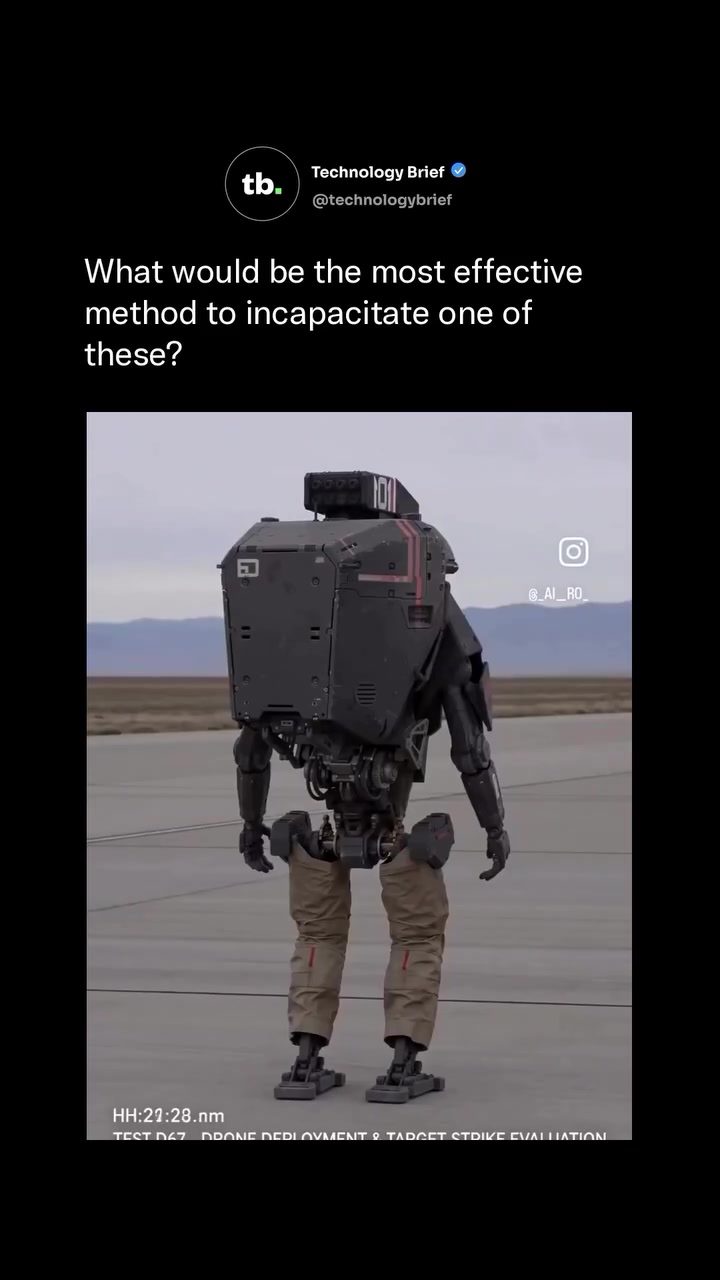
Robotic Soldiers in Modern Warfare
Combat robots are increasingly integrating into modern warfare, although not in the futuristic forms often depicted in science fiction. These robots are primarily drones, unmanned ground vehicles, robotic dogs, and remote weapons. They play crucial roles in scouting, carrying supplies, and engaging targets, all while minimizing the risk to human soldiers.
Context / Why this matters
Robotic soldiers have a significant impact on military operations, both in terms of their capabilities and the ethical questions they raise. As technology advances, these systems are becoming more accessible and capable, putting advanced military technology within reach of smaller countries and non-state actors. This shift is not just about the hardware; it's also about the autonomy and decision-making capabilities of these machines.
The real challenge lies in how much decision-making is handed over to these machines. A robot controlled by a human is one thing, but a system that can find, track, and engage a target autonomously is a different matter entirely. The rapid development of this technology is outpacing the creation of rules and regulations to govern it.
Main Discussion
The Role of Robotic Soldiers
Robotic soldiers, in various forms, are already a part of modern military operations. Drones, unmanned ground vehicles (UGVs), and robotic dogs are used extensively for surveillance, reconnaissance, and logistics. These robots can operate in environments that are too dangerous or inaccessible for human soldiers, providing critical intelligence and support without putting lives at risk.
For example, drones like the MQ-9 Reaper are commonly used for surveillance and targeted strikes. UGVs, such as the Mine Resistant Ambush Protected (MRAP) vehicles, are used for tasks like route clearance and bomb disposal. Robotic dogs, like those developed by Boston Dynamics, can scout ahead and gather information in hostile territories.
Technological Advancements
The ease with which these systems can be built and deployed is increasing rapidly. Advances in camera technology, sensors, AI software, and the availability of off-the-shelf parts mean that even relatively basic machines can be transformed into highly capable systems.
Better cameras and cheaper sensors enable more accurate tracking and recognition of targets. AI software allows for better decision-making and autonomy, enabling robots to operate with minimal human intervention. Off-the-shelf parts mean that even smaller countries and non-state actors can acquire and deploy these technologies, leveling the playing field in military capabilities.
For instance, the use of AI in robotic soldiers can enable them to make decisions in real-time based on the data they collect. This can include identifying enemy positions, determining the best routes for movement, and even making decisions about when to engage targets. This level of autonomy is a significant leap from earlier systems that required constant human oversight.
Ethical and Regulatory Challenges
As these technologies become more sophisticated and autonomous, ethical and regulatory challenges emerge. The question of how much decision-making should be handed over to machines is a critical one. A robot controlled by a human operator is one thing, but a system that can independently find, track, and engage a target raises significant ethical concerns.
For example, if a robotic soldier identifies a potential threat and decides to engage it without human intervention, who is responsible for the outcome? This question is particularly relevant in cases where the decision could result in loss of life. The technology is moving faster than the regulatory frameworks meant to control it, leaving a gap that needs to be addressed urgently.
Additionally, the use of robotic soldiers in warfare raises questions about accountability and transparency. Who is responsible when a robotic soldier causes collateral damage or engages a civilian by mistake? These are complex issues that require careful consideration and regulation.
Practical Tips
For Military Strategists
- Incorporate Ethical Guidelines: Develop and incorporate ethical guidelines for the use of robotic soldiers. These guidelines should address issues like accountability, transparency, and the use of lethal force.
- Training and Awareness: Ensure that military personnel are adequately trained in the use and limitations of robotic soldiers. This includes understanding the ethical implications and the potential risks.
- Regulatory Frameworks: Advocate for and develop regulatory frameworks that keep pace with technological advancements. This includes working with international bodies to establish global standards.
For Policy Makers
- Transparency: Promote transparency in the use of robotic soldiers. This includes making information about their capabilities, limitations, and operational use publicly available.
- Accountability: Establish clear accountability mechanisms for the use of robotic soldiers. This includes determining who is responsible for the actions of these machines and ensuring that there are consequences for misuse.
- Public Engagement: Engage with the public to build trust and understanding around the use of robotic soldiers. This includes addressing concerns and misconceptions about their capabilities and limitations.
Important Takeaways
- Rapid Technological Advancements: The capabilities of robotic soldiers are advancing rapidly, making them more accessible and capable.
- Ethical Considerations: As these systems become more autonomous, ethical considerations become increasingly important. Questions about decision-making, accountability, and transparency need to be addressed.
- Regulatory Challenges: The technology is moving faster than the regulatory frameworks meant to control it. Urgent action is needed to establish clear guidelines and standards.
- Global Implications: The use of robotic soldiers has global implications, affecting not just large defense budgets but also smaller countries and non-state actors.
Conclusion
The use of robotic soldiers in modern warfare is a rapidly evolving field with significant implications. While these systems offer numerous advantages in terms of capability and safety, they also raise critical ethical and regulatory challenges. As technology continues to advance, it is crucial to develop and implement frameworks that address these challenges and ensure the responsible use of robotic soldiers.
Questions readers ask
How do robotic soldiers enhance military operations in modern warfare?
Robotic soldiers, such as drones and unmanned ground vehicles, significantly enhance military operations by handling high-risk tasks like scouting, supply transport, and target engagement. This not only reduces the number of human soldiers exposed to danger but also allows for more efficient and precise execution of missions.
What are the primary types of robotic soldiers currently in use?
The primary types of robotic soldiers currently in use include drones, unmanned ground vehicles, robotic dogs, and remote weapons. These machines are designed to perform a variety of tasks, from reconnaissance to direct combat support, and are integral to modern military strategies.
What ethical concerns arise from the use of robotic soldiers in warfare?
The use of robotic soldiers raises several ethical concerns, including the potential for autonomous weapons to make life-or-death decisions without human oversight. Additionally, as these technologies become more accessible, there are worries about their use by non-state actors and the potential for misuse, which could significantly alter the landscape of conflict.
How are robotic soldiers being tested and evaluated for military use?
Robotic soldiers are tested and evaluated through rigorous military trials that assess their performance in realistic combat scenarios. These tests focus on factors such as reliability, effectiveness, and the ability to integrate with existing military systems. The results inform decisions about deployment and further development.
What is the role of drones in modern warfare and how are they used?
Drones play a crucial role in modern warfare by providing aerial surveillance, transmitting real-time intelligence, and in some cases, engaging targets independently. They are used for a variety of missions, including reconnaissance, targeting, and in some cases, direct combat, making them an essential tool for modern military operations.
How does the increasing accessibility of drone technology affect global conflict dynamics?
The increasing accessibility of drone technology means that advanced military capabilities are no longer limited to major powers. Smaller countries and non-state actors can now acquire and utilize these systems, changing the dynamics of global conflict by allowing for more autonomous and technology-driven warfare.
What future advancements can be expected in the development of robotic soldiers?
Future advancements in robotic soldiers are likely to focus on increased autonomy, improved AI integration, and enhanced sensor capabilities. These developments will enable more sophisticated decision-making, better situational awareness, and more effective mission execution, further transforming the nature of modern warfare.
Related deep dives
Similar reads based on topic and creator.




Recent articles
Fresh deep dives from the latest Reels we unpacked.




Comments
Be the first to comment.