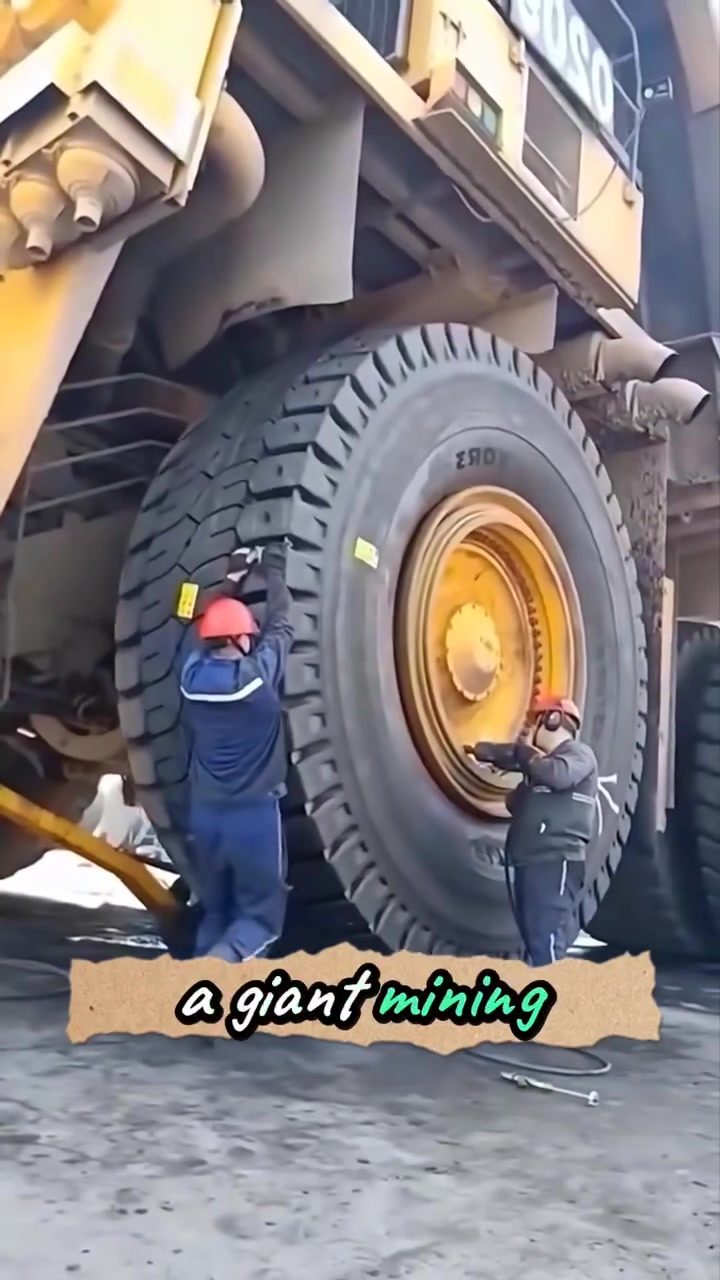
Giant Mining Truck Tires
Mining trucks are some of the heaviest and most robust vehicles on the planet, and their tires are equally impressive in size and strength. These tires can cost over $300,000 each, but they are designed to last and are rarely discarded. The true value of these tires lies not in the outer rubber but in the massive steel skeleton inside. This steel structure is often still strong even when the tread is worn out.
Why This Matters
Mining operations rely heavily on these tires for their durability and longevity. The harsh conditions of mining roads, filled with sharp rocks, take a toll on the tread, but the inner steel structure remains resilient. This means that when the tread wears out, the tire isn't useless. Instead, it can be renewed, making it a cost-effective solution for mining companies.
The Recycling Process
Grinding Away the Old Rubber
The process of renewing these tires begins with grinding away the old rubber completely. This step ensures that the tire is ready for the next phase of the renewal process. Specialized engineers handle this task, carefully removing the worn-out rubber to reveal the inner steel structure.
Applying New Raw Rubber
Once the old rubber is removed, the tire is covered with a fresh layer of special raw rubber. This isn't a simple patchwork or glue job. The new rubber is applied carefully to ensure that it bonds properly with the steel structure. This step is crucial for the tire's performance and longevity.
Vulcanization
The tire is then sent into a giant vulcanization chamber. Inside this chamber, the tire is subjected to extreme heat and pressure. This process allows the new rubber to chemically bond with the old tire, fusing together at the molecular level. The result is a tire that becomes a single solid piece again, as strong as a brand-new tire.
Testing and Deployment
Once the tire is renewed, it undergoes rigorous testing to ensure its performance meets the required standards. If it passes, the tire is ready to head straight back into the mine. The renewed tire can perform almost as well as a brand-new tire, but at a significantly lower cost. This makes the renewal process an attractive option for mining companies that use hundreds of tires every year.
Practical Tips
Maintenance and Inspection
Regular inspection and maintenance of mining truck tires are crucial. Engineers should inspect the tires for wear and tear, ensuring that the steel structure remains strong. By catching issues early, companies can extend the life of their tires and avoid costly replacements.
Choosing the Right Rubber
The type of rubber used in the renewal process is essential. Specialized raw rubber designed for mining conditions ensures that the tire can withstand the harsh environment. Companies should invest in high-quality rubber to maximize the benefits of tire renewal.
Investing in Technology
The technology used in the vulcanization process is critical. Advanced vulcanization chambers that can handle extreme heat and pressure ensure that the new rubber bonds effectively with the old tire. Companies should invest in the latest technology to improve the quality and longevity of their renewed tires.
Important Takeaways
- Cost-Effectiveness: Renewing mining truck tires is far more cost-effective than replacing them with new ones. The process can save mining companies tens of millions of dollars each year.
- Sustainability: Renewing tires helps reduce waste and lowers the environmental impact of mining operations. By extending the life of existing tires, companies can reduce their carbon footprint.
- Durability: The renewal process ensures that the tire's performance comes close to that of a brand-new tire, making it a reliable option for mining operations.
Conclusion
Mining truck tires are a significant investment, and their renewal process is a testament to human ingenuity and resourcefulness. By focusing on the inner steel structure and using advanced renewal techniques, mining companies can save millions of dollars and contribute to a more sustainable future. The next time you see a massive mining truck, remember that its tires are more than just rubber—they are a testament to durability, innovation, and cost-effectiveness.
Questions readers ask
How are massive mining truck tires designed to withstand harsh mining conditions?
Massive mining truck tires are designed with a robust steel skeleton inside, which provides the necessary strength and durability to endure the harsh conditions of mining roads. This design allows the tires to maintain their structural integrity even as the outer tread wears down.
What makes mining truck tires so expensive?
The high cost of mining truck tires, often exceeding $300,000 each, is due to their specialized design and the materials used. These tires are engineered with a strong steel structure and durable rubber, ensuring they can withstand extreme conditions and heavy loads, which drives up their price.
Can mining truck tires be recycled or renewed?
Yes, one of the key features of massive mining truck tires is their renewability. When the tread wears out, the tire can be renewed by adding new rubber to the steel structure, giving it a second life and making it a more sustainable option for mining operations.
What happens to the steel structure inside the tires when the tread is worn out?
The steel structure inside mining truck tires is designed to remain strong even when the tread is completely worn out. This means the tire can be taken out of service, and its steel skeleton can then be reused in a new tire, ensuring it's not wasted.
What are the benefits of renewing mining truck tires?
Renewing mining truck tires offers significant benefits, both economically and environmentally. It reduces the need for new tire production, which saves resources and lowers the cost of operation. Additionally, it minimizes waste and ensures the tires stay in use for a longer period, contributing to sustainability.
How do mining operations benefit from the renewability of these tires?
Mining operations benefit from the renewability of massive mining truck tires by reducing operational costs. Since these tires are designed to be renewed, it allows for a second life for these expensive tires, reducing the need for frequent replacements and lowering long-term expenses.
What is the process of renewing a mining truck tire?
The renewal process involves removing the worn-out tread and adding new rubber to the existing steel structure. This process is meticulously engineered to ensure the tire regains its original performance capabilities, allowing it to be used effectively once again in the harsh mining environment.
Related deep dives
Similar reads based on topic and creator.




Recent articles
Fresh deep dives from the latest Reels we unpacked.




Comments
Be the first to comment.