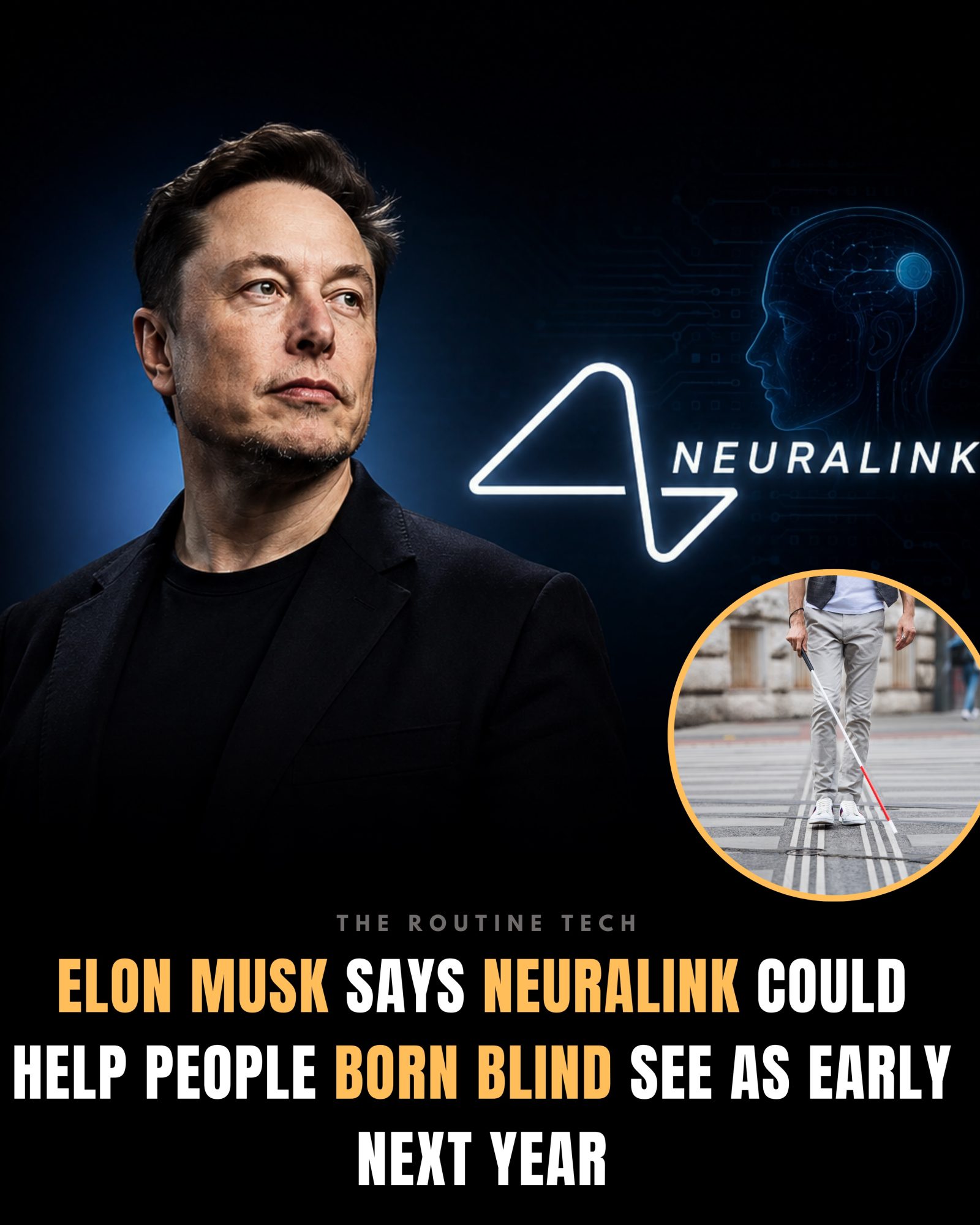
Neuralink's Blindsight Implant: A Glimpse into the Future
Neuralink, the cutting-edge technology company founded by Elon Musk, has set its sights on a revolutionary goal: restoring sight to individuals born blind. The company's experimental Blindsight implant aims to achieve this through its brain-computer interface technology.
Why This Matters
Brain-computer interfaces (BCIs) have the potential to transform the lives of people with severe disabilities by bridging the gap between the brain and external devices. Neuralink's ambitious project to help the blind see is a significant step in this direction, highlighting the potential of neurotechnology to address some of the most challenging medical conditions.
Understanding Neuralink's Blindsight Implant
The Technology Behind Blindsight
Neuralink's Blindsight implant is designed to interface directly with the brain, bypassing the visual system to send signals to the brain. The implant works by decoding visual information and transmitting it to the brain's visual cortex, effectively creating artificial vision. This process involves implanting a small device into the brain that contains thousands of tiny electrodes. These electrodes are designed to read and write neural signals, allowing the device to communicate with the brain.
How It Could Help People Born Blind
The potential impact of Blindsight is profound. For individuals born blind, the implant could provide a completely new way of perceiving the world. Instead of relying on external aids like canes or guide dogs, users could potentially receive visual information directly through their brain. This could enable them to navigate their environment more independently, recognize faces, and even enjoy visual art and media.
Potential Timelines and Challenges
According to Elon Musk, Neuralink aims to begin testing the Blindsight implant as early as next year. However, it's important to note that the technology is still under development and has not yet been proven in humans. The journey from experimental prototype to a widely available medical device is fraught with technical, regulatory, and ethical challenges. Neuralink will need to demonstrate the implant's safety, efficacy, and reliability in clinical trials, which could take several years.
Practical Tips for Staying Informed
For those interested in following the progress of Neuralink's Blindsight implant, here are some practical tips for staying informed:
Follow Neuralink's Official Channels
Neuralink regularly updates its official website and social media channels with the latest developments and news. Following these channels can provide direct access to announcements, research findings, and insights from the company's team.
Engage with the Neurotech Community
The neurotechnology community is vibrant and active, with many researchers, developers, and enthusiasts sharing their work and ideas online. Engaging with this community through forums, social media groups, and professional networks can offer valuable insights and perspectives on the latest advancements in BCIs and related technologies.
Attend Industry Conferences and Events
Conferences and events focused on neurotechnology, biomedicine, and related fields provide excellent opportunities to learn from experts, network with professionals, and stay updated on the latest research. Some of the notable events include the Neural Interface Conference, the Society for Neuroscience annual meeting, and the World Medical Innovation Forum.
Important Takeaways
Neuralink's Blindsight implant represents a groundbreaking advancement in brain-computer interface technology, with the potential to significantly improve the lives of people born blind. While the technology is still in its early stages, the progress made so far is promising. To fully understand and appreciate the implications of this technology, it's essential to stay informed about the latest developments, engage with the neurotech community, and attend relevant industry events.
Conclusion
The journey towards making the Blindsight implant a reality is an exciting and challenging one. As Neuralink continues to push the boundaries of what is possible with brain-computer interfaces, the world watches with anticipation. Whether or not the Blindsight implant becomes a widely available medical device, it serves as a powerful reminder of the transformative potential of neurotechnology. The quest to restore sight to those who have never seen it is not just a technical challenge but a testament to humanity's enduring quest to overcome its limitations.
Questions readers ask
What is the Blindsight implant and how does it work?
The Blindsight implant is a brain-computer interface developed by Neuralink. It works by translating visual information directly to the brain, bypassing the eyes and optic nerves. This technology aims to restore sight to individuals born blind by sending visual data to the brain's visual cortex.
How does Neuralink's approach differ from other visual impairment treatments?
Neuralink's approach differs from other treatments because it does not rely on repairing or replacing damaged eyes. Instead, it focuses on delivering visual information directly to the brain, making it a potential solution for individuals with severe visual impairments who may not benefit from traditional treatments.
What are the potential benefits of the Blindsight implant for users?
The Blindsight implant could offer users a new sense of independence and improved perception of the world. By providing a way to process visual information, the implant could enhance mobility, spatial awareness, and potentially even facial recognition.
What stage of development is the Blindsight implant currently in?
As of recent updates, the Blindsight implant is still in the experimental stages. Neuralink has been conducting trials and refining the technology to ensure safety and effectiveness before wider implementation.
How does the Blindsight implant translate visual information to the brain?
The Blindsight implant uses advanced algorithms and sensors to capture visual data. This data is then processed and transmitted to the brain's visual cortex via electrodes implanted in the brain, allowing the user to perceive visual information.
Who is a candidate for the Blindsight implant?
The Blindsight implant is primarily designed for individuals who were born blind or have severe visual impairments that cannot be corrected through traditional means, such as glasses or surgery. It is intended to provide a new pathway for visual perception.
What are the potential challenges and risks associated with the Blindsight implant?
Potential challenges and risks include the invasiveness of the surgical procedure required to implant the device, the need for precise calibration to ensure accurate visual perception, and the potential for complications such as infection or rejection of the implant. Additionally, long term effects and reliability of the device are still under investigation.
Related deep dives
Similar reads based on topic and creator.




Recent articles
Fresh deep dives from the latest Reels we unpacked.




Comments
Be the first to comment.