Electric Animals
Electricity is a fundamental force that powers our modern world, but it's not just humans who harness its power. Some of the most fascinating examples of electric generation are found in the animal kingdom. Animals like electric eels, electric catfish, and torpedo rays have evolved unique abilities to generate electricity for various purposes, from hunting to self-defense.
Why This Matters
Understanding how these animals generate and use electricity provides valuable insights into the natural world and can inspire innovations in technology and medicine. By studying these creatures, scientists can gain a deeper understanding of bioelectricity, which has applications in fields ranging from medicine to robotics.
Main Discussion
Electric Eels
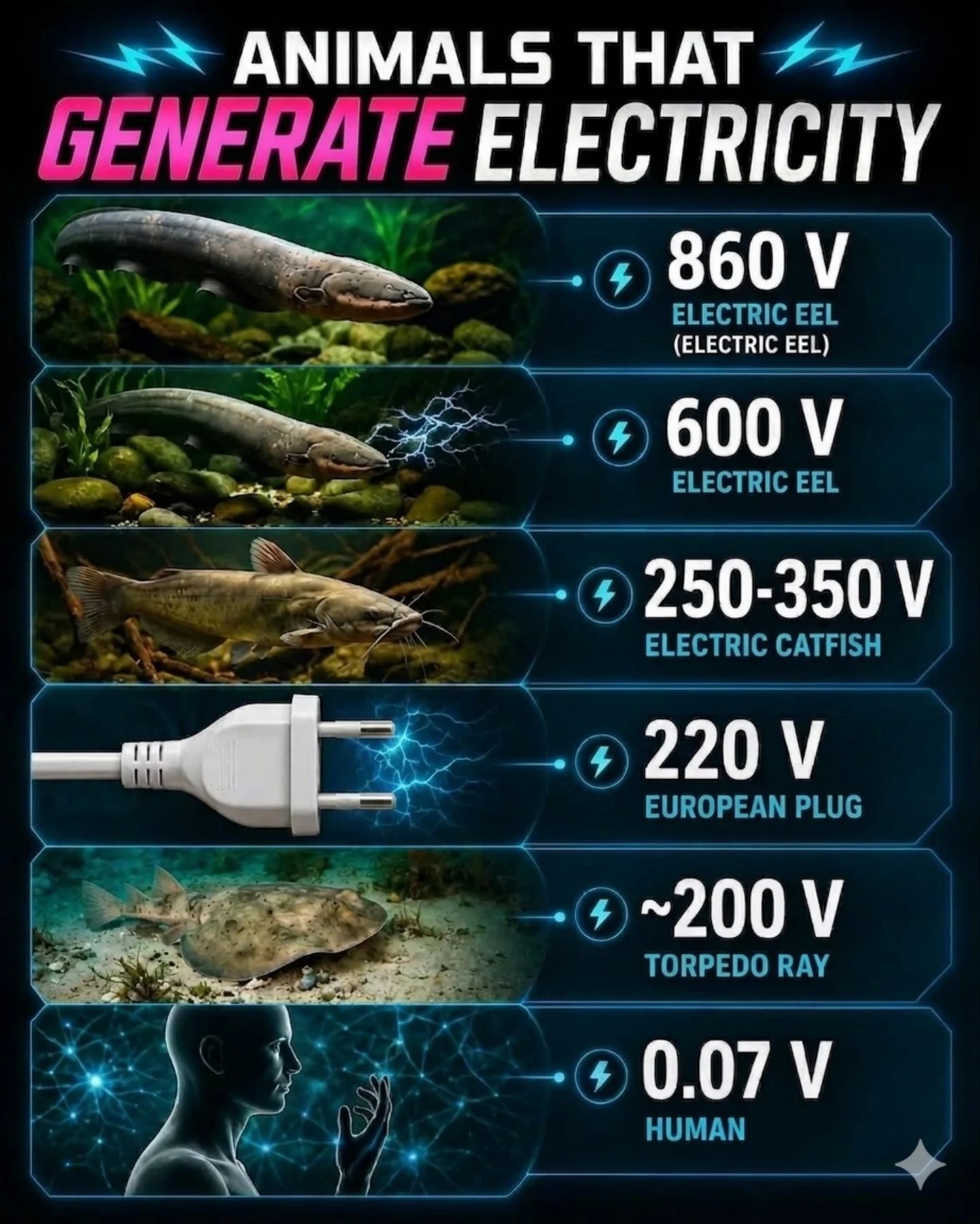
Electric eels are perhaps the most well-known electric animals. These creatures can generate incredibly high voltages. The electric eel can produce up to 860 volts, making it one of the most powerful electrical generators in the animal kingdom. This high voltage is used primarily for stunning prey and for self-defense. The electric eel's ability to generate such high voltage is a result of specialized cells called electrocytes, which are stacked in series to create a powerful electrical discharge.
Electric Catfish
Electric catfish, another member of the electric animal family, generate voltages ranging from 250 to 350 volts. This is still a significant amount of power, though not as high as that of the electric eel. Electric catfish use their electric capabilities to navigate and hunt in murky waters, where their electric fields can help them sense their surroundings and detect prey.
Torpedo Rays
Torpedo rays, also known as stargazers, are marine animals that can generate a substantial amount of electricity. These rays produce approximately 200 volts, which is powerful enough to stun their prey. The electric organ in torpedo rays is located on the sides of their bodies, and they use it to deliver powerful shocks, effectively immobilizing their targets.
Comparing Voltages
To put these voltages into perspective, consider a standard European plug, which operates at 220 volts. This is a common household voltage used for powering various appliances and devices. While this voltage is significant, it is still lower than what some of these electric animals can generate. Conversely, humans generate a very low voltage of 0.07 volts, a tiny fraction of what these animals can produce.
Human Comparisons
The difference in voltage generation between humans and these electric animals highlights the incredible adaptations that have evolved in the natural world. While humans rely on technology to harness and use electricity, these animals have developed biological mechanisms to generate it naturally. This comparison underscores the marvels of biological engineering and the diverse ways in which electricity is utilized in nature.
Practical Tips
Conservation and Research
Understanding the electrical capabilities of these animals is crucial for their conservation. Many of these species face threats from habitat destruction and pollution. By appreciating their unique abilities, we can better advocate for their protection and support research that aids in their conservation.
Technological Inspiration
The study of bioelectricity in these animals can inspire technological advancements. Researchers are exploring how the mechanisms used by electric animals could be applied to develop more efficient electrical systems, medical devices, and even robotics. For example, understanding the structure and function of electrocytes could lead to breakthroughs in bio-inspired energy storage and generation technologies.
Important Takeaways
Electric animals provide a captivating glimpse into the natural world's electrical capabilities. From the high-voltage discharges of electric eels to the navigational aids of electric catfish and torpedo rays, these creatures demonstrate the diverse ways in which electricity is harnessed in nature.
The Power of Bioelectricity
The study of bioelectricity in these animals can offer valuable insights into how electricity is generated and utilized in biological systems. This knowledge can be applied to develop more efficient and sustainable technologies, inspiring innovations in medicine, robotics, and energy production.
Conclusion
Electric animals represent a remarkable example of nature's ingenuity. Their ability to generate and harness electricity for various purposes highlights the incredible adaptations that have evolved over millions of years. By studying these creatures, we can gain a deeper understanding of the natural world and inspire new innovations in technology and science. This journey through the electric realm of animals underscores the vast and fascinating world of bioelectricity, inviting us to explore and appreciate the wonders of nature.
Questions readers ask
How do electric eels produce such high voltages?
Electric eels have specialized cells called electrocytes that work together like tiny batteries. These cells are stacked in series within their bodies, and when the eel needs to produce a shock, these cells discharge simultaneously, generating voltages up to 600 volts.
What do electric rays use their electric abilities for?
Torpedo rays, also known as electric rays, primarily use their electric abilities for hunting and self-defense. They can generate powerful 200-volt shocks to stun prey or deter predators. These shocks are strong enough to incapacitate small marine animals, making them easier to catch.
How does the electric catfish generate electricity?
The electric catfish, unlike the eel, has specialized muscles that can generate electric pulses. These muscles are modified to function like living batteries, which emit electrical signals that can be used both defensively and offensively.
What is the role of electricity in the lives of these animals?
Electricity plays a crucial role in the survival of these animals. It aids in hunting by stunning prey, provides a defense mechanism against predators, and in some cases, helps with navigation and communication. The electric eel, for instance, uses its electric pulses to sense its environment and locate food.
Can the electric shocks from these animals be harmful to humans?
Yes, the electric shocks from these animals can be harmful to humans. While the electric catfish and torpedo rays can deliver painful shocks that may cause temporary paralysis, the electric eel's shock can be lethal. It’s important to avoid contact with these animals in their natural habitats.
Are there any medical applications inspired by these electric animals?
Research on electric animals has led to advancements in medical fields. For example, studying the electric eel's nervous system has provided insights into neurological disorders. Additionally, bioelectricity research inspired by these animals is contributing to developments in prosthetics and implantable medical devices.
Related deep dives
Similar reads based on topic and creator.




Recent articles
Fresh deep dives from the latest Reels we unpacked.




Comments
Be the first to comment.