Kindness to Wildlife
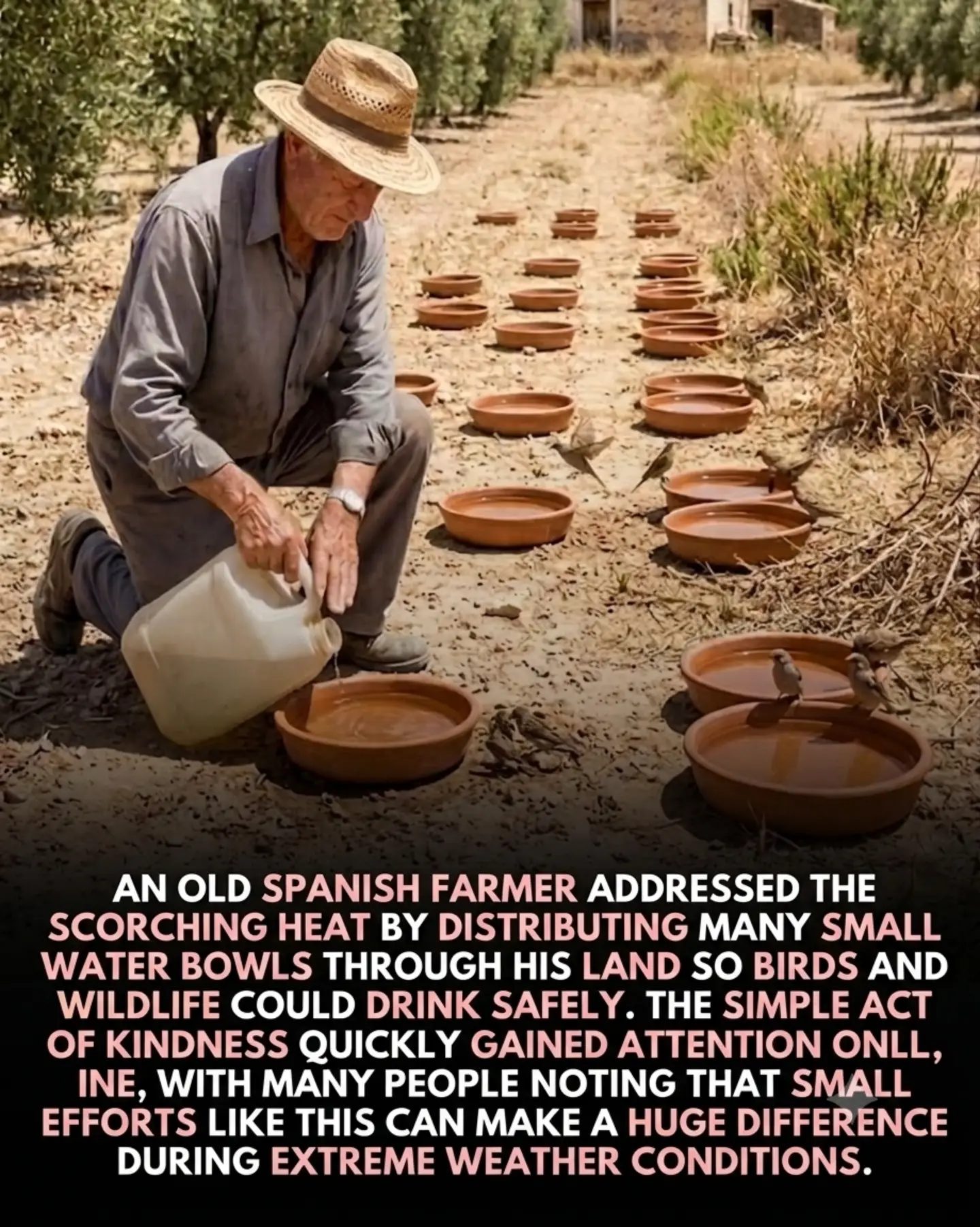
Providing water for wildlife during extreme heat is a practical way to support local ecosystems. An elderly Spanish farmer demonstrated this simple yet impactful act. During a severe heatwave, he distributed numerous shallow bowls of water across his dry, dusty land. This small effort aimed to offer birds and other wildlife access to safe drinking water. The act of kindness gained significant attention online. Many people noted that such small efforts can make a huge difference during extreme weather conditions.
Context / Why this Matters
Extreme weather conditions, such as heatwaves, can be devastating for wildlife. The availability of water becomes crucial for their survival. Birds, in particular, are highly susceptible to dehydration, which can lead to weakened immune systems and even death. By providing water sources, individuals can play a critical role in mitigating these risks and ensuring the well-being of local wildlife populations.
The Importance of Water for Wildlife
Understanding the Needs of Local Wildlife
Wildlife, especially in arid regions, heavily relies on available water sources. Birds, mammals, and reptiles all need water to survive. During heatwaves, natural water sources such as ponds, streams, and rivers can dry up, leaving wildlife in a critical situation. Providing supplemental water sources can be a lifesaver. Shallow bowls of water, strategically placed, can offer a much-needed respite from the scorching heat.
The Impact of Heatwaves on Wildlife
Heatwaves pose significant threats to wildlife. Prolonged exposure to high temperatures can lead to heat exhaustion and dehydration. For many species, the lack of water is a critical factor that can lead to further complications, such as reduced foraging efficiency and increased vulnerability to predators. This is particularly true for smaller animals and birds, which have higher metabolic rates and require more frequent hydration.
The elderly farmer's act of kindness not only provided immediate relief but also highlighted the broader importance of community involvement in wildlife conservation. Such small efforts can inspire others to take similar actions, amplifying the positive impact on the ecosystem.
The Role of Community Involvement
Creating a Wildlife-Friendly Environment
Community involvement is crucial in creating a wildlife-friendly environment. Simple acts of kindness, such as setting out water bowls, can make a significant difference. These acts are not just about providing water; they also foster a sense of responsibility and connection with the natural world among community members.
Inspiring Others to Act
The farmer's act of kindness gained attention online, inspiring many people to take similar steps in their own communities. This ripple effect can lead to a broader cultural shift towards greater environmental stewardship. When people see the positive impact of small actions, they are more likely to engage in conservation efforts.
Practical Steps for Community Engagement
- Identify Local Needs: Understand the specific needs of local wildlife. Different species may require different types of support.
- Distribute Water Sources: Place shallow bowls of water in shaded areas to prevent evaporation and ensure accessibility.
- Monitor and Maintain: Regularly check and refill water sources to ensure they remain useful to wildlife.
- Educate Others: Share your actions and the positive outcomes with friends, family, and community groups to inspire others to do the same.
Practical Tips
Setting Up Water Sources
- Choose the Right Containers: Use shallow bowls or dishes that are easy for birds and small animals to access.
- Location Matters: Place the water sources in shaded areas to reduce evaporation and keep the water cooler.
- Cleanliness: Ensure that the water sources are clean and free from contaminants. Change the water regularly to prevent the growth of bacteria and algae.
- Visibility: Place water sources in visible locations so that wildlife can easily spot them. Avoid placing them in areas where predators might lurk.
Maintaining Water Sources
- Regular Checks: Inspect the water sources daily, especially during heatwaves, to ensure they are filled and clean.
- Refill Frequently: Keep water sources topped up to ensure a continuous supply.
- Seasonal Adjustments: Adjust the placement and frequency of refills based on seasonal changes and weather conditions.
Important Takeaways
The Power of Small Actions
Small acts of kindness can have a significant impact on the well-being of wildlife. Providing water during extreme heat is a concrete example of how individual efforts can make a difference. These actions not only support local ecosystems but also inspire others to engage in similar activities.
The Importance of Community Involvement
Community involvement is essential in creating a wildlife-friendly environment. When individuals come together to support local wildlife, the collective impact can be substantial. Sharing stories and experiences can motivate others to take action and create a ripple effect of positive change.
Long-term Benefits
The long-term benefits of providing water for wildlife are numerous. By ensuring that wildlife has access to safe drinking water, individuals can help maintain healthy ecosystems, support biodiversity, and contribute to the overall well-being of their communities. These actions also foster a deeper connection with nature and promote environmental stewardship.
Conclusion
The act of providing water for wildlife during extreme weather conditions is a practical and meaningful way to support local ecosystems. An elderly Spanish farmer demonstrated how small, thoughtful actions can make a significant difference. By placing shallow bowls of water across his land, he not only aided the survival of birds and other animals but also inspired others to take similar initiatives.
Through community involvement and continuous efforts, we can create a wildlife-friendly environment that benefits both the local ecosystem and the human community. Small acts of kindness, when multiplied, can lead to a lasting positive impact on the natural world.
Questions readers ask
Why is providing water for wildlife during heatwaves so important?
Wildlife, particularly birds, are highly susceptible to dehydration during extreme heat. Water bowls can offer a lifesaving resource during heatwaves. This small act ensures their survival and helps maintain local ecosystems. Drinking water is essential for cooling down and maintaining hydration, which is crucial for survival and normal functioning.
How did the elderly Spanish farmer's kindness to wildlife go viral?
The Spanish farmer's kindness captured public attention when people saw the strategic placement of water bowls across his dry land. The images and stories spread rapidly online, highlighting the impact of small acts of kindness. Many people shared their admiration for the farmer's simple yet effective method of supporting wildlife during extreme weather.
What specific steps did the elderly Spanish farmer take to help wildlife?
The elderly Spanish farmer placed numerous shallow bowls of water across his dry, dusty land. By strategically distributing water bowls, he provided safe and accessible drinking water for birds and other wildlife. This ensured that even the smallest creatures could find relief during the heatwave.
What is the significance of the strategic placement of water bowls for wildlife?
Strategic placement of water bowls ensures that wildlife can easily access drinking water. This is particularly important during heatwaves, when finding water can be a challenge. Placing water bowls in accessible areas helps mitigate risks for wildlife during extreme weather events.
How can small acts of kindness, like distributing water bowls, make a difference during extreme weather conditions?
Small acts of kindness, like distributing water bowls, can make a huge difference during extreme weather conditions. They provide essential resources that wildlife need to survive. These acts demonstrate how even minor efforts can significantly impact local ecosystems during challenging times.
What kinds of animals benefit from water bowls placed by the farmer?
The water bowls placed by the farmer primarily benefit birds, which are highly susceptible to dehydration during heatwaves. However, other wildlife, such as small mammals and insects, also rely on these water sources for hydration and cooling. Providing water for these animals helps sustain biodiversity in local ecosystems
Related deep dives
Similar reads based on topic and creator.




Recent articles
Fresh deep dives from the latest Reels we unpacked.




Comments
Be the first to comment.