Eggplant Health Benefits
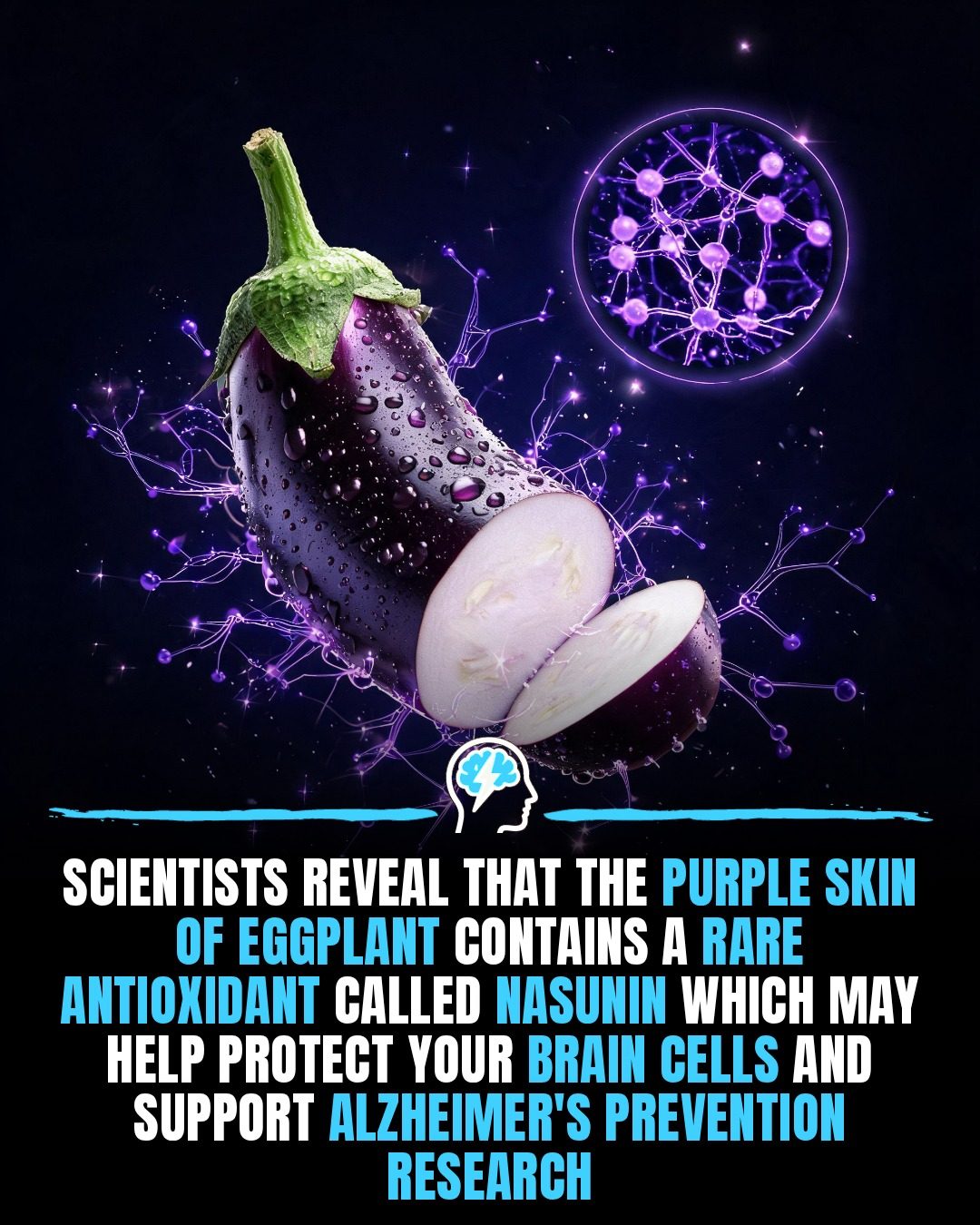
Eggplant is a versatile vegetable known for its unique taste and texture, but its health benefits often go unnoticed. The deep purple skin of eggplant contains nasunin, a rare antioxidant with potential advantages for brain health that are becoming well known.
Why This Matters
The health benefits of eggplant are far more significant than just adding variety to your diet. By understanding the science behind nasunin, we can appreciate how this humble vegetable can play a role in maintaining and enhancing brain function, particularly in the context of preventative health measures.
Benefits of Eggplant
The Science Behind Nasunin
Nasunin is a potent antioxidant found almost exclusively in the skin of eggplants. Its primary function is to protect the fatty acids in brain cell membranes, which act as gatekeepers, regulating the flow of nutrients in and waste out. This protection helps maintain the integrity of brain cells, ensuring they function optimally and resist premature aging.
Nasunin achieves this through several mechanisms:
- Chelates Iron: It efficiently binds to iron, helping to regulate iron levels and prevent oxidative stress.
- Neutralizes Free Radicals: Nasunin scavenges and neutralizes free radicals, which are unstable molecules that can damage cells if left unchecked.
- Prevents Fat Oxidation: It stops fats in the nervous system from oxidizing, which can otherwise lead to cellular damage.
- Improves Blood Flow: Nasunin supports better blood circulation to brain tissue, ensuring that brain cells receive the oxygen and nutrients they need.
- Reduces Inflammation: It helps to reduce chronic inflammation, which can exacerbate various health issues, including cognitive decline.
Nasunin and Cognitive Decline
Studies on neurodegenerative diseases continually highlight the potential of eggplant extracts in preventing Alzheimer's disease. Oxidative damage is a significant contributor to memory loss associated with aging, and nasunin provides a natural defense mechanism against this damage. By integrating eggplant into your diet, you may be giving your brain a natural boost in its defense against cognitive decline.
Practical Tips
To maximize the benefits of nasunin, it’s essential to keep the peel on when cooking eggplant. The flesh of the eggplant contains very little nasunin compared to the skin, so removing the peel means losing out on this antioxidant. Grilled, roasted, or baked eggplant with the skin on retains its full potential.
Cooking with Eggplant
Incorporating eggplant into your diet can be both delicious and nutritious. Here are a few ways to enjoy eggplant while retaining its health benefits:
- Grilled Eggplant: Slice the eggplant into rounds, brush with olive oil, and grill until tender. This method not only enhances the flavor but also keeps the skin intact.
- Roasted Eggplant: Cut the eggplant into cubes or wedges, toss with olive oil and your choice of seasoning, and roast in the oven until soft and slightly charred.
- Baked Eggplant: Cut the eggplant in half lengthwise, scoop out the flesh, and bake until tender. You can then fill it with your favorite stuffing or use it as a base for a savory dish.
Maximizing Beneficial Components
To further enhance the health benefits of eggplant, consider pairing it with other nutrient-rich foods. For example:
- Tossed in Salads: Combine grilled or roasted eggplant slices with leafy greens, cherry tomatoes, and a light vinaigrette for a hearty salad.
- As a Side Dish: Serve roasted or baked eggplant alongside lean proteins like chicken or fish, along with a side of quinoa or brown rice.
- In Stovetop Dishes: Stir-fry eggplant with colorful vegetables and a bit of garlic and ginger for a flavorful and nutritious meal.
Important Takeaways
The health benefits of eggplant are primarily attributed to nasunin, a rare antioxidant found in the vegetable's purple skin. This antioxidant plays a crucial role in protecting brain cells and maintaining their functionality, which can have significant implications for cognitive health. By incorporating eggplant into your diet and keeping the skin on, you can harness the potential benefits of nasunin for your overall health and well-being.
Conclusion
Eggplant offers more than just culinary versatility; it possesses powerful health benefits thanks to the antioxidant nasunin. This compound, found predominantly in the eggplant's skin, helps protect brain cells and may play a role in preventing cognitive decline. By understanding and utilizing these benefits, you can enhance your diet to support better brain health and overall well-being.
Questions readers ask
What makes nasunin in eggplant beneficial for brain health?
Nasunin is a potent antioxidant that helps protect brain cells by regulating iron levels, neutralizing harmful free radicals, and enhancing blood flow to the brain. This can aid in maintaining cognitive function and promoting overall brain health.
Can eating eggplant help prevent Alzheimer's disease?
While eggplant alone cannot prevent Alzheimer's disease, its high concentration of nasunin and other antioxidants may contribute to reducing oxidative stress in the brain, a key factor in Alzheimer's progression. Incorporating eggplant into a balanced diet could support brain health and potentially lower the risk of cognitive decline.
Is it necessary to eat the skin of the eggplant to gain its brain health benefits?
Yes. Nasunin is predominantly found in the deep purple skin of eggplants. To maximize the brain health benefits, it's recommended to eat the eggplant skin.
How does nasunin in eggplant compare to other antioxidants for brain health?
Nasunin is unique because it is particularly effective at crossing the blood-brain barrier and protecting brain cells. While many antioxidants support overall health, nasunin's specific role in brain cell membrane protection and iron regulation sets it apart in promoting mental acuity.
What are some creative ways to incorporate eggplant into my diet for brain health?
To reap the brain health benefits of eggplant, consider dishes like baked eggplant parmesan, eggplant stir-fries, or even eggplant dips like baba ganoush. Roasting the eggplant with the skin on ensures that you get the maximum amount of nasunin.
Can nasunin in eggplant help with aging-related brain health issues?
The antioxidant properties of nasunin may help mitigate some aging-related brain health issues by reducing oxidative stress and inflammation. Regular consumption of eggplant, as part of a well-rounded diet, could support cognitive function and potentially slow down age-related cognitive decline.
Are there any studies supporting the brain health benefits of nasunin in eggplant?
Several studies have shown that nasunin has neuroprotective properties, including its ability to neutralize free radicals and improve iron metabolism in the brain. Research has also indicated that nasunin can enhance learning and memory in animal models, suggesting promising benefits for human brain health.
Related deep dives
Similar reads based on topic and creator.



Recent articles
Fresh deep dives from the latest Reels we unpacked.




Comments
Be the first to comment.