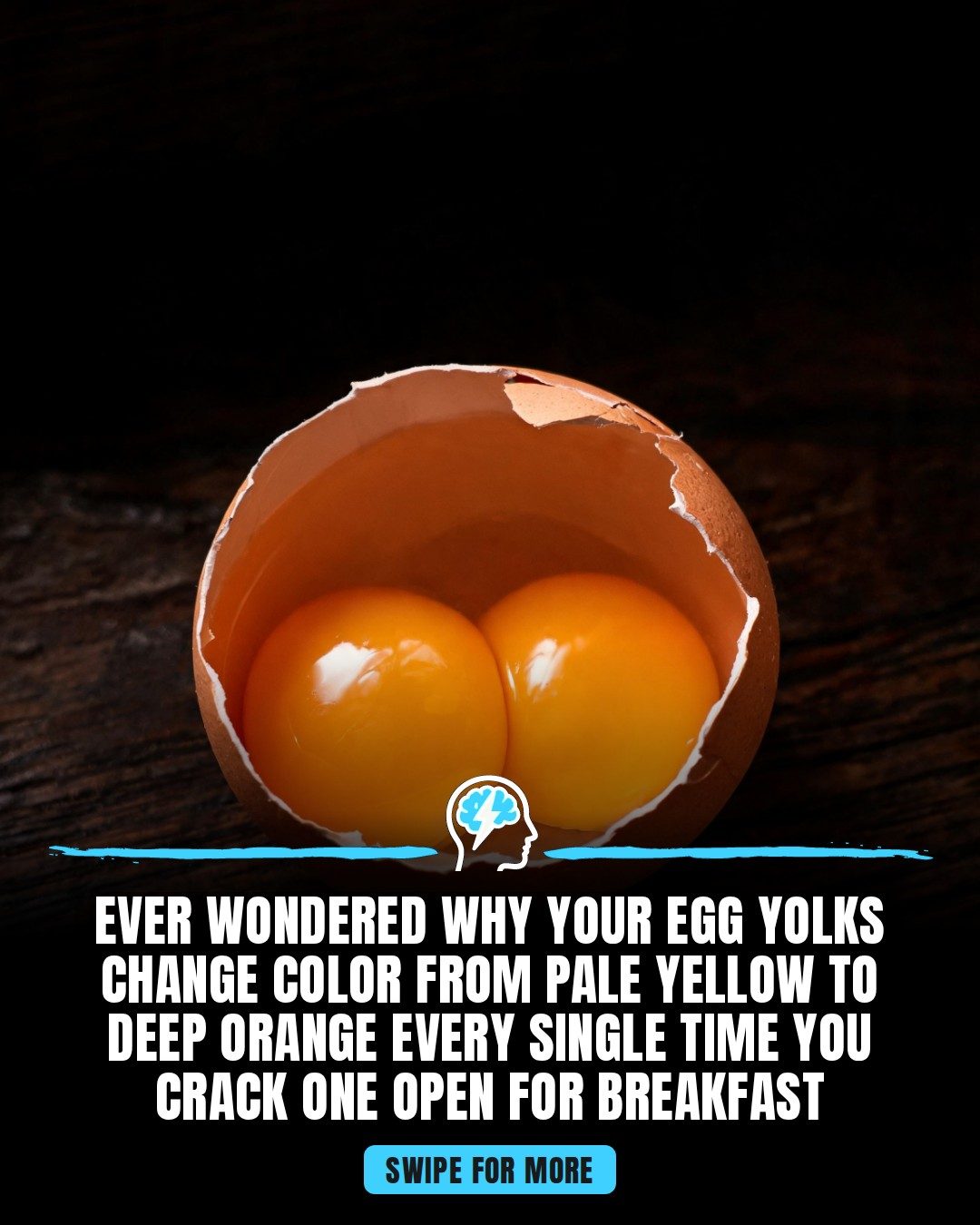
Egg Yolk Colors Explained
Eggs are a staple in many kitchens, but the color of the yolk can vary greatly from one egg to the next. This variation often sparks curiosity and sometimes concern among home cooks. The mystery of egg yolk color is actually quite simple and largely determined by the hen's diet, which impacts the pigmentation of the yolk.
Why This Matters
Understanding why egg yolks change color is important for a few reasons. Firstly, it helps dispel any myths or misconceptions about the quality or nutritional value of eggs based on yolk color. Secondly, it provides insight into the dietary practices of hens, which can be an indicator of their overall health and the quality of their eggs. Lastly, it can enhance the culinary experience, as different yolk colors might be preferred for various recipes.
Egg Yolks and Hen Diet
Egg yolk color is primarily influenced by the hen's diet. Hens that consume foods rich in xanthophylls, a type of pigment found in yellow and orange plants, will produce eggs with deeper, more vibrant yolks. Food sources that contribute to this effect include:
- Leafy Greens and Alfalfa: These plants are high in lutein and zeaxanthin, which are types of xanthophylls.
- Marigold Petals and Yellow Corn: These are often added to hen feed to enhance yolk color naturally.
- Purple and Red Foods: Some hens can be fed purplish and reddish vegetables like carrots, which can give a more orange/yellow hue.
On the other hand, hens that consume a diet high in grains like wheat or barley will produce eggs with paler, almost pale-yellow yolks. This is because grains contain fewer pigments that can enrich the yolk's color.
The Role of Pigments
Pigments like lutein and zeaxanthin are responsible for the yellow and orange hues in egg yolks. These pigments are found in plants and are absorbed by hens, which then deposit them in the yolk. The richness of the color depends on the concentration of these pigments in the hen's diet. It's important to note that the nutritional value of the egg remains largely the same regardless of the yolk's color.
Detailed Look Inside an Egg
The Chalaza
Inside an egg, you might notice a white, stringy bit. This is known as the chalaza. It serves as an anchor, holding the yolk in place within the egg white. While it may look unusual, the chalaza is a normal part of the egg's structure and does not affect the egg's quality or taste.
Blood Spots
Occasionally, a tiny red spot may be visible on the yolk. This is typically a broken blood vessel within the yolk. These spots are generally harmless and do not indicate that the egg is spoiled. The presence of a blood spot is more of an aesthetic issue rather than a sign of bad quality.
Double Yolks
Finding a double yolk in an egg is a somewhat rare but natural occurrence. This happens when a hen releases two yolks close together, and both are encased in a single shell. Double yolks are most common in younger hens that are just starting to lay eggs or in older hens that are nearing the end of their laying years. Both yolks are the same in terms of nutritional value, and the only difference is that you get more yolk for your breakfast!
Practical Tips for Egg-Handling
When it comes to handling and cooking eggs, knowing a few tips can enhance your experience:
Storing and Using Eggs
Eggs should be stored in the refrigerator to maintain freshness. The temperature in the fridge helps to slow down the growth of bacteria. Always check the "best by" date on the carton and avoid using eggs that are past this date. When you crack an egg, give it a quick sniff to check for any off odors, which can indicate spoilage.
Preparing Eggs
When cooking, the color of the yolk will not affect the taste or texture. You can use any egg, regardless of yolk color, in your favorite recipes. Whether you're making omelettes, scrambled eggs, or baking, the nutritional value remains consistent.
Important Takeaways
- Egg Yolk Color: The color of the yolk is determined by the hen's diet, specifically the presence of xanthophylls in their food. Darker yolks come from hens eating pigment-rich diets, while paler yolks come from hens eating grain-heavy diets.
- Nutritional Value: Regardless of color, all eggs have similar nutritional value.
- Inside the Egg: The chalaza is a normal part of the egg, and blood spots are generally harmless.
- Double Yolks: These are a rare but natural occurrence and do not affect the egg's quality.
Useful Tips
- Enhance Yolk Color: If you prefer darker yolks, consider purchasing eggs from hens that are fed a diet rich in xanthophylls.
- Check Egg Freshness: Always store eggs in the refrigerator and check for any off odors before using.
- Cooking Versatility: Use eggs of any color in your cooking, as the color does not affect taste or texture.
Conclusion
Cracking open an egg can be an exciting experience, and understanding the different shades of yolks can enhance your appreciation for this versatile food. By knowing what causes the color variations and recognizing normal features like the chalaza and blood spots, you can enjoy your eggs with confidence. Whether you prefer pale yellow or deep orange yolks, the nutritional benefits remain the same, making eggs a valuable addition to any diet.
Questions readers ask
Why do egg yolks come in different colors?
Egg yolks vary in color due to the hen's diet. The pigments in the food the hen eats, such as carotenoids found in plants like marigolds, alfalfa, and certain grains, are deposited in the yolk, influencing its color. This can result in shades ranging from pale yellow to vibrant orange.
Do darker yolk colors indicate better quality or nutrition?
The color of the yolk does not necessarily indicate better quality or nutrition. The nutritional content of an egg is determined by many factors, including the hen's overall diet and health, not just the color of the yolk.
What causes an orange yolk in eggs?
Orange yolks are typically the result of a hen's diet rich in carotenoid pigments. These pigments are often found in ingredients like yellow corn, alfalfa, and marigold petals, which are commonly included in chicken feed to enhance yolk color naturally.
Can the color of an egg yolk change over time?
No, the color of an egg yolk does not change over time. The color is determined at the time the egg is laid and remains consistent. However, the color can appear different if the egg is cooked, as heat can alter the appearance of the yolk.
Does the color of the hen's feathers affect the yolk color?
No, the color of the hen's feathers does not affect the yolk color. The yolk color is solely determined by the hen's diet and the pigments present in the food she consumes, not by her physical characteristics like feather color.
What are the best eggs to buy based on yolk color?
The best eggs to buy should be based on your personal preference, cooking needs, and the hen's overall diet, rather than the yolk color. If you prefer a more vibrant yolk, you might look for farm fresh eggs from hens that have been fed a diet rich in natural pigments like yellow corn and leafy greens.
Recent articles
Fresh deep dives from the latest Reels we unpacked.




Comments
Be the first to comment.