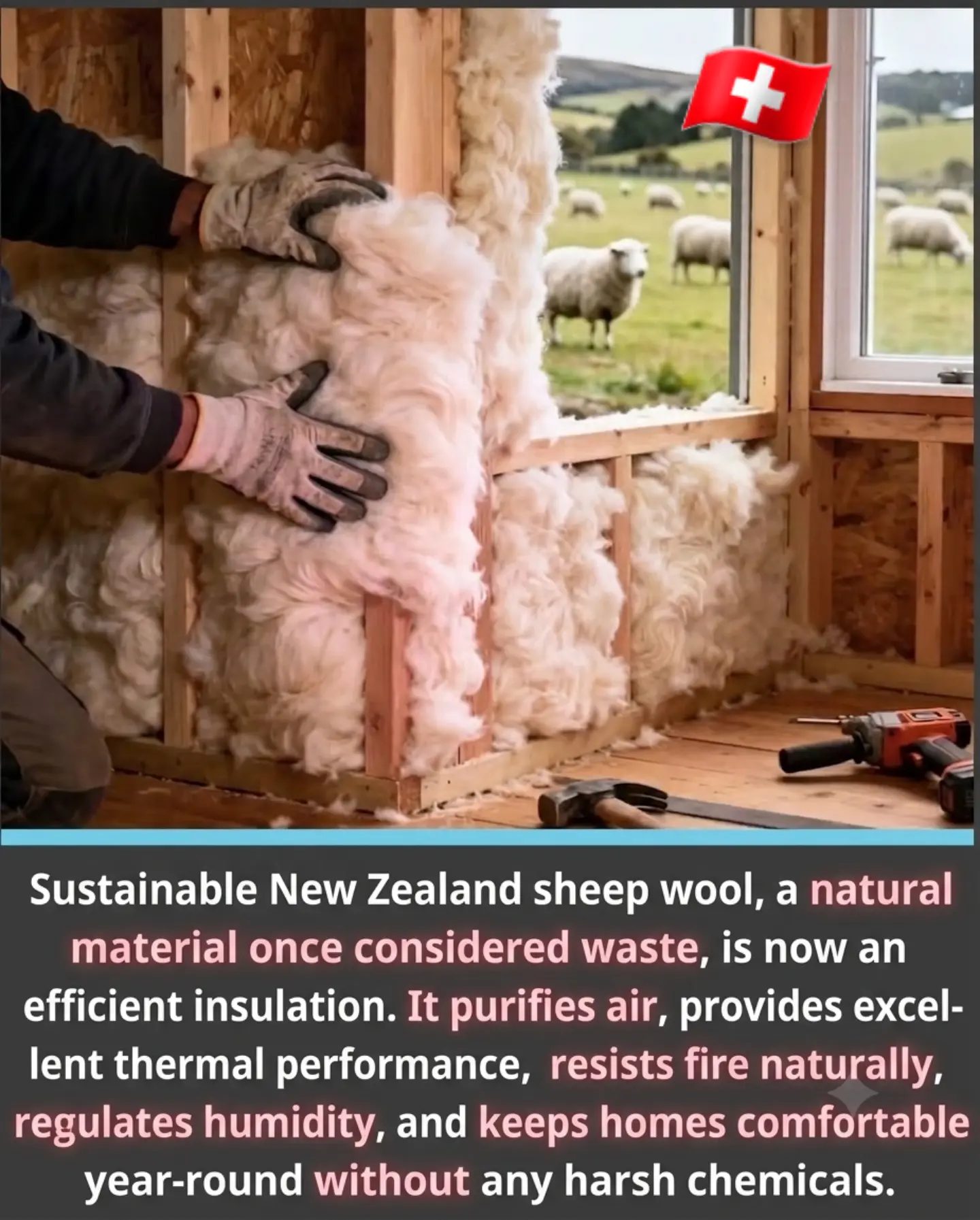
New Zealand Sheep Wool: A Sustainable Insulation Solution
For those seeking to improve their home’s comfort and sustainability, New Zealand sheep wool insulation offers a remarkable solution. Once deemed a waste product by farmers, this material is now celebrated for its numerous eco-friendly benefits. Let's explore why sheep wool insulation has become a popular choice for environmentally conscious homeowners.
Why This Matters
As consumers become more aware of the environmental impact of their choices, there is a growing demand for sustainable building materials. Sheep wool insulation is a prime example of how natural materials can offer both comfort and environmental benefits, making it a valuable addition to any sustainable home.
The Benefits of Sheep Wool Insulation
Natural and Sustainable
New Zealand sheep wool is a sustainable material that has seen a transformation from being considered waste to becoming a premium, eco-friendly building material. This transition is a testament to the growing awareness and innovation in sustainable living.
Air Purification
One of the standout benefits of sheep wool insulation is its ability to purify the air. The natural fibers in wool can absorb and neutralize harmful pollutants, allergens, and odors, contributing to a healthier indoor environment. This feature is particularly beneficial for individuals with respiratory issues or allergies, as it helps maintain clean and fresh air within the home.
Fire Resistance
Sheep wool is naturally fire-resistant. This property makes it a safer choice for insulation compared to synthetic materials, which often require chemical treatments to achieve fire resistance. The wool's natural resistance to fire can provide an additional layer of safety for your home.
Humidity Regulation
Humidity regulation is another key benefit of sheep wool insulation. It can absorb and release moisture as needed, helping to prevent the buildup of excess moisture that can lead to mold and mildew. This property contributes to a more comfortable living environment by maintaining optimal humidity levels.
Thermal Performance
The thermal performance of sheep wool insulation is excellent. It provides superior insulation properties, keeping homes warm in the winter and cool in the summer. This efficiency can lead to significant energy savings, as your heating and cooling systems won't need to work as hard to maintain a comfortable temperature.
Chemical-Free
One of the most compelling reasons to choose sheep wool insulation is its chemical-free nature. Unlike many synthetic insulation materials, sheep wool does not contain any harsh chemicals or irritants, making it a healthier choice for both your family and the environment. This absence of chemicals also means that the wool will not emit harmful gases or fumes, contributing to a cleaner indoor air quality.
Practical Tips for Using Sheep Wool Insulation
Installation
Sheep wool insulation is relatively easy to install and can be used in various areas of the home, including walls, ceilings, and attics. It is often available in rolls, batts, or loose-fill form, making it versatile for different insulation needs. Professional installation is recommended to ensure proper placement and optimal performance.
Cost Considerations
While sheep wool insulation may have a higher upfront cost compared to synthetic materials, the long-term benefits and energy savings can make it a cost-effective investment. It’s important to consider the overall value it brings to your home, including improved air quality, energy efficiency, and environmental sustainability.
Maintenance
Sheep wool insulation requires minimal maintenance. However, it’s essential to ensure that the insulation remains dry and free from pests. Regular inspections and addressing any moisture issues promptly can help maintain the wool's performance and longevity.
Important Takeaways
Sheep wool insulation offers a unique combination of sustainability, comfort, and safety. Its ability to purify air, regulate humidity, and resist fire naturally make it an excellent choice for eco-friendly homes. Additionally, its thermal performance and lack of harsh chemicals contribute to a healthier and more comfortable living environment.
Conclusion
In summary, New Zealand sheep wool insulation is a superior choice for those looking to enhance their home's sustainability and comfort. With its natural properties and numerous benefits, it stands out as a top contender in the market for eco-friendly building materials. By choosing sheep wool insulation, you're not only improving your living space but also contributing to a healthier planet.
Questions readers ask
What makes New Zealand sheep wool insulation an eco-friendly choice?
New Zealand sheep wool insulation is eco-friendly because it is a natural, renewable resource. Additionally, it has a lower environmental impact compared to synthetic insulation materials. Furthermore, it reduces waste through repurposing a byproduct of the farming industry.
How does sheep wool insulation purify the air in a home?
Sheep wool insulation has natural air purifying properties. It can absorb and neutralize common pollutants, odors, and even harmful toxins. It can also help maintain a healthy indoor environment by regulating humidity.
Is sheep wool insulation fire resistant?
Yes, sheep wool insulation is naturally fire resistant. It has a high ignition point and does not melt or drip, which helps to slow the spread of fire. This makes it a safe choice for insulation in homes and buildings.
How does sheep wool insulation help regulate humidity in a home?
Sheep wool insulation can absorb and release moisture, helping to control humidity levels in a home. This makes the living space more comfortable and helps prevent issues like mold and mildew growth, which can be caused by excess moisture.
What are the benefits of using sheep wool insulation in a green home?
Sheep wool insulation provides numerous benefits for a green home, including reducing energy consumption, regulating temperature, purifying air, and resisting fire. Additionally, it is an organic and sustainable insulation material.
How does sheep wool insulation compare to other types of insulation in terms of comfort?
Sheep wool insulation offers superior comfort compared to other insulation types. It has a natural ability to regulate temperature and humidity, and it feels soft to the touch. This makes it an ideal choice for those seeking a cozy and comfortable living environment.
Can sheep wool insulation help reduce energy consumption in a home?
Yes, sheep wool insulation can help reduce energy consumption. Its natural insulating properties make it an effective material for maintaining a consistent indoor temperature, which can lead to a reduction in heating and cooling costs. It also helps reduce the carbon footprint of a home by reducing energy use.
Related deep dives
Similar reads based on topic and creator.



Recent articles
Fresh deep dives from the latest Reels we unpacked.




Comments
Be the first to comment.